Understanding the Basics of Structural Steel Installation
What is Structural Steel Installation?
Structural steel installation is the process of assembling steel components to create a robust framework for buildings, bridges, and other structures. This task involves various techniques and standards to ensure safety, durability, and compliance with building codes. Effective structural steel installation not only supports the structural integrity but also enhances the aesthetic appeal of the design.
Importance of Structural Steel in Construction
Structural steel plays a critical role in modern construction. Its properties – such as high strength-to-weight ratio, recyclability, and versatility – make it a preferred choice among engineers and architects. Steel structures can withstand significant loads, making them suitable for tall buildings and large span constructions. Additionally, the rapid assembly of steel components allows for faster project completion, contributing to cost savings and efficient project timelines.
Key Components and Materials Used
The primary materials involved in structural steel installation include steel beams, columns, braces, and purlins. Beams typically support vertical loads, while columns transfer these loads down to the foundations. Braces are used to stabilize and add rigidity to the structure, and purlins provide support for roofing materials. Additionally, various connections, such as bolts and welds, are employed to ensure that these components function cohesively.
Planning for Structural Steel Installation Success
Site Preparation and Safety Protocols
Before commencing any structural steel installation project, proper site preparation is vital. This includes clearing the area, ensuring soil stability, and marking the layout according to engineering specifications. Safety protocols must be established, including risk assessments, worker training, and the use of personal protective equipment (PPE) to mitigate potential hazards.
Obtaining Necessary Permits and Approvals
Acquiring the right permits is crucial for complying with local regulations. These may include zoning permits, building permits, and safety inspections. Coordination with local authorities helps streamline the process, ensuring that the project adheres to codes and safety requirements.
Creating a Detailed Installation Plan
A comprehensive installation plan is essential for guiding the project. This plan should outline timelines, resources, key milestones, and the roles of team members involved in the structural steel installation. It will serve as a roadmap, helping prevent delays and ensuring that the installation adheres to quality control standards.
Step-by-Step Guide to Structural Steel Installation
Pre-Erection Tasks and Considerations
Prior to the erection of steel structures, several key tasks must be completed. First, all materials should be delivered and inspected for quality. Second, any site modifications must be finalized, and utility lines should be marked. The installation team should conduct a meeting to review the plan and ensure that every member understands their specific responsibilities and safety measures.
Executing Column and Beam Installation
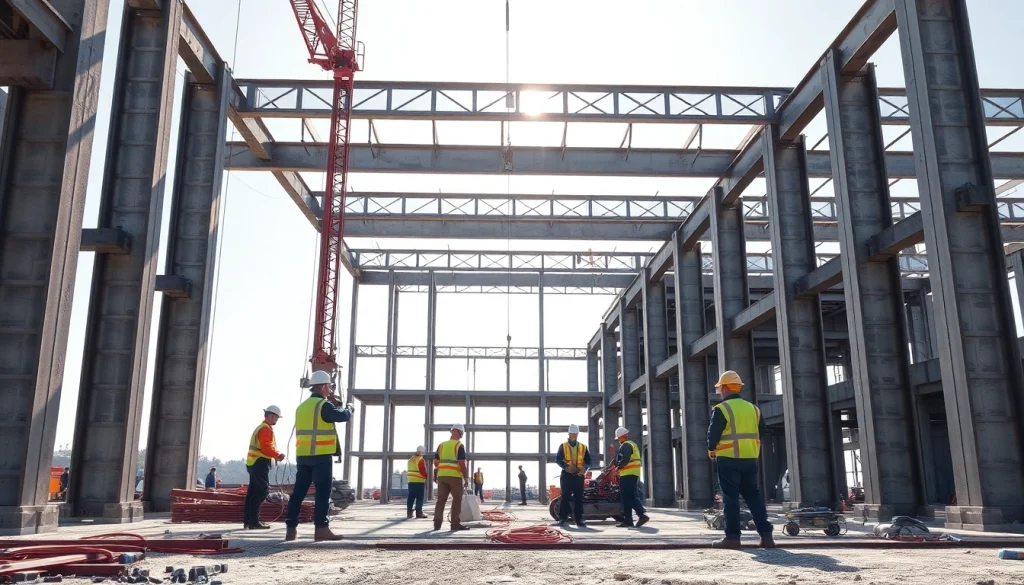
Once pre-erection tasks are completed, the installation of columns and beams begins. Columns are typically erected first, as they provide the primary vertical support. Cranes and hoists are used to position the columns accurately. Bolting or welding is then performed to secure them in place. Following the column installation, beams are attached to create the framework. Ensuring proper alignment and verticality at this stage is crucial for the overall stability of the structure.
Calibrating and Aligning Steel Frames
After the assembly of the initial framework, it’s vital to calibrate and align the entire structure accurately. This involves checking diagonal measurements and making necessary adjustments. Precision tools, such as laser levels and digital inclinometers, can greatly enhance accuracy during this process, thereby ensuring that the structure will bear loads correctly.
Common Challenges in Structural Steel Installation
Handling Weather Conditions and Delays
Construction projects are often subject to delays due to adverse weather conditions. Rain, strong winds, or extreme temperatures can hinder site activity. To mitigate these issues, it’s essential to monitor weather forecasts and have contingency plans, such as temporary enclosures or adjustments to the work schedule to maintain project momentum.
Ensuring Safety Measures are Followed
Maintaining a culture of safety is paramount during structural steel installation. This includes conducting hazard assessments, holding regular safety meetings, and ensuring that all workers are equipped with PPE. Compliance with federal safety standards, such as those set forth by OSHA, is non-negotiable to protect personnel from accidents and injuries on site.
Addressing Structural Issues and Adjustments
Structural issues can arise during installation due to various factors such as material defects or miscalculations. Quick identification and rectification of these issues are essential. Having a competent structural engineer available on-site can facilitate rapid adjustments and ensure continued adherence to engineering specifications.
Best Practices for Effective Structural Steel Installation
Adopting Quality Control Measures
Implementing robust quality control measures throughout the installation process can significantly reduce errors. This includes meticulous inspection of all materials before installation, regular checks during the process, and post-installation assessments to verify that all components meet industry standards and specifications.
Utilizing Advanced Technology and Equipment
The construction industry benefits from the integration of advanced technology. Tools such as Building Information Modeling (BIM) allow for enhanced visualization of the project before and during construction. Additionally, using modern equipment, such as drones for site inspections or computer-aided design software for precise planning, can lead to increased efficiency and accuracy in installation.
Training the Workforce for Optimal Performance
Equipping the workforce with the necessary skills through training programs can improve overall performance in structural steel installation projects. Training should encompass both technical skills and safety awareness. Continuous education opportunities can help workers stay current with industry best practices and safety regulations, leading to enhanced job proficiency and efficiency.
Frequently Asked Questions
How is structural steel installed?
Structural steel is installed by assembling steel components into a frame on-site, using bolting or welding to connect them securely.
What is the first step in steel structure installation?
The first step involves site preparation, ensuring that all materials and necessary equipment are ready for effective installation.
What safety measures are required during steel installation?
Implementing safety measures includes using proper gear, conducting regular audits, and ensuring that the work area is well-marked and secure during installation.
How long does a typical structural steel installation take?
Typical project durations can range from weeks to several months, depending on the complexity and size of the steel installation.
What tools are essential for structural steel installation?
Essential tools include cranes, hoists, wrenches, and safety equipment. Specialized tools like laser levels can improve installation precision.