
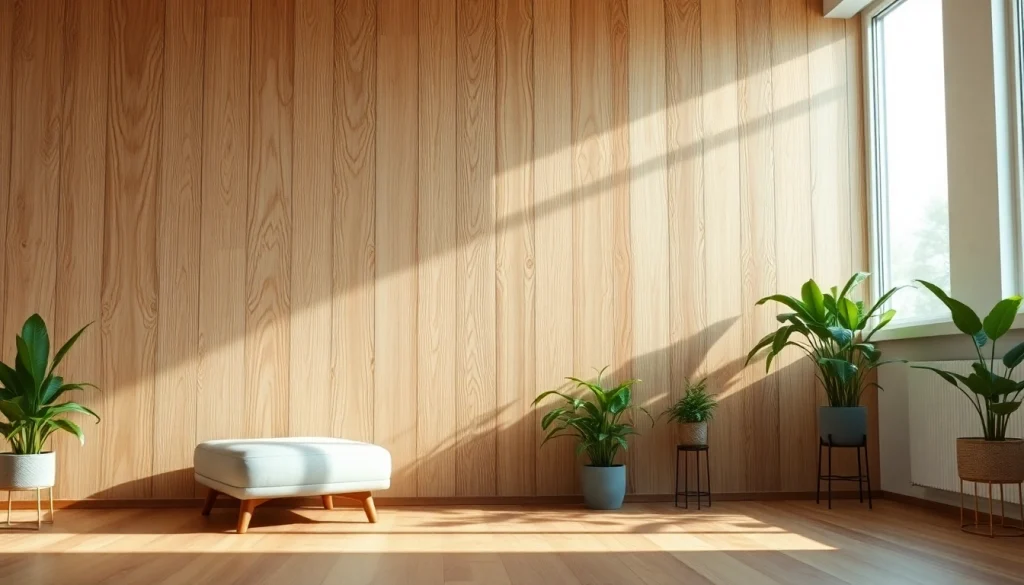
Introduction to Wood Wall Design
Wood walls have become a prominent interior design trend, bringing warmth and texture to various spaces. They serve not only as decorative elements but also offer functional benefits that enhance the ambiance of any room. The versatility of wood wall applications allows homeowners to create stunning atmospheres that align with their personal style. Whether it’s in the living room, bedroom, or even a home office, a wood wall adds a unique touch that can elevate your home’s aesthetic. In this article, we will explore the benefits, types, and finishes of wood walls, as well as practical DIY projects, maintenance tips, and design inspirations.
Understanding Wood Wall Benefits
Wood walls offer numerous advantages that can dramatically improve a space. Firstly, they provide natural insulation, reducing energy bills while enhancing comfort. Additionally, wood possesses sound-absorbing qualities, contributing to a quieter environment by minimizing echo and noise pollution. Aesthetically, a wood wall can become a statement feature in any room, adding character and depth. The organic look of wood brings a sense of nature indoors, promoting relaxation and well-being.
Types of Wood Used in Wall Applications
When considering a wood wall, the type of wood selected can make a significant difference in both appearance and functionality. Common choices for wood walls include:
- Hardwoods: Species such as oak and maple provide durability and a rich aesthetic, making them ideal for high-traffic areas.
- Softwoods: Options like pine and cedar are lighter and easier to work with, perfect for DIY projects.
- Reclaimed Wood: Utilizing salvaged wood not only adds character but is also an eco-friendly alternative that tells a story.
- Bamboo: This sustainable option is gaining popularity for its unique look and environmentally friendly properties.
Choosing the Right Finish for Wood Wall
The finish you choose for your wood wall can dramatically impact its look and longevity. Common options include:
- Stain: Enhances the natural grain of the wood while adding color and protection.
- Sealant: Provides a clear barrier against moisture and wear, preserving the wood’s appearance over time.
- Paint: Offers unlimited color options but may cover the natural beauty of the wood grain.
- Varnish: Adds a glossy finish that can highlight the wood’s character while protecting it from damage.
Incorporating Wood Wall in Home Décor
Integrating a wood wall into your home décor can transform any space. Here are some design ideas for various rooms:
Living Room Aesthetic with Wood Wall
In living rooms, wood walls can serve as stunning focal points. Pairing a wood wall with complementary furniture and decor creates a balanced, warm atmosphere. Consider a wall-mounted fireplace or built-in bookshelves against the wood backdrop to enhance the rustic charm. Accent lighting can also highlight the textures of the wood, creating a cozy ambiance in the evenings.
Creating a Bedroom Retreat with Wood Wall
Bedrooms deserve tranquility, and a wood wall can provide just that. Whether it’s behind the bed as a headboard or an entire accent wall, wood creates a serene environment. Opt for softer wood tones like pine or cedar to promote relaxation. Incorporate soft textiles and minimalistic décor to maintain a peaceful aesthetic.
Wood Wall Ideas for Home Offices
A wood wall can greatly enhance productivity in a home office. It adds an element of nature that can reduce stress and improve focus. Choose a reclaimed wood wall for a rustic vibe, or paint the wood in soothing colors for a more contemporary feel. Ensure adequate lighting is in place, as it can enhance the beauty of the wood while allowing for a functional workspace.
DIY Wood Wall Projects
For those who enjoy hands-on projects, creating a wood wall can be a fulfilling endeavor. Here’s how to get started:
Materials Needed for DIY Wood Wall
Before diving into your DIY project, gather the following materials:
- Wood planks (chosen type and size)
- Nails or screws
- Hammer or drill
- Saw (if cutting is necessary)
- Measuring tape
- Level
- Varnish or stain (optional)
Step-by-Step Guide to Install Wood Wall
The installation process can be straightforward if you follow these steps:
- Measure your wall to determine how many planks you’ll need.
- Cut the wood planks to size if necessary.
- Beginning from the floor, attach the first plank using nails or screws, ensuring it is level.
- Continue attaching planks, staggering joints for added visual interest.
- Once all planks are attached, apply the desired finish to protect the wood.
Common Mistakes to Avoid When Building Wood Wall
To ensure a successful installation, be aware of common pitfalls:
- Inaccurate measurements can lead to misaligned planks.
- Skipping the leveling step may result in a crooked appearance.
- Neglecting to seal or finish the wood can cause damage over time.
Maintaining Your Wood Wall
To keep your wood wall looking fresh and last for years, proper maintenance is essential.
Cleaning Techniques for Longevity
Regular cleaning helps maintain the beauty of your wood wall. Use a soft cloth to dust the surface, and for deeper cleaning, mix a mild soap with water. Avoid using harsh chemicals that could damage the finish.
Repair Tips for Damaged Wood Wall
Wear and tear is common, but repairs can often be managed easily. For scratches, sand the area lightly and apply a matching finish. For larger damages, consider replacing the affected plank.
Protecting Wood Wall from Moisture
Moisture can be detrimental to wood. Ensure proper ventilation in areas like bathrooms and kitchens. Additionally, using a high-quality sealant can prevent moisture damage and mold growth.
FAQs about Wood Wall Design
What are the advantages of using a wood wall?
Wood walls add warmth, texture, and can improve acoustics. They create a focal point in any room, enhancing overall aesthetics.
Can I install a wood wall by myself?
Yes, with the right tools and a detailed guide, DIY installation is achievable for most homeowners interested in enhancing their space.
What types of wood are best for wall applications?
Popular choices include oak, pine, cedar, and reclaimed wood, each offering unique aesthetics and benefits tailored to various design preferences.
How do I clean and maintain my wood wall?
Use a damp cloth to dust and avoid harsh chemicals. Regular conditioning can keep it looking fresh and extend its longevity.
Is wood wall suitable for humid areas?
While it’s possible, use proper sealing and maintain ventilation to prevent moisture damage. Choosing resistant wood types can enhance durability.