
Understanding Structural Steel Installation
What is Structural Steel Installation?
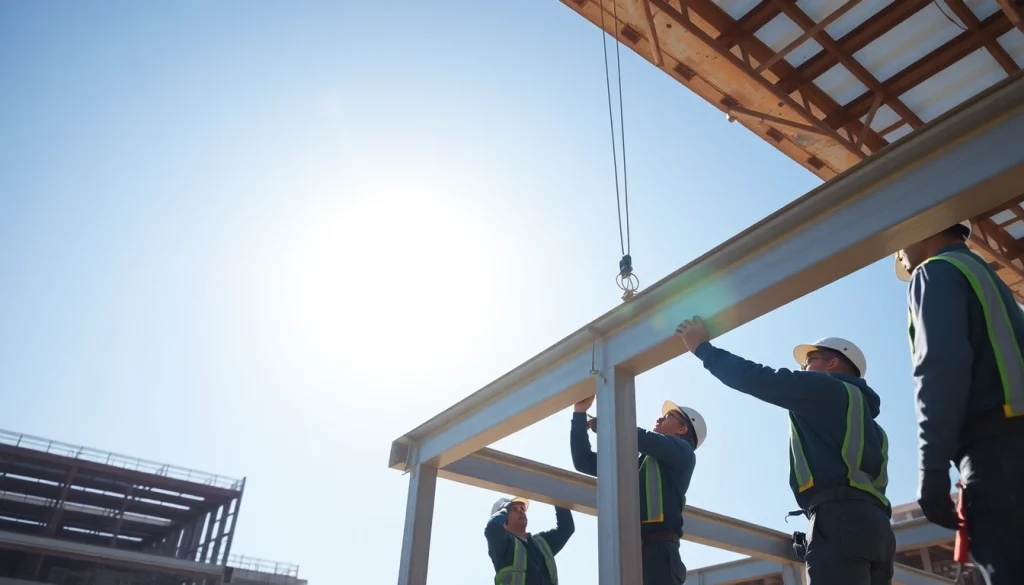
Structural steel installation refers to the process of putting together structural steel frameworks used in the construction of buildings, bridges, and other infrastructures. This involves handling steel beams, columns, and other components to create a sturdy skeleton that supports the weight and provides stability to the structure. Properly executed structural steel installation is critical for the overall safety and durability of a construction project.
Importance of Structural Steel in Construction
Structural steel is vital in modern construction due to its high strength, versatility, and durability. It can withstand extreme loads, making it ideal for high-rise buildings and heavy infrastructure projects. Unlike wood, steel is resistant to rot, pests, and fire, resulting in lower maintenance costs over a building’s lifespan. Moreover, steel allows for intricate designs and quicker construction timelines, providing significant advantages over traditional materials.
Key Components of Steel Structures
- Beams: Horizontal members that carry loads and transfer them to columns.
- Columns: Vertical supports that bear the weight of beams and the structure above.
- Braces: Diagonal members added to provide stability and resist lateral forces.
- Joists: Supporting frameworks for flooring systems, ensuring even load distribution.
- Decking: Material placed on top of joists to create the floor surface.
Planning for Successful Steel Installation
Design and Engineering Considerations
The success of structural steel installation begins with thorough design and engineering planning. Architects and engineers must seize opportunities in design to optimize the strength-to-weight ratio of the structure. Advanced computer modeling software such as BIM (Building Information Modeling) plays a crucial role in simulating how the structure will behave under various loads, allowing for more informed decision-making.
Site Preparation Steps
Before installation can commence, proper site preparation is essential. This includes:
- Clearing the Site: Remove debris, vegetation, and any obstructions.
- Grading: Ensure the ground is level to provide a stable foundation.
- Establishing Reference Points: Set benchmarks to guide the installation accuracy.
- Foundation Work: Pour concrete footings that comply with the engineering specifications.
Essential Tools and Equipment
Successful structural steel installation requires specific tools and equipment, including:
- Cranes: Essential for lifting and precisely placing heavy steel components.
- Welding Machines: Used for joining steel pieces together.
- Torquing Tools: Ensures bolts are fastened to specified tension levels.
- Measuring Instruments: Instruments like laser levels and theodolites for accuracy in alignment.
Execution of Structural Steel Installation
Step-by-Step Installation Process
The installation of structural steel can be broken down into several key steps:
- Delivery: Ensure all steel components are delivered on the site as per schedule.
- Assembly: Begin assembling the framework in accordance with the construction drawings.
- Bracing: Add bracing to maintain stability as installation progresses.
- Joining: Use welding and bolting techniques to secure connections.
- Final Check: Conduct a thorough inspection of alignment and connection integrity before moving on.
Safety Protocols for Workers
Worker safety is paramount during steel installation. Safety protocols should include:
- Personal Protective Equipment (PPE): Helmets, gloves, eye protection, and harnesses.
- Training: All workers must undergo safety training tailored for steel construction work.
- Communication: Effective signaling systems between ground crews and crane operators.
- Regular Safety Audits: On-site inspections to identify and mitigate risks.
Quality Control Measures
Implementing quality control measures ensures the integrity of the installation. Key practices include:
- Material Inspection: Verify that all materials meet industry standards before use.
- Connection Checks: Frequently check welded and bolted connections for adherence to specifications.
- Documentation: Maintain detailed logs of inspections, tests, and corrections made during installation.
Challenges in Steel Installation
Common Issues Faced on Construction Sites
Installing structural steel can present several challenges, such as:
- Weather Delays: Adverse weather conditions can halt progress and impact safety.
- Supply Chain Issues: Delays in material delivery can disrupt timelines.
- Workforce Availability: Shortages of skilled labor can lead to inefficiencies.
Mitigating Risks During Installation
Effective risk mitigation strategies include:
- Contingency Planning: Have backup plans in place for unexpected issues such as weather or delays.
- Monitoring Systems: Utilize real-time monitoring technology to track installation progress and safety.
- Communication: Regular updates to the team to address any issues quickly.
Adapting to Environmental Factors
Environmental factors such as wind, temperature, and precipitation must be considered during installation. It’s essential to:
- Monitor Weather Conditions: Adjust schedules based on forecasts to ensure safety.
- Utilize Protective Measures: Implement coverings to protect materials and personnel from the elements.
Evaluating Performance Post-Installation
Inspection and Compliance Standards
Post-installation inspections help verify compliance with local codes and standards. Inspection types may include:
- Visual Inspections: Checking for visible defects or misalignments.
- Non-Destructive Testing (NDT): Techniques such as ultrasonic or radiographic tests to assess the quality of welded joints.
Maintenance of Steel Structures
Regular maintenance extends the lifespan of steel structures and includes:
- Scheduled Inspections: Regular checks to identify potential issues before they escalate.
- Cleansing: Removing contaminants that can promote corrosion.
- Repainting: Regular repainting to protect against rust and deterioration.
Measuring Structural Integrity
To ensure the structural integrity of the installation, several metrics and tools are employed, including:
- Load Testing: Applying real loads to verify the performance of the structure.
- Deflection Measurements: Assessing how structures respond under load.
Frequently Asked Questions
1. What materials are commonly used in structural steel installation?
Common materials include carbon steel, alloy steel, and stainless steel, chosen for strength and durability.
2. How long does structural steel installation typically take?
The installation duration depends on the project size but usually ranges from a few weeks to several months.
3. What are the main safety risks during steel installation?
Risks include falls from heights, being struck by equipment, and injuries from handling heavy materials.
4. Can structural steel be recycled?
Yes, structural steel is highly recyclable, making it an environmentally sustainable construction material.
5. What is the role of welding in structural steel installation?
Welding is crucial for joining steel components, providing strong and reliable connections within the structure.