
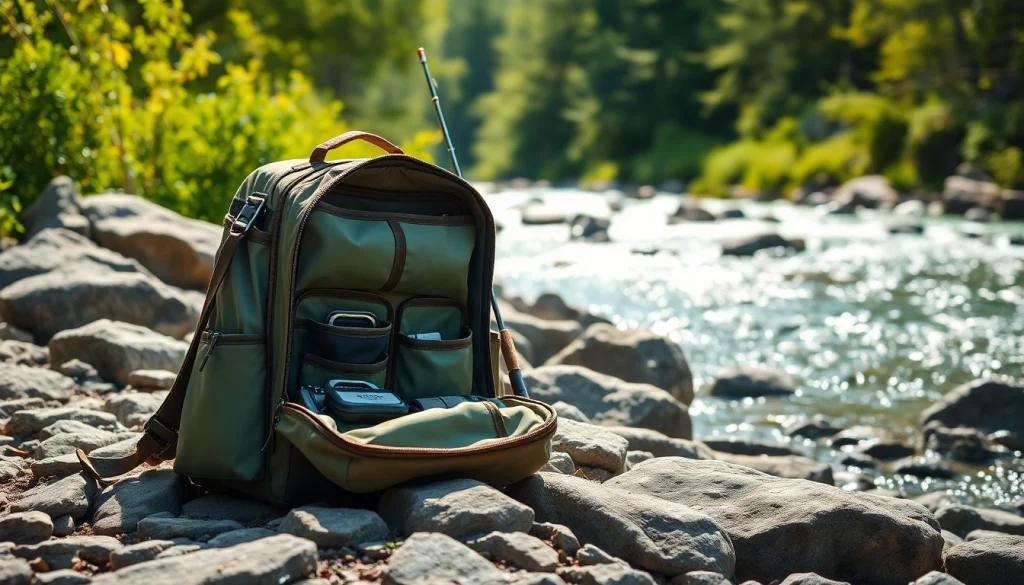
Understanding the Essentials of a Fly Fishing Backpack
When it comes to fly fishing, having the right equipment can make all the difference between an enjoyable experience and a frustrating one. A fly fishing backpack is more than just a means to carry your rods and reels; it is an essential tool that can enhance your fishing experience by allowing for better organization, ease of access, and comfort. Selecting the right pack entails understanding its unique features, materials, and the essentials that contribute to a pleasurable fishing adventure. This comprehensive guide will delve into the world of fly fishing backpacks, exploring their distinctive attributes and functionalities.
What Makes a Fly Fishing Backpack Unique?
A fly fishing backpack is designed specifically for the nuances of fly fishing. Unlike traditional backpacks, these packs prioritize specialized storage and access to essential gear quickly. They often feature compartments for loaded fly boxes, reels, tippet, and other fishing necessities, ensuring they’re within reach when you spot that perfect fish. Additionally, the shape and design cater to the upright position typical in fly fishing, allowing for freedom of movement without compromising comfort.
Key Materials and Durability Factors
Durability is paramount for any outdoor gear, and fly fishing backpacks are no exception. Made from water-resistant and abrasion-resistant materials such as nylon or polyester, they can withstand environmental challenges. Key characteristics to look for include:
- Water Resistance: Look for backpacks with waterproof zippers and treated fabrics to keep your gear safe during unexpected downpours.
- Abrasion Resistance: Reinforced stitching and high-denier fabrics reduce wear and tear when brushing against rocks or tree branches.
- UV Resistance: A pack that stands up to sun exposure will maintain durability and aesthetics over time.
Essential Features for Comfort and Functionality
Choosing a fly fishing backpack that prioritizes comfort ensures you can enjoy longer days on the water. Key features include:
- Adjustable Straps: Padded, adjustable shoulder and chest straps allow for a customized fit that won’t hinder casting.
- Ventilation: Back panels made of breathable mesh can reduce sweating and improve overall comfort.
- Attachment Points: D-rings and gear loops for net, water bottles, or rod holders are essential for keeping everything within reach.
- Pockets and Compartments: Multiple pockets of varying sizes allow for organized storage of tools, snacks, and personal items.
Choosing the Right Size for Your Adventures
The right size backpack is crucial in optimizing your fly fishing experience. Size varies significantly based on your fishing plans, ranging from a few hours on the river to multi-day backcountry fishing trips.
Backpack Volume and Storage Options
Volume is typically measured in liters, and knowing how much you can pack can help in selecting the right style. For day trips, a backpack in the range of 20 to 30 liters usually suffices, while extended trips may require 30 to 65 liters or more. Consider the types of items you’ll need to store, including:
- Fishing rods and reels
- Clothing layers and snacks
- Personal items such as cell phone and first-aid kit
Assessing Weight: Balance between Gear and Comfort
Weight plays a crucial role in maintaining comfort on the water. A well-designed fly fishing backpack distributes weight evenly, which prevents soreness during long hikes to fishing spots. A rule of thumb is to keep your backpack’s total weight under 20% of your body weight to avoid unnecessary strain.
Tailoring Size to Your Fishing Style
Your fishing style is a significant factor when choosing the right backpack size. If you prefer short excursions from your car, you might opt for a smaller pack. However, if backcountry hiking is your game, a larger pack with ample storage for overnight gear is essential. Think about:
- Your fishing duration and distance from transport.
- Seasons that may require extra gear.
- Personal gear requirements versus shared items for group outings.
Exploring Different Types of Fly Fishing Backpacks
There are various types of backpacks designed to cater to different fishing scenarios. Understanding their differences will help you select the best model for your needs.
Daypacks vs. Multi-day Packs
Daypacks are small, lightweight options designed for short fishing trips where you only need the essentials. These packs usually have a capacity of 20 to 30 liters. On the other hand, multi-day packs offer larger volumes ranging from 30 to 65 liters or more, allowing for additional gear storage necessary for extended trips, such as cooking gear, extra clothes, and camping equipment.
Chest Packs and Waist Packs: Pros and Cons
Chest packs and waist packs offer alternative storage solutions for fly fishermen who prefer easier access to gear while casting. Chest packs position essentials at the front of the body, making them easy to grab. However, they may limit your range of motion depending on design. Waist packs provide hands-free carry options but may require turning to access your gear, which could be inconvenient when you’re on the water. Assess your fishing approach to determine which pack style suits you better.
Specialty Packs for Specific Fishing Environments
Specialty packs exist for niche fishing environments, such as saltwater fly fishing or wilderness backpacking. These packs are designed with specific features tailored to the unique challenges presented by different environments. For example, saltwater fly fishing packs often have additional waterproof compartments and corrosion resistance, while packs for high-altitude backpacking may offer enhanced breathability and weight distribution for long hikes.
Popular Brands and Models to Consider
Understanding the market requires knowing which brands consistently deliver quality. Here, we’ll explore popular brands and models to help guide your purchase.
Comparative Analysis of Top Brands
Brands like Patagonia, Orvis, and Simms are known for their high-quality fly fishing gear. For instance, Patagonia’s “Stormfront” series features waterproof materials and ample storage, making it a popular choice. In contrast, Orvis is often praised for its lightweight models, while Simms is a go-to for rugged durability in demanding environments.
User Reviews: What Fishermen Are Saying
User feedback is invaluable when assessing different fly fishing backpacks. Anglers generally look for comfort, accessibility, and waterproofing in their reviews. Many praise the versatility and adjustability of certain brands while citing specific features that enhanced their fishing experience in diverse locations.
Price Points: Budget vs. Premium Options
Price points for fly fishing backpacks can vary widely, typically ranging from $50 for basic daypacks to over $300 for high-end models with advanced features. When weighing options, consider your budget but also the long-term investment in your fishing experiences. A higher-cost pack often translates to greater durability and specialized features that could ultimately enhance your outings.
Maintaining Your Fly Fishing Backpack for Longevity
Your fly fishing backpack is an investment, and proper care can significantly extend its life. Here are steps you can take to maintain and preserve your equipment.
Cleaning Techniques for Various Materials
Regular cleaning is crucial, especially after fishing in muddy or saline environments. For most nylon or polyester packs, a mixture of warm water and mild detergent works well. Use a soft brush to scrub off stains while being careful around zippers and straps. Rinse thoroughly and allow it to air dry completely to prevent mold and mildew.
Storage Tips: Keeping Your Gear Organized
Effective organization keeps your gear from getting damaged or lost. Use dry bags or ziplock bags for small items like flies and tippets. Store your backpack in a cool, dry place, ideally hanging up to maintain its shape and prevent creasing or wear on straps.
Repairing Common Wear and Tear Issues
Despite best efforts, wear and tear is inevitable. Being equipped to handle small repairs can save a backpack’s lifespan significantly. For minor tears, specialized fabric patches or sewing kits can help. Zipper issues can often be fixed with lubricants or replacement sliders, extending the usability of your backpack considerably.