
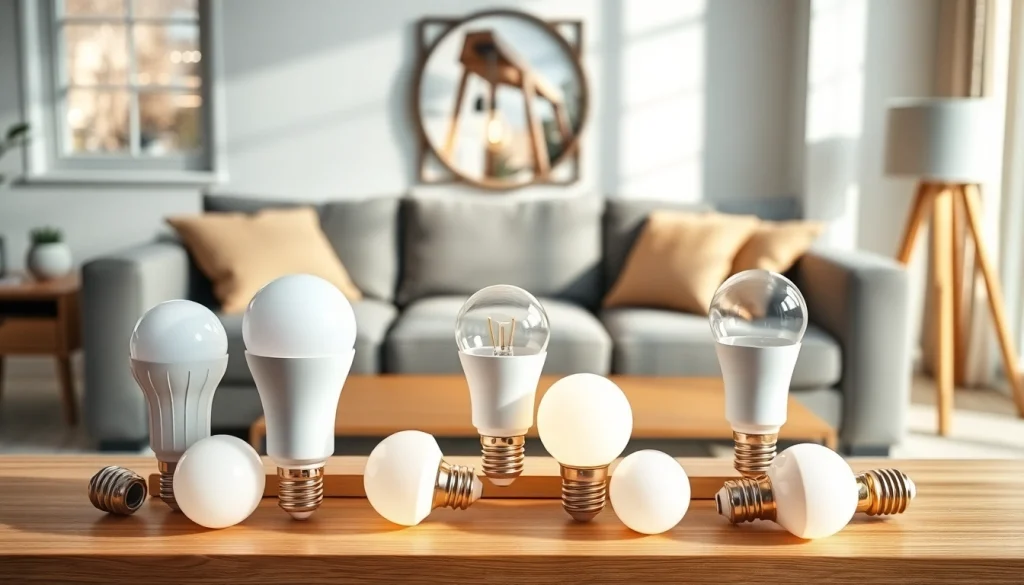
Understanding LED A19 Technology
What is LED A19?
The term LED A19 refers to a type of light bulb that utilizes LED (Light Emitting Diode) technology and has a specific shape and size – the ‘A’ designating the standard bulb shape and ’19’ indicating the bulb’s diameter in eighths of an inch. Thus, an A19 bulb measures about 2.375 inches (or approximately 60 mm) in diameter. These bulbs are popular choices for residential and commercial lighting due to their versatility, efficiency, and longevity. Whether you are illuminating a cozy living room or a professional workspace, led a19 bulbs can cater to various needs by providing customizable lighting options.
Benefits of LED A19 Over Traditional Bulbs
Transitioning from traditional incandescent or halogen bulbs to LED A19 bulbs offers numerous advantages. One of the most significant benefits is energy efficiency; LED bulbs consume up to 80% less electricity compared to incandescent bulbs, translating to substantial savings on energy bills. Furthermore, LED A19 bulbs have a considerably longer lifespan, lasting up to 25,000 hours or more, compared to a mere 1,000 hours for an incandescent bulb.
Additionally, LED A19 bulbs produce less heat, which enhances safety and minimizes energy wastage. They are also available in a wide range of color temperatures, allowing you to create the desired atmosphere in any room. With all these advantages, it’s clear why LED A19 bulbs are becoming the lighting solution of choice for many consumers.
How LED A19 Functions
LED A19 bulbs operate through a process known as electroluminescence. When electricity passes through the semiconductor material inside the bulb, it excites the electrons, causing them to emit light. This method of lighting is fundamentally different from incandescents, where light is produced by heating a metal filament until it glows.
The construction of LED A19 bulbs typically includes several components: the LED chip, heat sink, and optical components. The heat sink dissipates heat generated during operation, prolonging the bulb’s life and maintaining optimal performance. This compact design not only enhances durability but also allows for various applications, from table lamps to overhead fixtures.
Choosing the Right LED A19 for Your Space
Factors to Consider When Selecting LED A19
When choosing an LED A19 bulb, there are several considerations to keep in mind:
- Wattage Equivalent: Determine the equivalent wattage of the traditional bulb you plan to replace. Common options are 60W, 75W, or 100W equivalents.
- Color Temperature: LED A19 bulbs come in varying color temperatures measured in Kelvin (K). Choose warm white (2700K-3000K) for a cozy feel or daylight (5000K-6500K) for a more vibrant atmosphere.
- Brightness: Brightness is measured in lumens. Higher lumens mean brighter light, so select a bulb that fits your specific lighting requirements.
- Dimmability: If your space requires variable lighting, opt for dimmable LED A19 bulbs. Ensure they are compatible with your existing dimmer switches.
- Certifications: Look for bulbs that are Energy Star certified, ensuring they meet energy efficiency standards.
Common Uses for LED A19 in Homes
LED A19 bulbs are exceptionally versatile and suited for various applications within the home. Common uses include:
- Living Rooms: Create a welcoming space with warm white light for relaxation or social gatherings.
- Kitchens: Bright, cool lights can enhance visibility for cooking and food preparation.
- Bedrooms: Select softer warm white tones for more serene and intimate lighting.
- Hallways and Entryways: Use LED A19 bulbs to provide adequate illumination without being overwhelming.
Comparing Different LED A19 Manufacturers
With many manufacturers producing LED A19 bulbs, it’s essential to compare features such as energy efficiency, light quality, customer reviews, and warranty offerings. Some factors to consider include:
- Product Specifications: Check lumen output, wattage, and color temperature for each brand’s offerings.
- Brand Reputation: Research consumer feedback and performance reviews to identify reliable products.
- Warranty Policies: A robust warranty can provide reassurance regarding the longevity and quality of your purchase.
- Environmental Impact: Consider brands that prioritize sustainability, using eco-friendly materials and processes.
Installation and Compatibility of LED A19 Bulbs
Easy Installation Steps for LED A19
Installing an LED A19 bulb is a straightforward process that can generally be completed in just a few steps:
- Turn Off Power: Ensure that the light fixture is turned off to avoid any electrical shock.
- Remove the Old Bulb: Carefully unscrew the existing incandescent or CFL bulb from the fixture.
- Insert the LED A19 Bulb: Align the base of the LED bulb with the socket, and gently screw it into place until secure.
- Turn the Power Back On: Restore power to the fixture, and switch on the light to test the new bulb.
Finding Compatible Fixtures
Compatibility is a crucial factor when transitioning to LED A19 bulbs. Ensure that your existing light fixtures can accommodate the bulb size and wattage equivalent. Most fixtures, including lamps, ceiling mounted lights, and pendant fixtures, are compatible with LED A19 bulbs. However, if using specialized fixtures, it may be necessary to consult the manufacturer’s specifications to confirm compatibility.
Troubleshooting Common Installation Issues
Occasionally, you may encounter issues during the installation of LED A19 bulbs. Here are some common problems and their solutions:
- Dim Lighting: If the bulb appears dim, confirm that the wattage equivalent is appropriate for your fixture and check if it is a dimmable bulb used with a compatible dimmer.
- Flickering: Flickering can occur due to loose connections or incompatible dimmer switches. Ensure the bulb is securely in place and consider switching to an LED-compatible dimmer.
- non-functioning bulb: If the bulb doesn’t light up, check for power supply issues and consider trying the bulb in another fixture to confirm if the bulb itself is faulty.
Efficiency and Performance Metrics of LED A19
Energy Consumption Comparisons
LED A19 bulbs consume significantly less energy compared to traditional incandescent bulbs. For example, while a standard 60W incandescent bulb uses 60 watts of energy, a comparable LED A19 might only use 8-12 watts to produce the same light output. This reduction in energy consumption leads to lower electricity bills and a smaller environmental footprint.
Calculating the annual energy cost of running an LED A19 bulb can provide insights into potential savings. Based on an average electricity rate, running a 10-watt LED A19 for 5 hours daily would cost roughly $3.65 annually, while an incandescent bulb of the same lumen output would cost about $18.25 a year.
Longevity and Lifespan of LED A19 Bulbs
One of the most appealing features of LED A19 bulbs is their longevity. While incandescent bulbs typically last around 1,000 hours, LED A19 bulbs can last from 15,000 up to 25,000 hours or more, depending on their quality and usage conditions. This prolonged lifespan reduces the frequency of bulb replacements, making them a cost-effective choice.
Moreover, with less frequent replacements, the environmental impact associated with the disposal of used bulbs is minimized, addressing sustainability concerns prevalent among consumers today.
Real-world Performance and Savings
In real-world applications, LED A19 bulbs have proven to maintain their promised energy efficiency and longevity. Users typically report enjoying brighter, higher-quality lighting while seeing significant savings on utility bills. Additionally, LED A19 bulbs maintain a constant brightness level throughout their lifespan, avoiding the gradual dimming often experienced with traditional bulbs.
The initial investment cost of LED A19 bulbs may be slightly higher than their incandescent counterparts, but the long-term energy savings and reduced replacement frequency ultimately provide a favorable return on investment.
FAQs About LED A19 Bulbs
What makes LED A19 bulbs energy-efficient?
LED A19 bulbs use significantly less energy than traditional incandescents, reducing electricity bills while providing the same or higher light output.
Can I use LED A19 bulbs in enclosed fixtures?
Yes, but ensure the bulbs are rated for enclosed use to avoid overheating that may affect performance and lifespan.
How long do LED A19 bulbs last?
Typically, LED A19 bulbs last up to 25,000 hours under normal conditions, significantly longer than incandescent bulbs.
Are LED A19 bulbs dimmable?
Many LED A19 bulbs are dimmable; however, it’s essential to check the packaging for compatibility with existing dimmer switches.
What color temperatures do LED A19 bulbs offer?
LED A19 bulbs come in various color temperatures, ranging from warm white (2700K) to daylight (5000K), catering to different lighting preferences.