Overview of Austin Construction Landscape
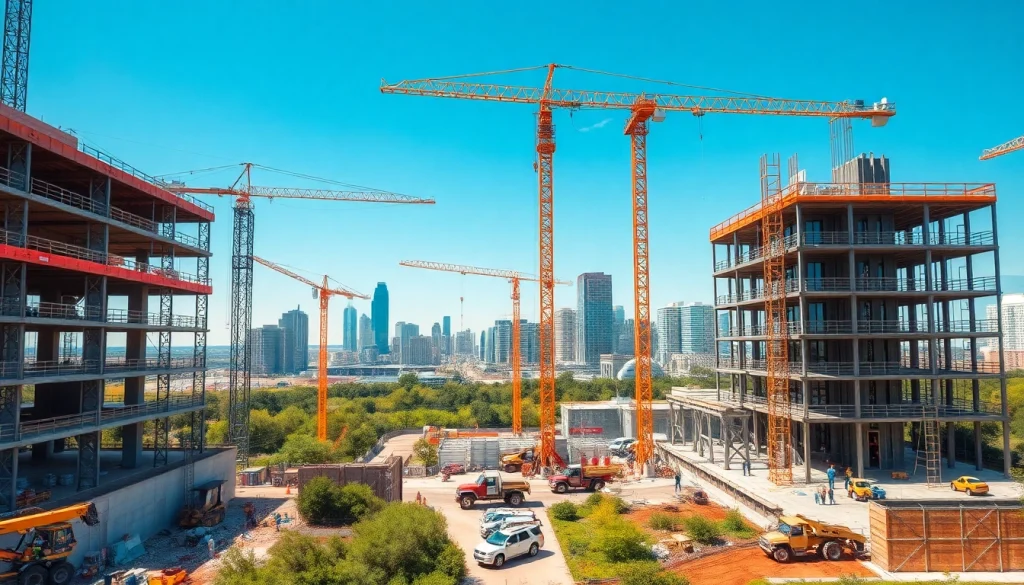
The construction landscape in Austin has undergone significant transformation in recent years, shaped by rapid population growth, a booming economy, and evolving consumer preferences. With its unique blend of cultural elements, innovative enterprises, and natural beauty, Austin represents a dynamic hub for construction activity. This article aims to explore various facets of Austin construction, including current trends, innovative practices, challenges, and projected future developments while providing actionable insights for stakeholders in the industry. As the city continues to thrive, the demand for Austin construction remains robust, prompting a closer examination of the factors at play.
Current Trends in Austin Construction
The construction industry in Austin reflects a plethora of trends driven by demographics, economics, and environmental considerations. One notable trend is the shift towards urban infill development, wherein vacant lots or underutilized spaces are repurposed for new housing and commercial projects. This approach not only optimizes land use but also creates vibrant communities in urban centers.
Moreover, mixed-use developments are increasingly popular. These projects amalgamate residential, commercial, and recreational facilities into cohesive environments, fostering a sense of community and encouraging sustainable lifestyles. Projects like the Mueller development epitomize this trend, offering residents a blend of living, shopping, and entertainment options.
In addition to urban planning trends, the emphasis on sustainability has become paramount. Developers are increasingly integrating green building practices, such as energy-efficient designs and eco-friendly materials, into their projects. This not only reduces environmental impact but also appeals to eco-conscious consumers, making sustainable homes more desirable.
Key Players Influencing Development
The Austin construction landscape is marked by the influence of various key players, each contributing significantly to the industry’s expansion. Leading the charge are local government entities, which ensure that zoning laws, building codes, and regulations align with the city’s development goals. The city of Austin consistently works towards balancing growth while maintaining its environmental and cultural integrity.
Moreover, various construction firms, architects, and developers play a pivotal role. These entities not only bring innovative designs to life but also navigate the complexities of construction management and financing. Collaborations amongst these groups can accelerate project timelines and enhance overall efficiency.
Lastly, community organizations and advocacy groups are essential in shaping public discourse around construction projects. Their insights help ensure that developments reflect the community’s interests while also promoting equitable growth. Through public forums and stakeholder meetings, these organizations can voice residents’ concerns, helping to forge a path towards sustainable urban development.
Regulatory Environment and Its Impact
The regulatory environment in Austin has a profound impact on the construction industry. Building codes, zoning regulations, and land-use policies dictate not only what can be built but also where and how it can be done. The city implements strict growth management strategies to ensure sustainable development while preserving its unique character.
For instance, the City of Austin’s Land Development Code outlines the requirements for various types of construction, influencing everything from the appearance of buildings to environmental impact assessments. Understanding these regulations is crucial for developers and contractors looking to avoid costly delays or legal challenges.
Furthermore, recent reforms aimed at increasing housing availability have led to discussions about adjusting zoning laws to promote denser, mixed-use developments. While these reforms are designed to address the scarcity of affordable housing, they also raise concerns among residents about the potential overcrowding and infrastructural strain. Engaging with the regulatory landscape is vital for stakeholders to successfully navigate challenges and align their projects with community goals.
Innovative Techniques in Austin Construction
As the Austin construction scene evolves, innovative techniques have emerged, ushering in a new era of efficiency, sustainability, and creativity. These advancements not only improve construction methods but also enhance the quality of the built environment.
Green Building Practices
Green building practices are becoming a cornerstone of construction in Austin. These practices encompass a range of strategies designed to reduce the environmental impact of buildings. Utilizing sustainable materials, energy-efficient designs, and innovative waste management techniques are key elements of this approach.
For instance, projects often include features such as solar panels, green roofs, and rainwater harvesting systems. These additions not only contribute to sustainability but can also lead to significant long-term cost savings for building owners and residents. The U.S. Green Building Council’s LEED certification process provides a framework for evaluating these practices, which have gained traction among developers in Austin.
Smart Technologies Transforming Construction
Innovative technologies are making their way into the construction process, bringing forth new levels of efficiency and safety. From Building Information Modeling (BIM) to augmented reality, smart technologies are revolutionizing how projects are designed, planned, and executed.
BIM allows architects and builders to create 3D models of structures, which can aid in visualizing the project and identifying potential issues before construction begins. This reduces errors and streamlines collaboration among stakeholders. Additionally, drones can now be utilized for site surveys and inspections, offering high-resolution aerial images and reducing the risk associated with traditional inspection methods.
Smart technologies not only enhance construction efficiency but also provide valuable data that can be analyzed for performance improvements. The integration of IoT devices in buildings enables smarter energy management, improving resource conservation and operational efficiency once the project is complete.
Modular and Prefabricated Solutions
Modular construction and prefabrication are gaining popularity within the Austin construction landscape. These methods involve constructing sections of a building offsite before assembling them on location, which can drastically reduce construction time and costs.
By employing modular techniques, builders can maintain high quality standards while minimizing waste. The approach allows for the replication of designs, thereby streamlining processes and further enhancing efficiency. As urban spaces in Austin become increasingly limited, these solutions offer a pragmatic response to the need for affordable, high-quality housing.
Notable projects have successfully integrated modular construction, showcasing the potential for this method to address immediate housing shortages while still conforming to local building standards and meeting community needs.
Challenges Facing Austin Construction Industry
Despite its vibrant growth, the Austin construction industry faces a myriad of challenges that require strategic approaches to ensure sustainable progress. Understanding these obstacles is crucial for industry players aiming to navigate the complexities of the market.
Lack of Skilled Labor
The shortage of skilled labor remains one of the most pressing issues in the construction sector nationally and locally in Austin. As experienced workers retire and fewer younger professionals enter the trades, the talent gap widens, leading to delays and increased costs across projects.
To address this challenge, partnerships between construction firms and local educational institutions are essential. Promoting vocational training programs can help cultivate a new generation of skilled workers. Initiatives that emphasize on-the-job training and apprenticeships are also effective in bridging the skills gap and providing a pathway for entry into the industry.
Supply Chain Disruptions
Supply chain disruptions have become markedly pronounced, impacting the construction industry’s ability to access necessary materials and equipment efficiently. Issues such as global shortages, shipping delays, and fluctuating prices affect project timelines and budgets.
Strategic planning and diversification of suppliers serve as vital strategies for mitigating these disruptions. By building strong relationships with multiple suppliers and exploring local sourcing options, construction firms can enhance resilience against market volatility.
Effective inventory management practices also play a significant role in preventing delays. Utilizing software solutions to track materials and manage project timelines can lead to improved efficiency and reduced waste.
Addressing Sustainability Concerns
As sustainability takes center stage in public discourse, the pressure on the construction industry to minimize its ecological footprint intensifies. The industry’s impacts on land, water, and air quality necessitate proactive strategies to address environmental concerns.
One approach is the incorporation of sustainable practices throughout the entire project lifecycle, from planning and design to construction and demolition. Implementing circular economy principles, which emphasize reusing and recycling materials, can significantly aid in reducing waste.
Additionally, engaging stakeholders throughout the development process helps ensure that community needs and environmental values are considered. Transparency and accountability not only build trust but can also position construction firms as leaders in promoting sustainability in the sector.
Case Studies in Successful Austin Construction Projects
Highlighting specific case studies of successful construction projects in Austin reveals the innovative practices and effective strategies employed by industry players. Analyzing these examples provides insights into overcoming challenges and achieving community-focused outcomes.
Community-Focused Developments
Projects that prioritize community engagement and inclusivity are increasingly making headlines in Austin. Developments, such as mixed-use centers that incorporate affordable housing, retail space, and community amenities demonstrate a commitment to upholding the quality of life for residents.
These projects often involve collaboration between developers, local governments, and community organizations, ensuring that diverse voices are taken into account during the planning process. By fostering a sense of belonging, these developments enhance social connectivity and promote economic growth.
High-Rise Innovations
The skyline of Austin is rapidly changing with the introduction of innovative high-rise buildings that showcase architectural creativity while maximizing limited urban space. These projects often employ advanced construction techniques, including prefabrication and the use of sustainable materials.
Successful high-rise projects exemplify how vertical development can contribute to density and urban vibrancy while providing modern amenities and environmental benefits. Utilizing energy-efficient designs and renewable energy sources, these structures not only enhance the urban landscape but also promote sustainable living.
Cultural and Historical Restoration Efforts
Preserving Austin’s rich cultural heritage through restoration efforts is equally crucial. Projects that focus on revitalizing historical buildings often demonstrate a commitment to maintaining the city’s unique character while ensuring contemporary functionality.
Integrating modern design elements into historical structures can create a powerful synergy that respects the past while accommodating current needs. Community support and thorough research into historical significance are key to successful restorations, making these projects vital for celebrating Austin’s heritage.
The Future of Austin Construction
As the Austin construction industry continues to navigate complex challenges, the future is ripe with opportunities driven by innovation and a commitment to sustainability. Proactive planning and engagement will ensure that the sector remains robust in the face of dynamic market demands.
Predicted Growth Areas
Looking forward, several growth areas emerge within Austin’s construction landscape. Residential construction remains a primary focus, particularly in developing affordable housing solutions to meet increasing demand. Up-and-coming neighborhoods present opportunities for new developments that promote smart growth principles.
Additionally, the commercial sector, driven by tech companies and entrepreneurs, will likely see continued expansion, with office spaces adapting to new working models. The emphasis on mixed-use developments will support community integration while enhancing urban density.
Technological Advancements on the Horizon
Emerging technologies will continue to influence the construction landscape in Austin. Innovations such as AI-driven construction management and 3D printing capabilities herald a future where efficiency and precision are paramount. As these technologies evolve, they promise to reduce costs and timelines while delivering high-quality results.
Investments in cybersecurity will be critical as construction firms increasingly rely on digital platforms for operations. Ensuring robust security measures will mitigate risks associated with data breaches and safeguard sensitive project information.
Long-term Sustainability Goals
Long-term sustainability goals will remain at the forefront of Austin’s construction agenda. Stakeholders throughout the community are likely to emphasize the integration of sustainability practices to address pressing environmental issues. Collaborating on initiatives such as waste reduction, energy efficiency, and resource conservation can create measurable impacts.
Moreover, achieving net-zero construction and energy standards will become increasingly attainable through the application of cutting-edge materials and innovative designs. Fostering a culture of sustainability within the industry will be paramount in aligning with community values and addressing life’s challenges.