Understanding the Importance of Tile
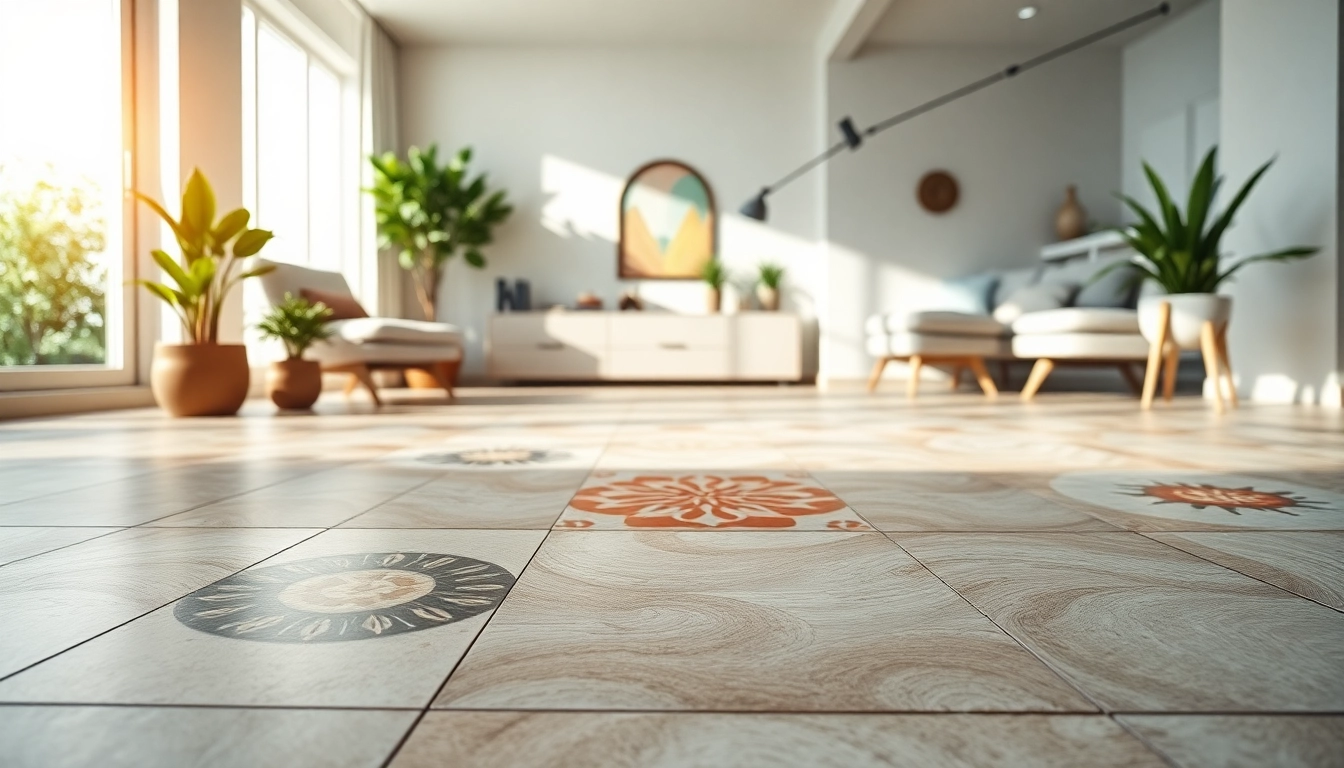
Tile has become an essential element in modern home design, offering durability, style, and versatility across various spaces. It can transform a mundane area into a vibrant and functional environment. From kitchens to bathrooms, the choice of tile can significantly impact both aesthetic appeal and practicality. By understanding the role of tiles in home décor, homeowners can make informed decisions that enhance their living spaces.
Benefits of Using Tile in Home Design
Tile is not merely a flooring option; it serves multiple functions and comes with numerous advantages:
- Durability: Tiles are known for their longevity, withstanding heavy foot traffic without showing signs of wear.
- Water Resistance: Particularly beneficial in areas prone to moisture, tiles are easy to clean and resist mold and mildew.
- Variety of Designs: Tiles come in countless colors, shapes, and materials, allowing for creative freedom in design.
- Easy Maintenance: Unlike carpets or other flooring types, tiles can be cleaned quickly, often requiring nothing more than a damp mop.
- Value Addition: Well-chosen tiles can increase property value, making them a smart investment.
Popular Tile Materials and Their Uses
When it comes to tile types, each material brings unique features to a project:
- Ceramic Tile: Highly versatile and available in various designs, ceramic tiles are suitable for kitchens and bathrooms.
- Porecelain Tile: Known for its density and durability, porcelain is ideal for high-foot-traffic areas and outdoor use.
- Glass Tile: Often used as an accent or in backsplashes, glass tiles add a sense of luxury and depth to spaces.
- Natural Stone Tile: Materials like granite, marble, and slate provide an organic look and unique textures, perfect for upscale environments.
- Vinyl Tile: An affordable alternative that mimics other materials, vinyl is suitable for areas needing softer surfaces, like bedrooms.
Tile Durability and Longevity
Durability is one of tile's standout features. Ceramic and porcelain tiles, for example, can last for decades without losing their appearance. Natural stone tiles, while beautiful, may require additional care to maintain their integrity. Regular maintenance, such as sealing stone tiles and using appropriate cleaning products, extends their life. Proper installation and choosing the right type of tile for each specific application also play crucial roles in enhancing tile longevity.
Types of Tile for Every Space
Choosing the right type of tile depends on the specific function and aesthetic of the area in question. Below, we explore various types of tiles suited for different spaces:
Floor Tiles: Practical and Aesthetic Choices
Floor tiles must be durable and complementary to the overall design theme of your home. Common options include:
- Porcelain Tiles: Known for their ability to withstand moisture, making them ideal for bathrooms and kitchens.
- Ceramic Tiles: Suitable for living areas and kitchens, available in a multitude of designs.
- Carpet Tiles: Provide a soft, comfortable option for bedrooms or play areas.
Wall Tiles: Stylish Options for Any Room
Wall tiles are not just for bathrooms; they can add character to any room. Consider these options:
- Glass Tiles: Excellent for backsplashes, adding a sleek and modern touch.
- Subway Tiles: A classic choice for kitchens that provide a timeless look with varying shades.
- Mosaic Tiles: Perfect for creating intricate patterns and can be applied as accents in different rooms.
Outdoor Tiles: Weather-Resistant Solutions
For exterior applications, it's crucial to select tiles designed to withstand outdoor conditions:
- Porcelain Pavers: They are slip-resistant and can get wet without compromising safety.
- Natural Stone Tiles: Provide an organic look that blends well with gardens and patios.
- Concrete Tiles: Versatile and can be customized with various finishes to fit any outdoor theme.
Choosing the Right Tile Patterns
The pattern you choose for your tile installation can greatly influence the overall look and feel of a space. Here are some strategies for selecting effective tile patterns:
Classic vs. Modern Tile Designs
Understanding the distinction between classic and modern patterns can help tailor your design:
- Classic Patterns: Include herringbone or checkerboard layouts, lending a timeless appeal.
- Modern Designs: Incorporate geometric shapes or freeform arrangements that make a bold statement.
Combining Colors and Textures
Mixing textures and colors can lead to stunning visual effects:
- Accent Tiles: Choose a bright color or unique texture to create focal points in a room.
- Color Schemes: Consider a monochromatic or complementary color scheme for a harmonious look.
Creating Visual Flow with Tiles
To establish a cohesive look throughout your home, think about how tile patterns can transition from one area to another:
- Continuity: Using similar tiles in adjoining rooms creates a unified flow.
- Transition Tiles: Utilizing contrasting tiles in transition areas can separate spaces without breaking overall design.
Tile Installation Best Practices
Installation is critical to ensuring the longevity and effectiveness of tile. Below are some best practices to consider:
Selecting the Right Adhesives and Grouts
Choosing the appropriate adhesives and grouts is essential for tile longevity. Here’s what to keep in mind:
- Cement-Based Grout: Offers durability and resistance to stains.
- Thin-Set Mortar: Ideal for most tile installations, providing strong adhesion.
DIY vs. Professional Installation
While some homeowners opt to install tiles themselves, hiring professionals can ensure quality installation:
- DIY: Ideal for smaller projects and provides a cost-saving alternative.
- Professional Installation: Recommended for larger or complex projects, ensuring a polished finish.
Maintenance Tips for Longevity
Regular maintenance keeps tiles in great condition:
- Regular Cleaning: Use appropriate cleaners designed for tile type.
- Sealing: Reseal natural stone tiles every few years to protect from stains.
Frequently Asked Questions about Tile
How do I choose the right tile for my project?
Consider the space, the tile's durability, water resistance, and aesthetic preferences when selecting tiles.
What are the best cleaning methods for tile?
Use a mild detergent and warm water; avoid abrasive cleaners to maintain tile integrity.
Can tiles be installed over existing flooring?
Yes, as long as the existing floor is in good condition and level for proper adhesion.
What is the average cost of tile installation?
Costs vary widely based on materials and labor, generally ranging from $5 to $15 per square foot.
How do I repair cracked or broken tiles?
Replace the damaged tile or use tile adhesive for small cracks. Professional help may be required for larger issues.