
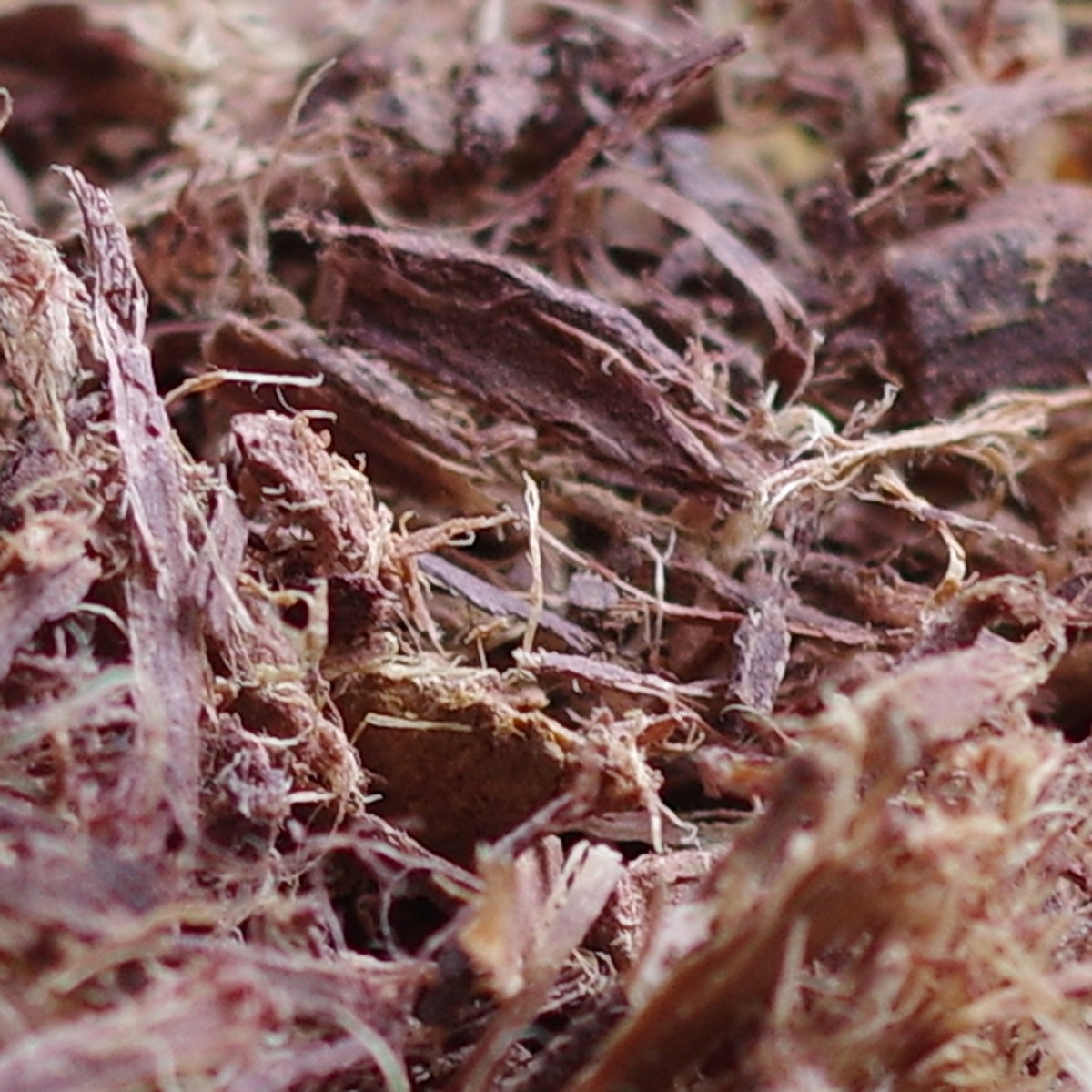
Alkanet red dye has become a favorite among textile artists, natural dyers, and eco-conscious makers for its ability to deliver stunning purple-red hues straight from nature. Derived from the roots of the Alkanna tinctoria plant, Alkanet red dye offers depth, character, and botanical authenticity that elevate textiles far beyond what synthetic dyes can achieve. Whether you work with yarn, fabric, garments, or fiber art, Alkanet red dye provides a versatile, expressive color palette perfect for enhancing handmade textile projects. This article explores how to use it effectively, how it performs on various fibers, and how to achieve the most compelling results in your creations.
Why Alkanet Red Dye is Ideal for Textile Enhancement
A Natural Source of Unique Color
Unlike artificial pigments, Alkanet red dye creates organic, shifting tones that vary depending on fiber type, pH level, and extraction method. This gives textile projects depth and dimension, making each piece visually interesting and truly unique.
Eco-Friendly and Artist-Friendly
Because it is plant-based and biodegradable, Alkanet red dye aligns perfectly with sustainable textile practices. Artisans who prioritize eco-friendly craftsmanship appreciate how this botanical dye supports greener creative processes without sacrificing color quality.
How Alkanet Red Dye Performs on Different Textile Fibers
Protein Fibers: Wool, Silk, and Alpaca
Protein fibers tend to absorb Alkanet red dye exceptionally well, producing deep, rich tones ideal for scarves, shawls, and woven textiles. The natural sheen of silk, in particular, helps amplify the warm glow of the dye.
Plant Fibers: Cotton, Linen, and Hemp
With proper preparation, plant fibers can display the full beauty of Alkanet red dye. Although these fibers often require more thorough scouring and mordanting, the results are rewarding—soft purples, dusty reds, and earthy wine tones perfect for garments, table linens, and home décor.
Blended Fabrics
Blends of cotton-wool or silk-linen allow Alkanet red dye to develop multidimensional tones on a single textile. The variation between fiber absorption creates artistic, layered color effects.
Preparing Textile Materials for Dyeing with Alkanet Red Dye
Scouring for Clean Fiber
Before dyeing, fibers must be thoroughly cleaned. Removing oils, dust, and residues helps Alkanet red dye bond to the textile surface, ensuring even color distribution and long-lasting results.
Mordanting for Stronger Color
Mordants are essential for natural dyeing. Alum is the most commonly used eco-friendly mordant and helps Alkanet red dye produce brighter, more stable tones. Iron mordant can shift the color toward deeper purples and smoky burgundies—ideal for dramatic textiles.
Extracting Color from Alkanet for Textile Use
Water Extraction for Soft Tones
Simmering the roots gently helps release pigment into the dye bath without damaging the color quality. This method produces soft, natural hues that work beautifully for lightweight textiles and delicate designs.
Alcohol Extraction for Greater Saturation
Soaking the roots in alcohol before dyeing allows more concentrated pigment to emerge. Textile artists who want bold, saturated tones often prefer this approach because it intensifies the performance of Alkanet red dye.
pH-Sensitive Adjustments
One of the most exciting features of Alkanet red dye is its responsiveness to pH.
- Acidic conditions bring out warmer, redder tones.
- Alkaline conditions reveal cooler purples and violet hues.
Adjusting pH lets textile artists shape the final result to match their desired aesthetic.
Techniques for Enhancing Textile Projects
Long Soak Method
Allowing textiles to soak for extended periods—sometimes overnight—creates deeper penetration of the pigment. This method works well for large fabric panels and richly colored garments.
Layered Dyeing for Artistic Effects
Overdyeing with other botanical dyes such as madder, logwood, or weld adds depth and character. When combined with Alkanet red dye, layered colors create unique tone variations perfect for artisan textiles.
Solar Dyeing
Solar dyeing is an eco-friendly technique that uses sunlight to slowly infuse the color. Alkanet red dye responds beautifully to this method, producing soft gradients and delicate shades ideal for natural fiber art.
Applications of Alkanet Red Dye in Textile Projects
Handwoven Fabrics
Weavers use Alkanet red dye to add warmth and texture to yarns before weaving. The dye creates stunning gradients and complex tones that bring character to finished cloth.
Garment Dyeing
Clothing makers use Alkanet red dye to create unique, plant-colored garments. From dresses and shirts to wraps and accessories, the natural tones enhance the handmade quality of each piece.
Quilting and Patchwork
Alkanet red dye offers quilters a botanical palette that blends well with other natural colors. Its earthy, calming tones add depth to patchwork, slow stitching, and textile art.
Home Textiles
Artisans use Alkanet red dye on napkins, table runners, cushion covers, and fabric wall art. The botanical shades bring warmth and organic beauty into interior spaces.
Tips for Best Results with Alkanet Red Dye
Experiment with Small Samples
Because natural dyes vary, testing first helps ensure the exact shade you want for your textile project.
Keep Detailed Notes
Record fiber type, mordant percentage, extraction method, and pH adjustments. These notes help maintain consistency when using Alkanet red dye.
Store Roots Properly
Keep Alkanet red dye roots in airtight containers away from moisture and light to preserve their potency for future textile work.
Conclusion
Enhancing textile projects with Alkanet red dye brings natural beauty, unique tone variation, and sustainable artistry to your creative work. Its plant-based origins, versatility across fibers, and responsiveness to pH and extraction methods make it an invaluable dye for woven fabrics, garments, home textiles, and fiber art. By mastering preparation, experimenting with techniques, and embracing the organic nature of botanical dyeing, artisans can unlock the full potential of Alkanet red dye—infusing every textile creation with warmth, depth, and a timeless connection to nature.