Understanding Steel Fabrication Shops
Definition and Importance of Steel Fabrication
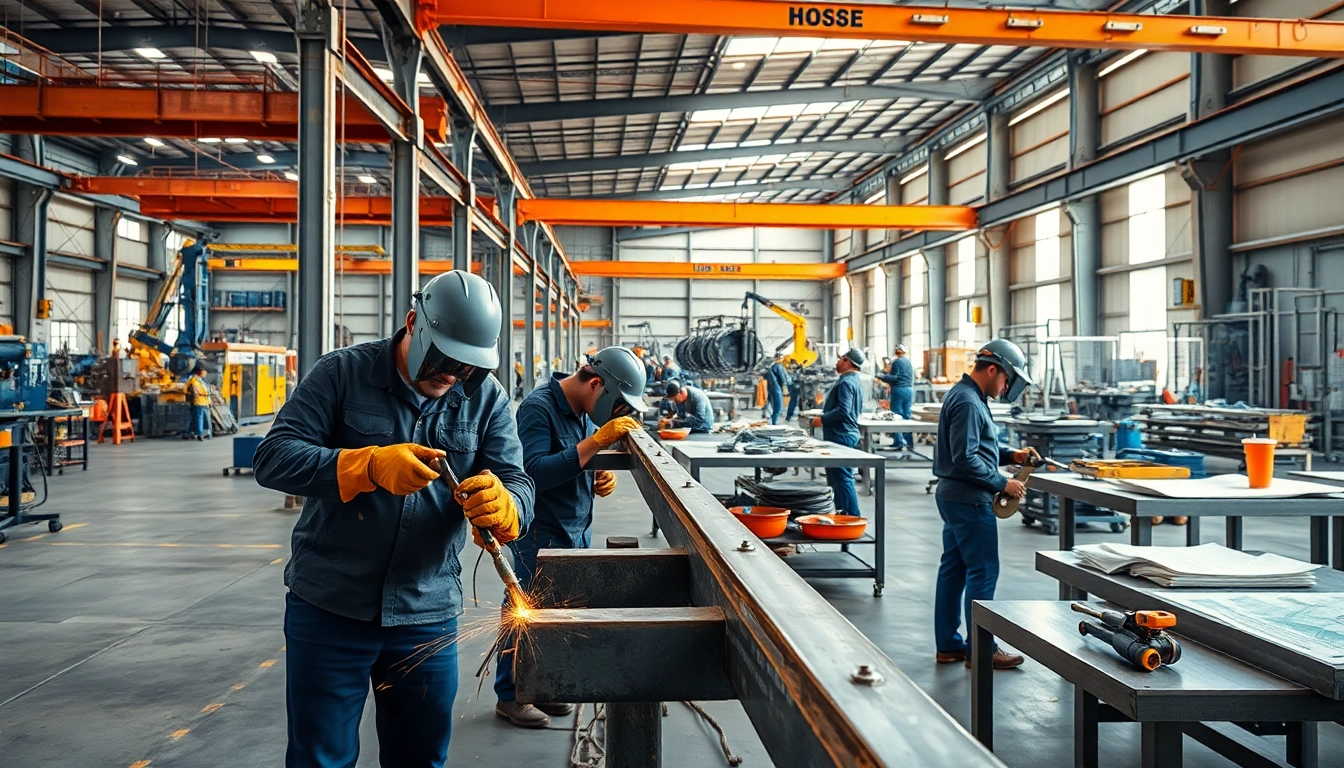
Steel fabrication encompasses various processes that transform raw steel into usable forms for construction, manufacturing, and other industries. A steel fabrication shop is a specialized facility where these processes occur, encompassing everything from cutting and welding to assembling and finishing. The importance of these shops cannot be overstated, as they provide essential infrastructure and components for countless projects, ranging from skyscrapers to machinery parts. Understanding the nuances of steel fabrication is crucial for anyone involved in the construction or manufacturing sectors.
Key Processes Involved in Steel Fabrication
The steel fabrication process includes several key stages, which can vary based on the project's complexity and specific requirements. Below are the primary processes found in most steel fabrication shops:
- Cutting: This initial step involves the precision cutting of steel sheets or beams to the required dimensions using tools such as saws, torches, or lasers.
- Bending: Once cut, the steel may require bending to achieve desired shapes. This is typically done using hydraulic press brakes or other bending machines.
- Welding: A critical process where different steel components are fused together. Various welding techniques, including MIG, TIG, and stick welding, are used depending on the materials and desired strength.
- Finishing: After fabrication, finishing treatments such as sandblasting, painting, or galvanizing may be applied to enhance aesthetics and protect against corrosion.
Common Types of Steel Fabrication Shops
Steel fabrication shops can be categorized into several types based on their focus and specialization:
- Structural Fabrication Shops: These shops primarily focus on producing structural steel components for buildings, bridges, and infrastructure.
- Custom Fabrication Shops: These facilities often work on bespoke projects, creating unique or specialized components tailored to specific customer needs.
- Pipe Fabrication Shops: These shops specialize in the manufacturing of pipes and fittings for various industries, including oil and gas, water distribution, and construction.
- Sheet Metal Fabrication Shops: Specializing in thin sheets of metal, these shops create components used in HVAC systems, appliances, and automotive parts.
Essential Equipment and Tools
Machinery Used in Steel Fabrication Shops
Modern steel fabrication relies heavily on advanced machinery to ensure efficiency and precision. The key machinery found in these shops includes:
- CNC Machines: Computer Numerical Control (CNC) machines are critical for precision cutting and shaping of steel, allowing for intricate designs while reducing human error.
- Welding Machines: Advanced welding machines are essential for various joining techniques, offering automated options for increased productivity.
- Plasma Cutters: These devices offer a quick way to cut through thick sheets of steel, making them invaluable for precision cuts.
- Press Brakes: Used to bend metal sheets, press brakes can handle various steel thicknesses, providing flexibility in design.
- Drills and Grinding Equipment: For creating holes and finishing edges, drills and grinders are necessary to ensure smooth assembly and functionality.
Safety Equipment for Workers
Safety is paramount in steel fabrication due to the inherent risks associated with working with heavy machinery and raw materials. Essential safety equipment includes:
- Protective Clothing: Workers should wear flame-resistant clothing to protect against sparks and molten metal.
- Hard Hats: Head protection is essential for protecting against falling objects or accidental bumps.
- Gloves: Cut-resistant gloves are crucial while handling sharp metal edges.
- Eye Protection: Safety goggles or face shields are necessary to shield workers from flying debris and intense light during welding.
- Respirators: In environments with fumes or dust, respiratory protection helps ensure worker health and safety.
Innovative Technologies in Steel Fabrication
The steel fabrication industry is increasingly leveraging innovative technologies to enhance efficiency and reduce costs. Key advancements include:
- 3D Printing: This technology is gradually making its way into steel fabrication, allowing for rapid prototyping and the production of complex shapes that might be challenging or impossible using traditional methods.
- Robotics: Automation through robotics has transformed welding and assembly processes, improving speed and consistency while reducing labor costs.
- Software Solutions: Advanced CAD (Computer-Aided Design) and CAM (Computer-Aided Manufacturing) software have greatly improved design accuracy and project management capabilities, streamlining operations from conceptualization to completion.
Best Practices for Effective Fabrication
Quality Control Measures in Steel Fabrication
Quality control is crucial in steel fabrication to ensure the integrity and longevity of the final product. Key measures include:
- Material Testing: Regular testing of incoming materials for quality and compliance with specifications is vital.
- Inspection Processes: Implementing periodic inspections throughout the fabrication process ensures that defects are caught early.
- Standards Compliance: Adhering to national and international standards, such as ISO 9001, enhances the credibility and trustworthiness of the fabricator.
- Feedback Loops: Establishing clear communication channels encourages feedback from workers regarding quality and improves overall practices.
Maintaining Efficiency in Production
Efficiency in steel fabrication shops can be achieved through various strategies, such as:
- Lean Manufacturing: Implementing lean principles helps eliminate waste, optimize processes, and enhance productivity.
- Scheduled Maintenance: Regular maintenance of machinery prevents unexpected downtime and extends the lifespan of equipment.
- Training Programs: Investing in employee training ensures that workers are equipped with the latest skills and know-how, which can significantly improve operational efficiency.
- Inventory Management: Efficiently managing inventory levels ensures that materials are available as needed without excess that can tie up capital.
Environmental Considerations in Steel Fabrication
With growing concerns about sustainability, steel fabrication shops must incorporate environmentally friendly practices. Key considerations include:
- Waste Management: Developing strategies for recycling and disposing of scrap materials can minimize waste and reduce environmental impact.
- Energy Efficiency: Adopting energy-efficient machinery and processes can lower operational costs and decrease carbon footprints.
- Regulatory Compliance: Staying updated on environmental regulations ensures that the shop operates within legal standards and avoids potential fines.
Challenges Faced by Steel Fabrication Shops
Supply Chain Issues Affecting Steel Fabrication
The steel fabrication industry often faces challenges related to supply chain disruptions. Factors contributing to these issues include:
- Material Shortages: Fluctuations in demand and global events can lead to shortages of essential materials, impacting production timelines.
- Logistical Constraints: Transportation issues can delay the arrival of materials, causing bottlenecks in the fabrication process.
- Price Volatility: The steel market can be highly volatile, affecting cost predictability for fabricators and potentially leading to margin squeezes.
Labor Skill Shortages in the Industry
Many steel fabrication shops struggle with finding skilled labor, an issue exacerbated by several factors:
- Retirement of Experienced Workers: As a significant number of skilled workers retire, the knowledge gap becomes more pronounced.
- Training Programs: There is often a lack of robust training programs to equip new workers with necessary skills effectively.
- Perception of the Industry: The perception of steel fabrication as a low-skill job can deter new talent from entering the field.
Regulatory Compliance in Steel Fabrication
Adhering to regulatory standards poses a significant challenge for steel fabrication shops. Key areas of compliance include:
- Safety Regulations: Compliance with OSHA and other safety standards is essential to protect employees and avoid penalties.
- Environmental Regulations: Adhering to environmental laws ensures sustainability practices and avoids costly violations.
- Quality Standards: Meeting industry standards, such as ASTM standards for materials, is crucial for maintaining market competitiveness.
The Future of Steel Fabrication Shops
Emerging Trends in Steel Fabrication
The steel fabrication industry is continuously evolving, with several emerging trends shaping its future:
- Sustainability Focus: As emphasis on sustainability grows, more shops are moving towards eco-friendly practices and materials.
- Increased Automation: Automation technologies continue to play a significant role in improving efficiency and reducing costs.
- Digital Integration: The incorporation of digital technologies in operations leads to better data management and resource allocation.
Technology Integration and Automation
The integration of technology and automation is becoming crucial to remaining competitive in the fabricating landscape. Considerations include:
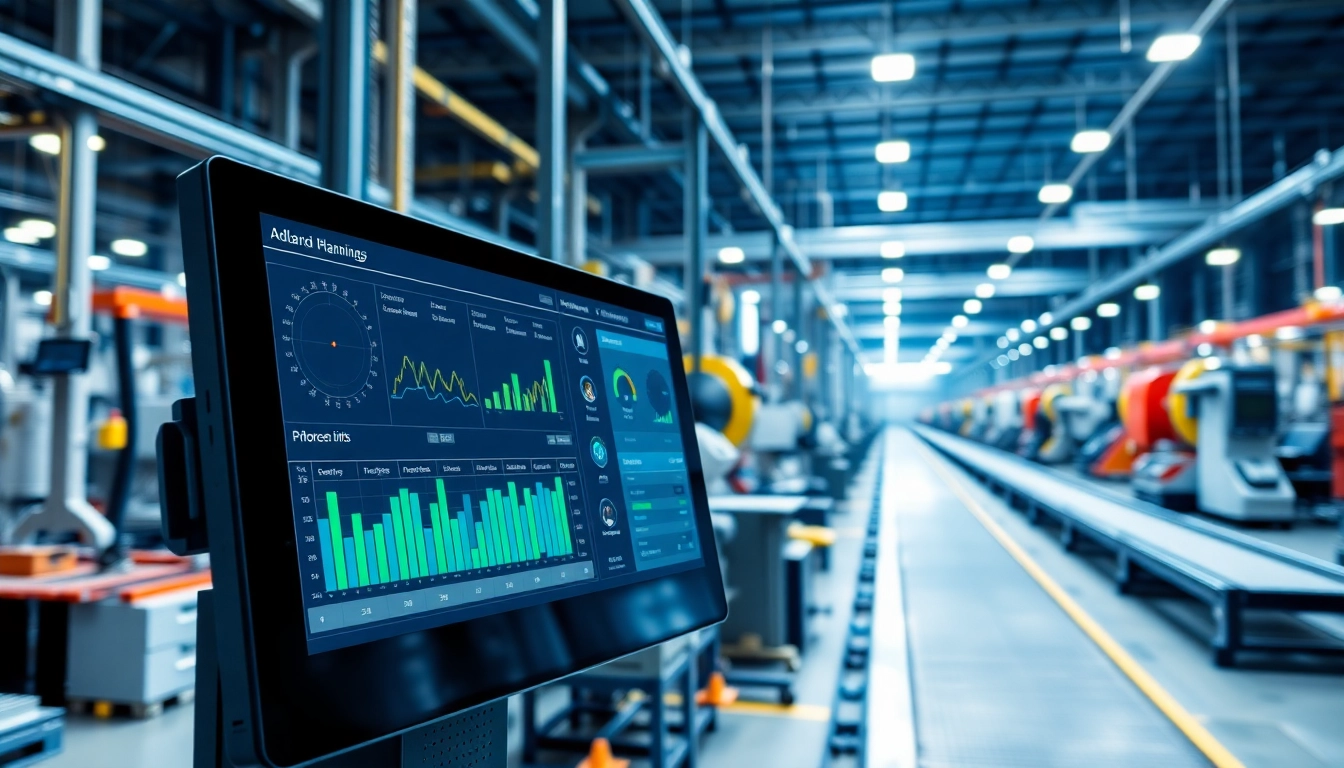
- Remote Monitoring: Using IoT devices to monitor machinery performance can help prevent issues before they arise.
- Data-Driven Decision Making: Leveraging analytics for operational insights can guide improvements in processes and productivity.
- Robotic Process Automation: Implementing RPA in repetitive tasks can free skilled workers for more critical roles.
Predictions for Industry Growth
Looking ahead, the steel fabrication industry is projected to experience growth driven by several factors:
- Infrastructure Investment: Increased public and private investment in infrastructure projects is expected to drive demand for steel components.
- Technological Advancements: Ongoing innovations in fabrication processes will likely improve efficiency and lower costs, fostering growth.
- Global Market Expansion: Emerging markets present new opportunities for steel fabrication shops to diversify and expand their reach.