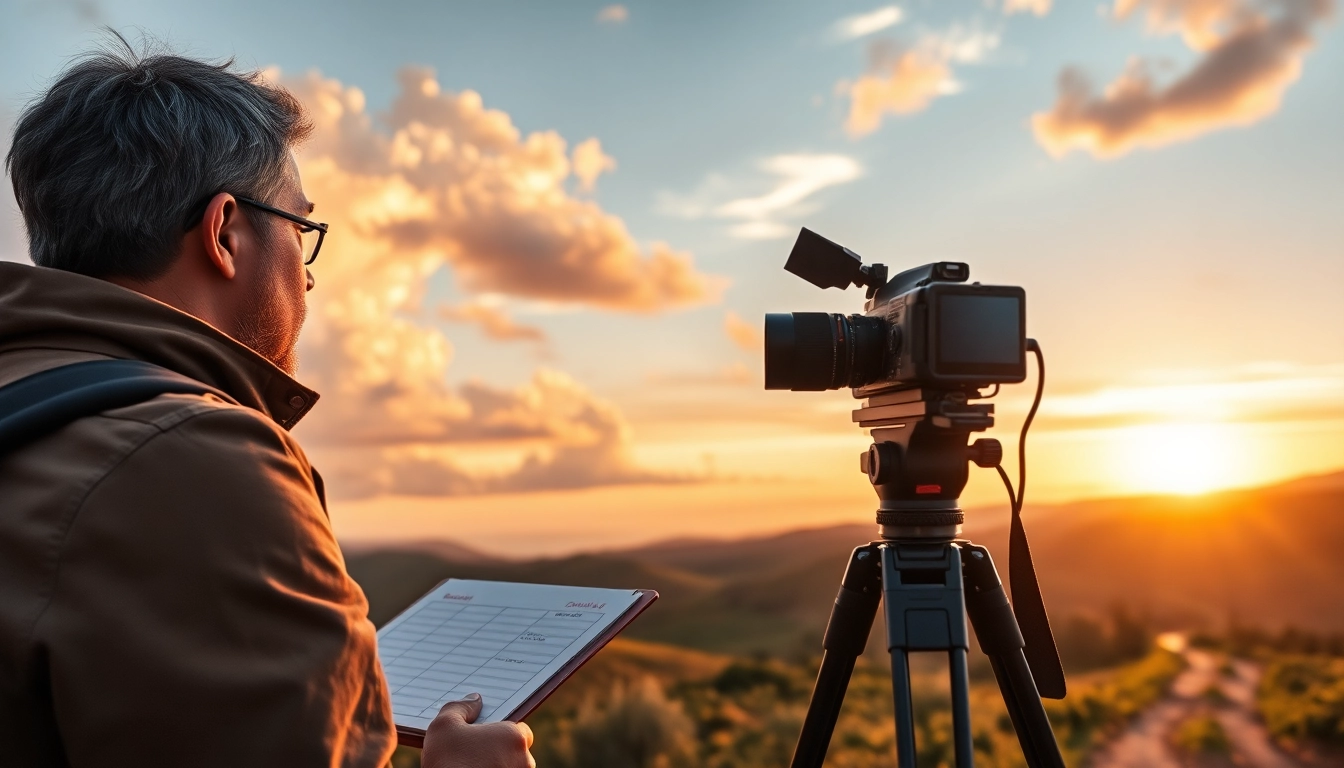
Understanding Location Scouting
What is location scouting?
Location scouting is the crucial process undertaken in the pre-production stage of filmmaking and photography. It involves finding and securing locations that fit the aesthetic and narrative demands of a project. Location scouts physically visit various sites to assess their suitability, considering aspects such as visual appeal, accessibility, and logistical requirements. In essence, it is about transforming a script, storyboard, or overall concept into tangible, real-world settings. Location scouting provides the foundational elements for storytelling; it helps set the mood, tone, and context of a film or photograph, bringing creative visions to life.
The importance of location scouting in production
A successful shoot relies significantly on effective location scouting. The right location can enhance storytelling excellence, contributing to the narrative’s believability and emotional impact. Furthermore, location scouting helps manage budget and time effectively. When a scout selects a location that meets most or all of the needs, it reduces the potential for costly adjustments during production. Filmmakers and photographers alike can avoid the pitfalls of selecting unsuitable locations and the subsequent challenges that arise, such as unanticipated equipment needs, lack of proper facilities, or even weather conditions that do not align with the project’s requirements.
Key roles in the location scouting process
The location scouting process typically involves several key players:
- Location Scout: This individual is primarily responsible for searching for and assessing potential locations. They evaluate the visual composition, accessibility, and compliance with the project’s vision.
- Director/Producer: These figures provide creative input and strategic direction, ensuring that location choices align with the intended message, themes, and logistics of the project.
- Cinematographer: This person assists in determining the best location for lighting and camera angles, ensuring that the site enhances the visual narrative.
- Production Designer: This role involves liaising with scouts to understand how locations can be dressed up or modified to meet artistic visions.
Essential Techniques for Effective Location Scouting
Researching potential locations
Research is an invaluable asset in the location scouting process. This can include reviewing databases, previous project archives, and scouting websites dedicated to listing potential filming locations. Understanding the historical context of locations, along with their physical attributes, can provide insight into the feasibility of using them for a given project. Furthermore, enthusiasts can leverage social media platforms to discover unique locations, often discovering hidden gems that are not widely recognized.
Utilizing technology in location scouting
Technology plays a vital role in modern location scouting. Tools such as Google Earth and various mapping applications allow scouts to virtually explore locations before physically visiting them. Drones can also be utilized to capture aerial shots and provide a different perspective of potential sites. Additionally, virtual reality (VR) is emerging as a unique method to explore locations remotely, enabling decision-makers to virtually walk through spaces that may be thousands of miles away.
Networking with local resources
Establishing a network within local communities can significantly enhance location scouting efforts. Local contacts often possess intimate knowledge about unique spots that may not be heavily advertised. Collaboration with local film commissions can also ease the permitting process and provide additional resources, like connections to local vendors or crew members who understand the area’s regulations and logistics. Building relationships not only makes conquering administrative tasks easier but provides valuable insights that can improve the final product.
Logistics of Location Scouting
Preparing for site visits
Preparation is key to conducting effective site visits during the location scouting process. Scouts should develop a checklist based on the script's specific needs, which includes technical requirements like electricity access, water sources, and proximity to support services. Carrying along essential tools—such as measuring equipment, a camera for documentation, and even software that can help visualize shots—can streamline the process. Often, scouts will revisit sites multiple times to confirm lighting and environmental changes.
Timing and weather considerations
Weather plays an influential role in location scouting. Understanding the seasonal variations and weather patterns in a given area is essential for ensuring optimal shooting conditions. Evaluating locations during various times of the day allows scouts to notice how natural light affects the ambiance and mood on-set. Additionally, acknowledging local events that might disrupt access to locations is fundamental in planning. A well-timed visit can illuminate aspects of a site that align perfectly with the project’s needs.
Documenting locations efficiently
Documenting the results of location scouting visits is crucial for future reference and decision-making. Scouts should take extensive notes on every site, detailing aspects such as sightlines, potential camera angles, and logistical information like distance to parking. Photography is essential; taking ample pictures can help later discussions about which locations work best for the project. Facilitating an organized data management system to categorize potential locations based on various criteria ensures that decisions can be made swiftly when production planning commences.
Best Practices in Location Scouting
Tips for effective note-taking
Effective note-taking is an invaluable skill during the location scouting process. Here are several best practices to implement:
- Be Descriptive: Rather than simply jotting down information, scouts should leverage detailed descriptions that convey the site’s essence. What mood does the space evoke? How can it visually support the storytelling?
- Utilize Visual Aids: Incorporating sketches, maps, or additional imagery can enhance the written word and provide vibrant context to the notes.
- Organize Observations: Categorizing notes by key elements—such as lighting conditions, logistical considerations, and creative inspirations—can facilitate easier discussions later.
Evaluating locations for cinematic quality
Cinematic quality is pivotal when considering locations. Evaluators should assess each site's composition and its alignment with the film's thematic requirements. Key factors include:
- Visual Appeal: The aesthetic qualities of a location—such as colors, textures, and unique features—can significantly elevate visual storytelling.
- Accessibility: The practicalities of maneuvering crew and equipment to and from the location can impact decision-making. Assess the route, parking, and any potential challenges.
- Acoustic Environment: Evaluate potential sound issues, such as traffic noise or chatter, to ensure the integrity of audio recording during filming.
Securing permissions and contracts
Securing the necessary permissions and contracts to utilize a location can be one of the most daunting aspects of location scouting. Understanding local regulations, liaising with property owners, and obtaining the appropriate permits are essential steps in solidifying a location agreement. Having a comprehensive checklist that details all requirements ensures that no critical aspect is overlooked. Engaging legal professionals familiar with the industry can provide additional peace of mind that everything is managed correctly.
Common Challenges in Location Scouting and Solutions
Adapting to last-minute changes
Last-minute changes are often inevitable in the creative industry. Adapting to unforeseen circumstances—such as a location becoming unavailable—requires flexibility and quick thinking. Maintaining a backup list of alternative locations that meet similar criteria can provide a lifeline. Additionally, developing strong relationships with local partners may offer alternative solutions or replacement sites quickly.
Overcoming transportation issues
Transportation can present challenges, especially in remote locations. It is essential to assess the logistical capacity ahead of time—considering both crew transportation and gear logistics. When possible, pre-scouting directors and cinematographers may enable smoother transitions during production. Having designated transport solutions, such as vans or trucks, pre-booked and readily available, can mitigate delays significantly.
Handling budget constraints effectively
Budget constraints are a common concern in location scouting. To maximize available resources, scouts should prioritize their site visits based on proximity and relevance to the project. Many local communities offer tax incentives or discounts for filmmakers, helping reduce overall costs. Creativity plays a significant role as well; seeking out lesser-known locations can often yield remarkable spaces at a fraction of the price. Transparency with stakeholders about budget limitations can foster understanding and flexibility regarding location selections and terms.