1. Understanding Sports Massage at Home
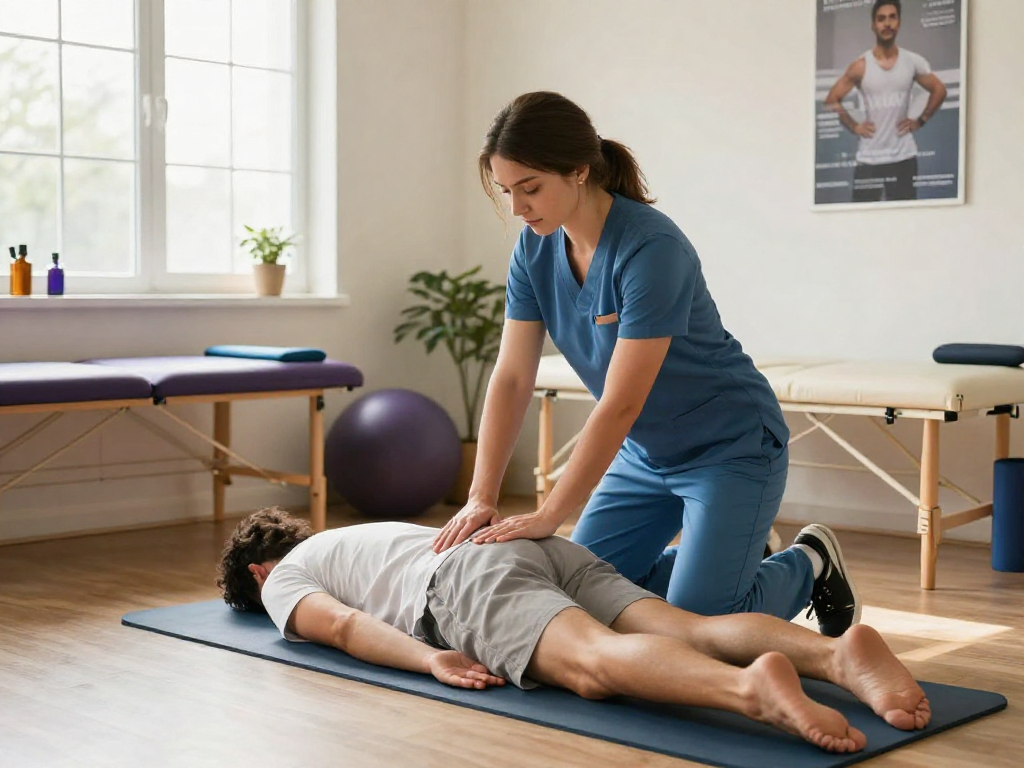
Sports massage at home represents a unique opportunity for athletes and active individuals to receive tailored therapeutic care without the need to leave their living space. This service merges the benefits of traditional sports massage with the convenience of at-home service, providing personalized attention that caters to the specific needs of each individual. As the healthcare landscape continues to evolve, particularly post-pandemic, more people are recognizing the importance of accessible and effective recovery solutions. Understanding how sports massage can enhance your wellness is essential, especially if you're seeking to improve your athletic performance or aid in recovery from an injury.
1.1 Definition and Benefits of Sports Massage
Sports massage is a specialized form of bodywork tailored to the needs of athletes and physically active individuals. It focuses on the muscles relevant to a particular sport or activity, aiding in the prevention and healing of injuries. The primary benefits of sports massage include:
- Pain Relief: Eases muscle tension and soreness, reducing the discomfort associated with intense physical activity.
- Increased Flexibility: Helps maintain muscle elasticity, which can improve performance through enhanced range of motion.
- Faster Recovery: Reduces recovery time after workouts and competitions, allowing you to return to sports faster.
- Enhanced Performance: By improving muscle function and circulation, sports massage can contribute to overall athletic efficacy.
1.2 How Sports Massage Aids Recovery
Incorporating sports massage into your recovery regimen can significantly enhance your healing process. This therapy increases blood flow to tissues, promoting nutrient delivery and waste removal, which is crucial for muscle repair. Specific techniques, such as effleurage and petrissage, can break down scar tissue and soothe sore spots, thus speeding up the healing of soft tissue injuries. The psychological benefits are equally important; sports massage can reduce stress, anxiety, and symptoms of depression, enabling athletes to maintain a positive mindset during recovery.
1.3 Target Audience for Home-Based Massage Services
Sports massage services at home cater to a wide variety of individuals, including:
- Athletes preparing for competitions who need regular treatments to enhance performance.
- Individuals recovering from injuries looking for personalized care.
- Fitness enthusiasts who engage in regular physical activity and need preventative care.
- Older adults seeking gentle care that fits within their lifestyle.
2. The Role of Mobile Physiotherapy in Sports Recovery
Mobile physiotherapy is becoming an indispensable part of the rehabilitation and recovery landscape for athletes and active individuals. By delivering care directly to homes or training facilities, physiotherapists can provide targeted treatment that addresses the specific needs of each patient in real-time. This personalized approach not only saves time but also greatly improves patient comfort and adherence to treatment.
2.1 Benefits of Mobile Physiotherapy for Athletes
There are numerous benefits to utilizing mobile physiotherapy, including:
- Convenience: Athletes can receive treatment on their own schedule, accommodating busy lives and training regimens.
- Customized Treatment: Mobile physiotherapists can tailor sessions specifically to the athlete’s unique needs and injuries.
- Immediate Feedback: Therapists can assess movements in real-time, allowing for on-the-spot adjustments and advice.
2.2 Personalized Care in the Comfort of Home
Experiencing physiotherapy in a familiar environment can significantly enhance comfort and relaxation during treatment. This setting allows athletes to break down barriers and focus more on their recovery without the stress of traveling to a clinic. One can easily incorporate personal discussions about training and competition while receiving care, leading to more holistic treatment plans.
2.3 Case Studies: Success Stories in Sports Recovery
Many athletes have successfully utilized mobile physiotherapy as a key aspect of their recovery journey. For instance, a competitive marathon runner recovering from a knee injury reported that regular mobile physiotherapy sessions helped them regain strength and stability much faster than expected. Through consistent care and tailored exercise regimens integrated into their treatment plan, they achieved their goals and returned to competition on schedule.
3. The Future of Sports Massage and Physiotherapy
The future of sports massage and physiotherapy is bright, driven by innovations in healthcare delivery and technology. As we reach 2026, it's vital to explore how new approaches will shape patient experiences and treatment efficacy.
3.1 Trends and Innovations in 2026
Emergent trends indicate a shift towards holistic patient-centered care, emphasizing not only rehabilitation but also prevention and wellness. Innovative techniques in myofascial release, deep tissue massage, and proprioceptive neuromuscular facilitation (PNF) are becoming increasingly popular among practitioners.
3.2 Integrating Technology in Massage Services
Technology will play an instrumental role in the evolution of sports massage and physiotherapy services. Tools like wearable devices can monitor physical progress, keeping therapists informed of patients’ readiness for certain types of treatment. Virtual reality (VR) may also be used for visualization techniques during sessions, enhancing patient engagement and understanding of their treatment.
3.3 The Impact of Telehealth on Sports Massage Accessibility
Telehealth has revolutionized access to healthcare services, including physiotherapy and sports massage. This approach allows for initial assessments and follow-up care to occur remotely, making it easier for athletes and patients in rural areas to receive quality care. Telehealth integrates seamlessly with home-based services, providing comprehensive solutions tailored to individual needs.
4. How to Choose a Qualified Home Physiotherapist
Selecting the right home physiotherapist is crucial to achieving your rehabilitation and performance goals. A well-informed choice can enhance your experience and treatment outcomes.
4.1 Credentials and Certifications to Look For
When searching for a qualified physiotherapist, it is essential to verify their credentials. Ensure they hold a degree in physiotherapy from an accredited institution and have relevant certifications, including specialized training in sports rehabilitation. Membership in a professional organization, such as the Australian Physiotherapy Association, can also indicate a commitment to professional development and quality care.
4.2 Questions to Ask Before Hiring a Physiotherapist
Before engaging a physiotherapist, it’s advisable to inquire about:
- Experience in treating your specific condition.
- Approach to treatment and rehabilitation.
- Availability and flexibility regarding scheduling sessions.
- Insurance coverage and payment options.
4.3 Understanding Insurance and Payment Options
Being well-informed about insurance coverage is key to preventing unexpected expenses. Many health insurance plans cover physiotherapy services, but it’s important to check specific policy details and whether the provider of choice is in-network. Additionally, inquire about out-of-pocket expenses and payment plans to avoid financial stress during treatment.
5. Common Myths and FAQs About Sports Massage at Home
As with any specialized healthcare service, misconceptions surrounding sports massage can lead to confusion or hesitation. Understanding the facts is integral to making informed health decisions.
5.1 Debunking Common Misconceptions
One common myth is that sports massage is only for professional athletes. In reality, people of all fitness levels can benefit from it. Furthermore, another misconception is that deeper pressure is always better; while firm pressure can be beneficial in certain contexts, it’s essential to listen to your body and communicate with your therapist.
5.2 Who Can Benefit from Sports Massage?
Sports massage can benefit anyone engaged in physical activity, including:
- Recreational athletes.
- Fitness enthusiasts.
- Individuals recovering from surgery.
- Those living with chronic pain or tension.
5.3 What to Expect During a Home Sports Massage Session
During a home sports massage session, you can expect a thorough assessment of your physical condition, followed by targeted massage techniques focusing on problem areas. Your therapist will discuss your goals and preferences to personalize the experience. Sessions typically last from 30 to 90 minutes, depending on individual needs and treatment focus.
FAQs
1. What conditions can sports massage at home treat? Sports massage can aid in treating common conditions such as muscle strains, tendonitis, and sports injuries, along with tension and stress relief.
2. How often should I schedule a sports massage? The frequency of sports massage depends on your activity level and recovery needs, but many individuals benefit from regular sessions every few weeks or after intense workouts.
3. What should I do to prepare for a home sports massage session? Preparation may include staying hydrated, communicating your specific needs or areas of concern, and wearing comfortable clothing to facilitate movement during your session.
When exploring options, sports massage at home provides comprehensive insights into personalized care that enhances recovery and athletic performance.. Additionally, sports massage at home provides further details.