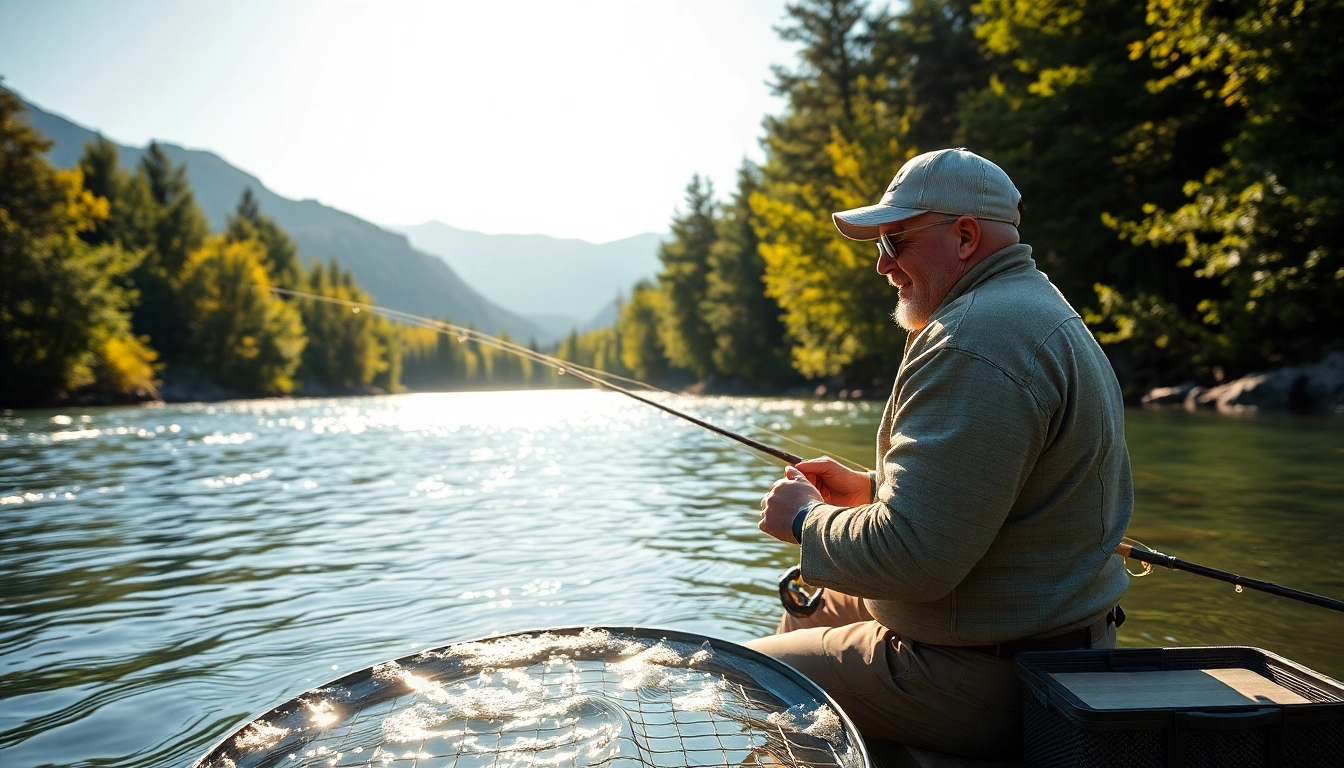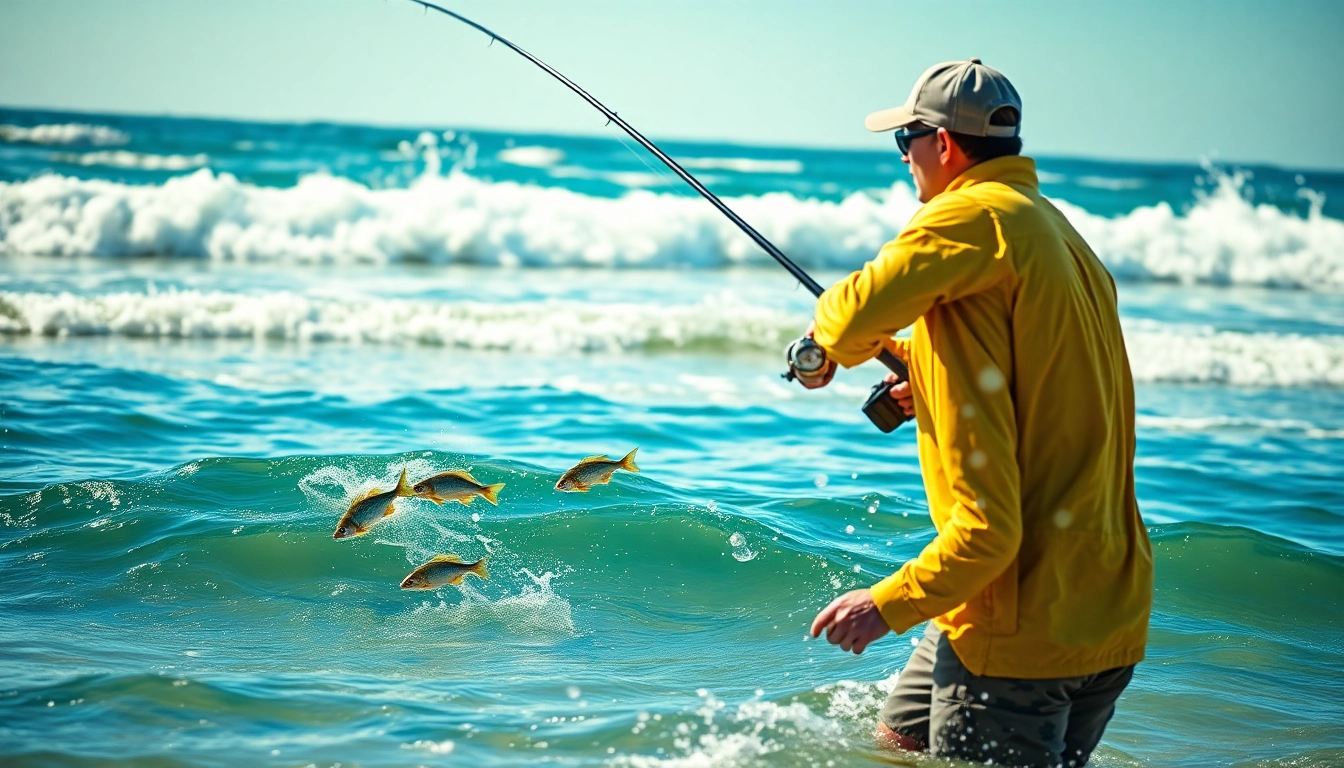
Introduction to Saltwater Fly Fishing
Saltwater fly fishing offers an exhilarating combination of skill, strategy, and the pursuit of some of the world’s most exciting fish species. This article serves as a comprehensive guide for enthusiasts and novices alike, covering everything from essential gear to top destinations for anglers. Whether you’re planning to cast towards bonefish in the Caribbean or hunt for tarpon off the Florida coast, Saltwater fly fishing encompasses unique challenges that require particular skills and knowledge. Here, we delve deep into the aspects that make saltwater fly fishing not just a sport but a lifestyle.
What is Saltwater Fly Fishing?
Saltwater fly fishing is a specialized form of fishing that uses artificial flies for bait to catch saltwater fish species. Unlike traditional spin fishing, where lures can be cast with the help of a heavy sinker, fly fishing involves delicate presentations that imitate the natural movements of baitfish or crustaceans. This method is commonly employed in ocean waters, coastal areas, and brackish environments, creating a diverse array of targets and fishing conditions.
Benefits of Saltwater Fly Fishing
Engaging in saltwater fly fishing comes with numerous advantages, including:
- Connection with Nature: The experience allows anglers to immerse themselves in breathtaking surroundings, from tranquil beaches to rugged coastlines.
- Physical Challenge: Saltwater fly fishing often requires casting over long distances, enhancing physical fitness and hand-eye coordination.
- Variety of Species: Anglers can target a wide range of species, from smaller fish like snook and redfish to larger game fish such as tarpon and marlin.
- Community and Camaraderie: The sport fosters connections among enthusiasts, creating opportunities for social engagement and shared experiences.
Types of Fish Targeted
Saltwater fly fishing offers a remarkable variety of fish to pursue, including but not limited to:
- Bonefish: Known for their speed and wariness, bonefish are a prime target for fly anglers in shallow waters.
- Tarpon: Celebrated for their acrobatic leaps and size, tarpon are a challenging catch that provides an adrenaline rush.
- Permit: A favorite among advanced anglers, permit are elusive and require stealthy approaches and perfect presentations.
- Sharks: Many fly fishermen seek encounters with different shark species, offering thrilling moments on the water.
- Snook: This species thrives in coastal waters, offering year-round opportunities for fly fishing enthusiasts.
Essential Gear for Saltwater Fly Fishing
When engaging in saltwater fly fishing, having the right gear is crucial for success. Below is a detailed exploration of the essential equipment you will need.
Choosing the Right Rod and Reel
The selection of your fly rod and reel is foundational to saltwater fly fishing. Here's how to choose wisely:
- Rod Length: Typically, a rod measuring between 8 to 10 feet is ideal, with longer rods offering advantages in casting distance and line control.
- Weight Class: Choose a rod that matches the species you're targeting. For example, a 9-weight is a popular choice for chasing medium-sized game fish, while a 10-weight or higher is better for larger species such as tarpon.
- Reel Selection: Opt for a reel with a strong drag system that can withstand the fight from fast and powerful fish. Look for models that are lightweight yet durable, preferably made with corrosion-resistant materials.
Choosing Flies for Different Species
Flies play a pivotal role in saltwater fly fishing, and understanding which fly to use is essential:
- Bonefish Flies: Opt for smaller, lightweight patterns such as #4 to #8 size crab and shrimp imitations.
- Tarpon Flies: Larger streamer patterns like the Tarpon Bunny are effective due to their visibility and movement in the water.
- Permit Flies: The Gotcha fly is a popular choice, mimicking the appearance of shrimp or crabs often found in sandy flats.
- Snook Flies: Streamer patterns like Clouser Minnows work well to entice snook lurking in mangroves or rocky shores.
Additional Gear and Accessories
Beyond rods and reels, there are other tools and accessories to enhance your fishing experience:
- Lines: Utilize weight-forward floating or sink-tip lines depending on your fishing conditions and target species.
- Leader Material: A strong, shock-resistant leader of around 12-20 lbs is preferable to handle sudden tugs from aggressive fish.
- Landing Gear: A sturdy net and fish gripping tools are important to safely handle catches and minimize injury to the fish.
- Sun Protection: Invest in quality sunblock, hats, and clothing made with UV protection to safeguard against sun exposure on long fishing days.
Techniques and Strategies
Success in saltwater fly fishing relies not only on good gear but also on mastering various techniques and strategies.
Understanding Tides and Their Impact
Tides significantly influence fishing conditions, including fish behavior and feeding patterns:
- High Tide: Fish often move closer to shore during high tide, making it an excellent time for inshore fishing.
- Low Tide: Fish may congregate around deeper channels or drop-offs as they chase baitfish.
- Slack Tide: The period between high and low tide, or vice versa, can be ideal for fishing, as it's a quieter time for fish activity.
- Pay Attention to Local Conditions: Weather factors like wind and water temperature can also affect fish movement, so stay informed before heading out.
Effective Casting Techniques
Proper casting is core to any fly fishing venture. Here are some techniques to improve your casting:
- Double Haul: This casting technique allows for longer distances and greater line control, which is essential in saltwater conditions.
- Accuracy: Practice casting into smaller targets to improve precision, replicating real fishing scenarios.
- Adjusting Your Speed: Vary your stripping speed to match the natural movement of the flies you’re imitating, keeping fish engaged.
Location and Timing for Success
Identifying the right locations and times for fishing can be the difference between a successful outing and a disappointing one:
- Identify Feeding Zones: Look for areas where fish are likely to feed, such as drop-offs, rock piles, or estuaries.
- Time of Day: Early mornings and late afternoons are often the best times to catch fish, as light conditions favor their visibility.
- Seasonal Patterns: Research the migratory patterns of target species to time your trips accordingly, as some fish are more plentiful during specific seasons.
Safety and Conservation Practices
Engagement in saltwater fly fishing brings responsibility; ensuring safety and conservation is essential for sustainable practices.
Essential Safety Tips
Being cautious while fishing can prevent accidents. Follow these safety tips:
- Wear a Life Jacket: Always have a personal flotation device on board, especially during offshore fishing trips.
- Stay Hydrated: Bring plenty of water to prevent dehydration, especially on sunny days.
- Know Your Environment: Familiarize yourself with local weather patterns and water conditions before heading out.
- Use Proper Equipment: Ensure your gear is in good condition and suitable for saltwater environments to prevent malfunctions.
Practicing Catch and Release
Practicing responsible catch and release techniques helps ensure that fish populations remain healthy:
- Use Barbless Hooks: Barbless hooks reduce harm to fish and make it easier to release them unharmed.
- Handle Fish Carefully: Minimize air exposure and handle fish gently to preserve their scales and protective slime layer.
- Revive Fish Before Release: Allow fish to regain strength in the water before releasing them to ensure their survival.
Protecting Marine Ecosystems
As anglers, it's our responsibility to protect and conserve marine ecosystems:
- Stay on Designated Paths: Avoid trampling dunes and delicate flora while accessing fishing areas.
- Report Violations: Notify authorities of any illegal fishing activities or environmental issues you observe.
- Promote Sustainable Practices: Support local conservation programs and fisheries management initiatives to help maintain healthy fish populations.
Best Saltwater Fly Fishing Destinations
Exploring the best destinations is an exciting part of the saltwater fly fishing adventure. Below are some top picks.
Top Spots in the U.S.
The United States boasts some of the finest saltwater fly fishing locations, including:
- Florida Keys: A premier destination for tarpon, bonefish, and permit, with diverse fishing environments from flats to reefs.
- Outer Banks, North Carolina: Excellent for seeking out false albacore and redfish in dynamic coastal waters.
- Texas Gulf Coast: Offers fantastic opportunities for snook and redfish in rich estuaries and marshlands.
- California’s Channel Islands: Experience fishing for various species, including calico bass and yellowtail, in rich offshore environments.
International Saltwater Fly Fishing Locations
For the adventurous angler, many international destinations offer extraordinary saltwater fly fishing experiences:
- Bahamas: Renowned for its crystal-clear flats and abundant bonefish populations, perfect for sight fishing.
- Belize: A hotspot for tarpon and permit, Belize offers stunning scenery alongside abundant marine life.
- Costa Rica: Known for incredible biodiversity, it provides opportunities for big game fishing and rich inshore species.
- Australia’s Great Barrier Reef: An unparalleled ecosystem, ideal for fishing for giant trevally and coral trout.
Finding Local Guides and Charters
Hiring a local guide or charter can greatly enhance your saltwater fly fishing experience. Here are tips for selecting the right one:
- Research Qualifications: Look for guides with relevant certifications and extensive experience in local waters.
- Ask for Recommendations: Connect with local fishing communities or forums for insights on reliable guides.
- Discuss Your Goals: Before booking, communicate your fishing objectives to ensure the guide’s expertise aligns with your interests.