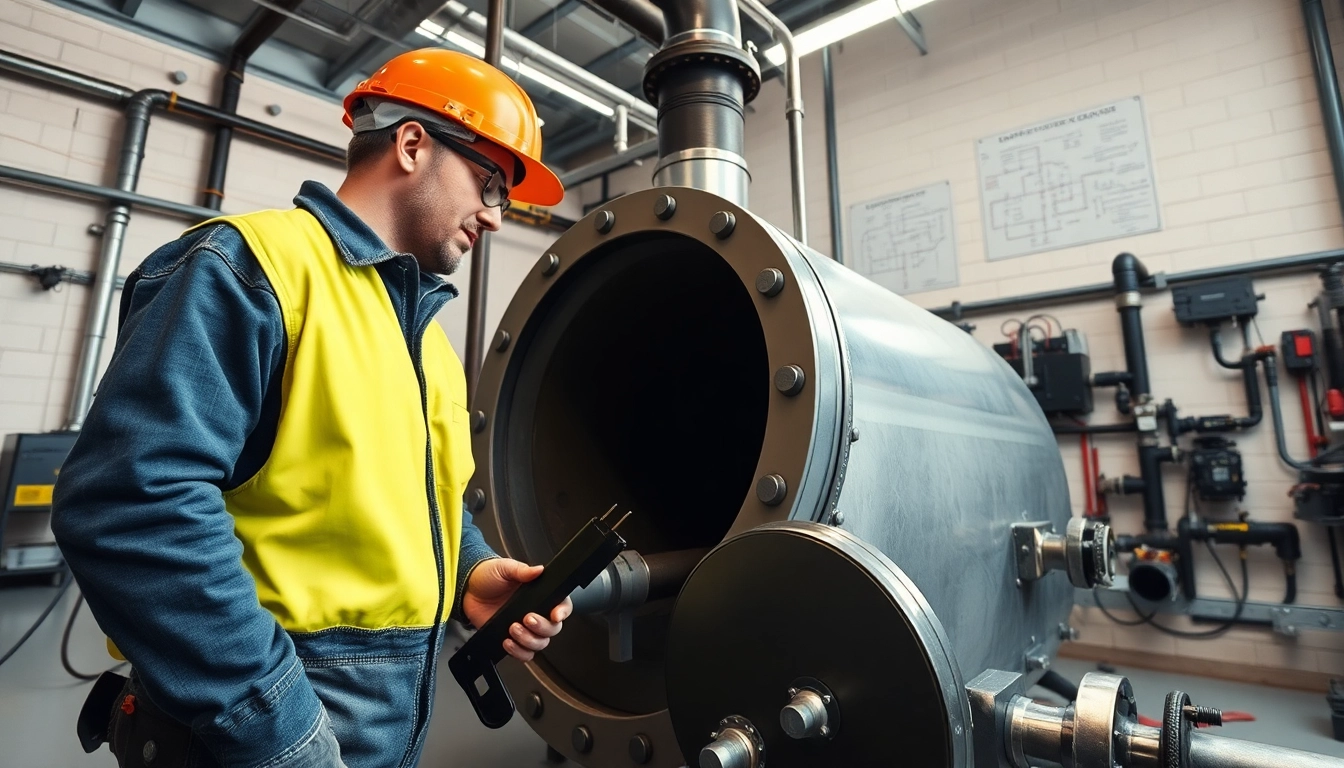
What is a Plumbing Apprenticeship?
Definition and Importance
A plumbing apprenticeship is a structured program that combines classroom instruction with hands-on training in the plumbing trade. This essential training allows aspiring plumbers to gain the necessary skills and knowledge required to succeed in an ever-evolving industry. The program not only imparts technical expertise but also emphasizes the importance of safety and adherence to regulations.
Understanding plumbing apprenticeship is crucial for anyone interested in entering this field. It serves as a gateway to a fulfilling career offering both personal and financial rewards. With a shortage of skilled tradespeople in many regions, the demand for qualified plumbers continues to grow, making an apprenticeship particularly relevant.
How It Works
Plumbing apprenticeships typically last between three to five years, depending on local regulations and the complexity of the training program. During this period, apprentices work under the supervision of licensed plumbers, gaining practical experience while attending classes. The curriculum is often a mix of theoretical knowledge, such as plumbing codes and systems, and practical skills like installation and repair techniques.
The combination of on-the-job training and classroom instruction ensures that apprentices are well-rounded and prepared to handle real-world plumbing challenges upon completion of the program.
Key Benefits of Plumbing Apprenticeship
- Hands-On Learning: Apprentices gain practical experience in real-world settings, making them more job-ready than those who only take courses.
- Earn While You Learn: Many apprenticeship programs offer a stipend or hourly pay, allowing individuals to support themselves while gaining skills.
- Job Security: With a growing demand for plumbers, completing an apprenticeship can lead to stable employment.
- Networking Opportunities: Apprentices often build connections within the industry, opening doors for future job prospects.
- Career Advancement: Apprenticeships provide a pathway to further certifications and specialized roles within the plumbing industry.
Skills and Qualifications Required
Educational Background
To enroll in a plumbing apprenticeship, candidates typically need a high school diploma or GED. Basic mathematical proficiency is essential, as plumbing involves measurements and calculations. Additionally, some apprenticeships may prefer candidates who have completed vocational training in plumbing or related fields, although this is not always necessary.
Essential Technical Skills
Successful plumbers must possess a variety of technical skills, including:
- Pipe Installation and Repair: Understanding how to install and fix various types of piping systems.
- Knowledge of Plumbing Codes: Familiarity with local and national plumbing regulations.
- Pipefitting: The ability to fit and assemble piping systems for water and waste management.
- Installation of Fixtures: Knowledge in fitting sinks, showers, toilets, and other plumbing fixtures.
Soft Skills for Success
Technical skills alone do not guarantee success in plumbing. Soft skills play a crucial role as well. Essential soft skills include:
- Communication: The ability to explain complex plumbing issues to customers and coworkers.
- Problem-Solving: Diagnosing issues and developing effective solutions on the spot.
- Attention to Detail: Precision in measurements and installations to avoid costly mistakes.
- Time Management: Effectively managing one's time to handle multiple tasks or jobs efficiently.
Finding a Plumbing Apprenticeship
Where to Look for Programs
Finding a plumbing apprenticeship begins with thorough research. Here are some tips on where to look:
- Trade Schools: Many vocational and trade schools offer plumbing programs and can help connect students with apprenticeship opportunities.
- Union Programs: Local labor unions often sponsor apprenticeship programs that provide extensive training and job placement.
- Online Platforms: Websites specializing in job listings can provide information about available apprenticeships in your area.
- Networking: Talking to current plumbers or professionals in the field can lead to recommendations.
Application Process Tips
When applying for a plumbing apprenticeship, candidates should focus on the following:
- Resume/Cover Letter: Craft a professional resume highlighting relevant skills and coursework. Customize your cover letter to each program.
- Education: Mention any relevant courses or certifications related to plumbing or technical skills.
- References: Provide references from teachers, employers, or professionals who can vouch for your skills and work ethic.
Interviewing for Apprenticeships
The interview process is an opportunity to demonstrate not only your qualifications but also your passion for plumbing. Here are some effective strategies:
- Research: Learn about the company or apprenticeship program before the interview to demonstrate your interest.
- Prepare Questions: Prepare thoughtful questions about the program and training opportunities.
- Show Enthusiasm: Express your eagerness to learn and grow within the plumbing field.
What to Expect During Your Apprenticeship
Training Program Overview
During your apprenticeship, you will alternate between on-the-job training and classroom instruction. The training program typically covers various plumbing topics:
- Safety Protocols: Learning safety measures to prevent accidents.
- Blueprint Reading: Understanding technical drawings and schematics.
- Soldering and Welding: Gaining skills in connecting and sealing pipes.
- Drainage Systems: Learning to install and maintain systems for waste disposal and water flow.
Common Tasks and Responsibilities
As an apprentice, you will be responsible for various tasks, including:
- Assisting licensed plumbers with installations and repairs.
- Learning to diagnose plumbing issues and perform repairs.
- Maintaining tools and equipment to ensure a safe working environment.
- Documenting work completed and reporting to supervisors.
Challenges You May Face
While plumbing can be rewarding, apprentices may face challenges such as:
- Physical Demand: The work can be physically demanding, requiring strength and stamina.
- Complex Problem-Solving: Some plumbing issues can be complex, requiring patience and analytical skills.
- Weather Conditions: Working outdoors can be subject to weather changes, which may affect job conditions.
Career Prospects After Your Plumbing Apprenticeship
Certification and Licensing
Upon completing an apprenticeship, graduates are often eligible for certification and licensure, which may be required to legally practice plumbing in their state. This typically involves passing an exam that tests their knowledge of plumbing codes, practices, and systems.
Job Opportunities and Salary Expectations
Completing a plumbing apprenticeship opens up diverse job opportunities. Graduates can work as:
- Licensed Plumbers
- Plumbing Supervisors
- Project Managers in Plumbing Solutions
- Specialized Roles such as Pipefitters and HVAC Technicians
The salary for plumbers can vary based on location, experience, and specialization, but the potential for earning a stable income is high.
Continuing Education and Certifications
After completing an apprenticeship, plumbers can enhance their careers by pursuing further certifications in specialized fields, such as gas fitting, backflow prevention, or solar energy systems. Ongoing education not only increases practical skills but also could lead to higher earning potential and job stability.
FAQs
What is a plumbing apprenticeship?
A plumbing apprenticeship is a training program where individuals learn plumbing skills through hands-on experience and classroom education.
How long does a plumbing apprenticeship last?
Typically, a plumbing apprenticeship lasts between 3 to 5 years, depending on the program and state regulations.
What qualifications are needed for a plumbing apprenticeship?
Candidates usually need a high school diploma or GED, and essential skills like math and communication are beneficial.
Can you earn while in a plumbing apprenticeship?
Yes, apprentices are paid while they learn, typically earning a percentage of a licensed plumber's wage during the program.
What career opportunities are available after completing an apprenticeship?
Graduates can work as licensed plumbers, plumbing supervisors, or in specialized roles like pipefitting and HVAC.