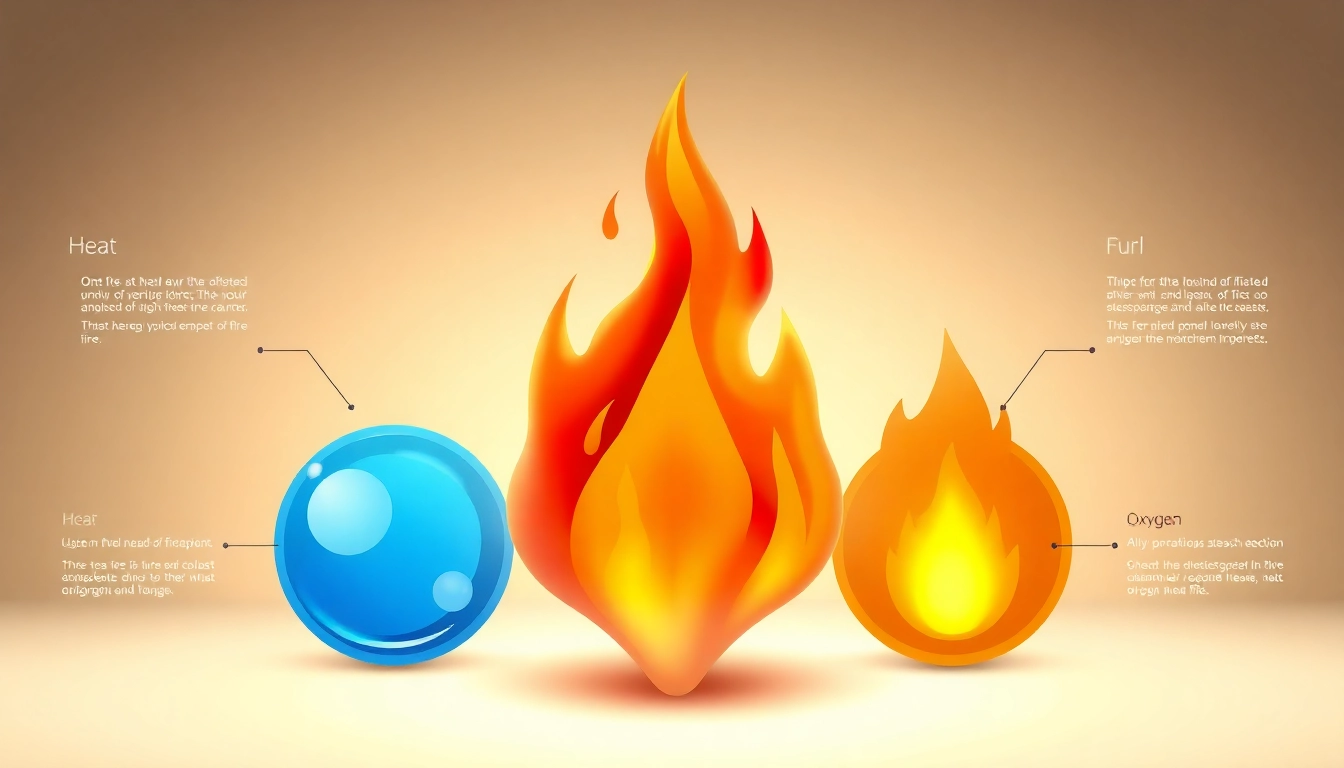
Introduction to the Fire Tetrahedron
Fire is a phenomenon that has both shaped and challenged human existence throughout history. Its power to provide heat, light, and energy has been harnessed for various uses, from cooking food to fueling industrial processes. However, fire also poses significant risks and hazards, making a comprehensive understanding of its dynamics essential for effective prevention and control. A crucial concept in fire science is the fire tetrahedron, which serves as a foundational framework for understanding the key elements required for combustion to occur.
Defining the Fire Tetrahedron
The fire tetrahedron expands upon the traditional fire triangle—comprising heat, fuel, and oxygen—by adding a fourth element: the chemical reaction. This fourth component highlights the complexity of combustion, involving not just the presence of fuel and oxygen along with sufficient heat, but also the chemical processes that occur during burning. This definition underscores the interplay between these four intrinsic elements and their contributions to fire behavior and propagation.
Historical Context of Fire Management
Understanding fire dynamics is not merely academic; it is rooted in centuries of human interaction with fire. From prehistoric times when early humans learned to control fire for warmth and protection, to modern wildfire management strategies, the evolution of fire management reflects a growing awareness of its characteristics and dangers. Firefighting technology has advanced tremendously, integrating scientific breakthroughs with practical techniques for suppression, prevention, and public safety education.
The Importance of Understanding Fire Dynamics
With wildfires becoming increasingly prevalent, knowledge of fire dynamics is vital. Fire behavior can change rapidly depending on environmental conditions, fuel types, and physical geography. Understanding the fire tetrahedron allows firefighters and safety professionals to predict and mitigate fire hazards effectively. Moreover, educating the public on fire dynamics empowers communities to adopt better safety practices and respond appropriately in emergencies.
The Four Components of the Fire Tetrahedron
Heat: The Catalyst for Combustion
Heat is essential to initiate and sustain combustion. It can come from various sources, such as friction, chemical reactions, or electrical equipment. The necessary temperature for combustion depends on the specific fuel; for instance, wood ignites at a lower temperature compared to gasoline. Understanding heat's role is critical when developing fire prevention strategies and educating stakeholders about fire hazards.
Fuel: Types and Sources
Fuel is any combustible material that can sustain a fire. It may be solid, liquid, or gas, encompassing a wide range of materials, from paper and wood to hydrocarbons and gasses like propane. The type of fuel influences fire behavior: different materials have distinct ignition points, burning rates, and smoke production levels. Identifying and managing fuel sources is a critical part of fire safety protocols, particularly in high-risk environments such as forests, industrial sites, or urban areas.
Oxygen: The Invisible Force
Oxygen, making up approximately 21% of the atmosphere, is vital for combustion. It reacts with fuel in a process known as oxidation, releasing energy in the form of heat and light. The fire tetrahedron emphasizes that for fire to ignite and continue burning, a sufficient supply of oxygen must be available. Understanding the relationship between fuel and oxygen is essential for firefighters and safety professionals, particularly in managing ventilation in structures or when combating wildfires.
How the Fire Tetrahedron Operates in Real Life
Experimental Demonstrations of Combustion
Conducting controlled experiments to demonstrate combustion can elucidate how the fire tetrahedron functions in real life. A simple experiment might involve using a candle or a Bunsen burner. Observers can note how removing one component—like oxygen with a glass jar or extinguishing the flame with water—immediately extinguishes the fire. These demonstrations can be valuable tools in educational settings, helping learners visually grasp the concepts of fire behavior and control methods.
Case Studies: Fire Incidents and Analysis
Analyzing historical fire incidents provides critical lessons in fire dynamics and prevention. One notable case is the Great Chicago Fire of 1871, which not only devastated vast areas of the city but also resulted in changes to building codes and fire safety regulations. Investigating such incidents through the lens of the fire tetrahedron reveals how factors like fuel load, heat sources, and oxygen availability contributed to the disaster. Such analyses can inform better practices in fire prevention and response to prevent similar tragedies.
The Role of Education in Fire Safety
Education is paramount in fostering fire safety awareness. By integrating the concepts of the fire tetrahedron into educational curricula, communities can enhance their understanding of fire risks and management techniques. Schools, workplaces, and community organizations can offer training sessions and workshops on fire safety to instill the fundamental knowledge of combustion in everyone. This proactive approach helps people recognize potential hazards and take appropriate actions during fire emergencies.
Fire Prevention Strategies Linked to the Fire Tetrahedron
Eliminating Heat Sources
Preventing fires effectively involves identifying and eliminating heat sources that could ignite combustible materials. In industrial settings, for instance, maintaining proper electrical systems, using heat-resistant materials, and adhering to machinery maintenance schedules are critical strategies. This preemptive approach minimizes the risk of unintentional ignition, especially in environments with flammable substances.
Proper Storage of Fuels
Storage practices for fuels are imperative in fire prevention. Whether in residential or commercial settings, fuels should be stored safely in designated areas that are away from heat sources and well-ventilated. Regulations often dictate how flammable materials must be stored, emphasizing the separation of incompatible substances and routine inspections. Highlighting best practices for fuel storage mitigates risks significantly.
Ventilation and Oxygen Control
Since oxygen is necessary for combustion, controlling its availability through proper ventilation is a crucial prevention strategy. In fire-prone areas, limiting the ventilation in structures can help inhibit the spread of fire. Similarly, in environments like warehouses or factories, utilizing fire doors and emergency exits to control airflow can effectively manage fire risks. Implementing these systems can save lives and property during fire incidents.
Conclusion: Enhancing Fire Safety Awareness
Integrating Fire Tetrahedron Knowledge into Safety Protocols
The integration of fire tetrahedron knowledge into safety protocols offers a structured approach to fire risk management. Regular training for employees, establishment of clear operational procedures, and periodic fire drills ensure that all stakeholders are familiar with the dynamics of fires and the accompanying prevention and response strategies. Leveraging this knowledge fosters a culture of safety that can significantly reduce fire incidents.
The Future of Fire Safety Education
Looking ahead, the field of fire safety education is evolving with technology and research advancements. Virtual reality (VR) and simulation technologies are beginning to play critical roles in fire training, allowing users to experience realistic fire scenarios without the associated risks. Furthermore, a greater emphasis on community engagement and outreach programs will be necessary to reach wider audiences and address varying levels of fire safety awareness and readiness.
Encouraging Community Awareness and Responsibility
Communities play a vital role in enhancing fire safety through awareness and responsibility. Initiatives such as community fire drills, local fire safety workshops, and open houses at fire departments can significantly improve public understanding and preparedness for fire emergencies. By fostering an environment where fire safety is a shared responsibility, communities can effectively partake in prevention efforts, ultimately leading to safer living spaces for everyone.