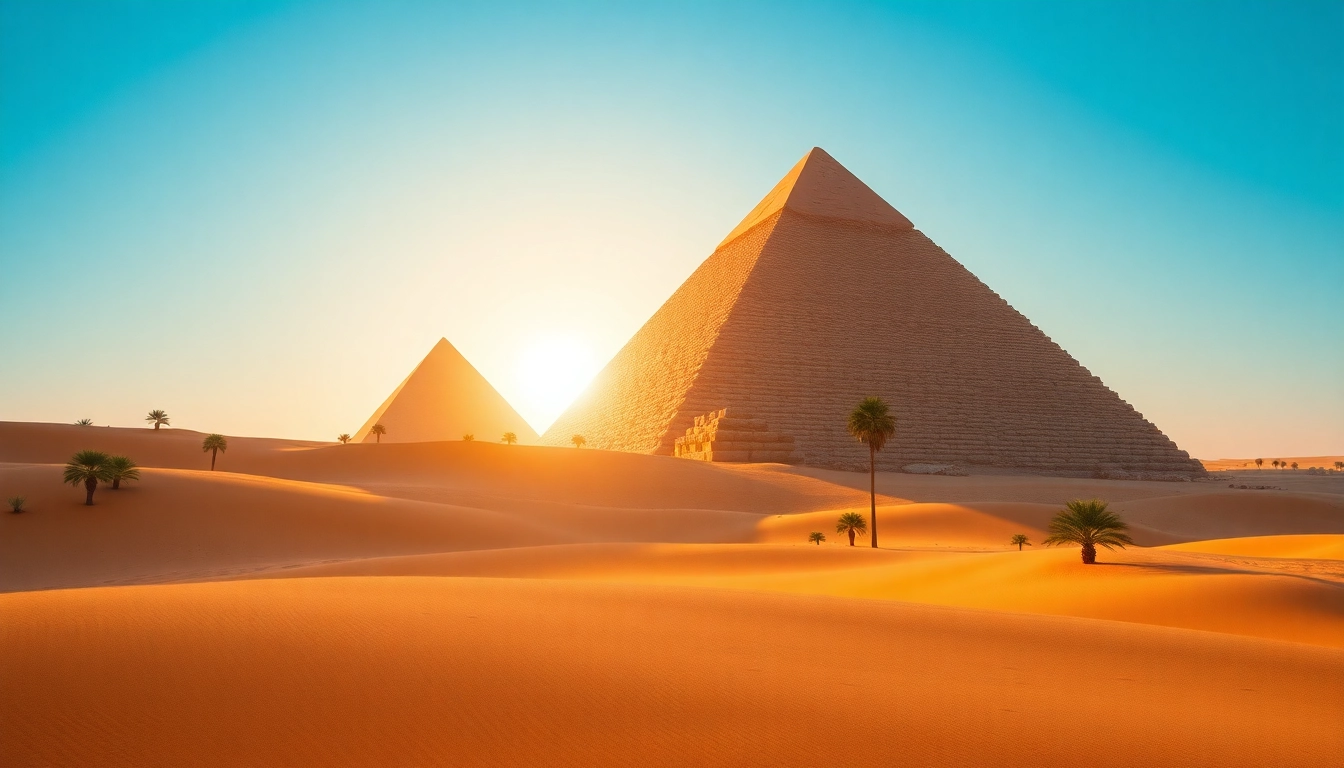
Understanding the Historical Significance of Pyramids
The magnificent structures known as pyramids are not merely ancient tombs; they are profound remnants of a rich cultural and historical legacy that shaped the identity of ancient civilizations. Among these, the pyramids of Egypt stand out, symbolizing the architectural prowess and religious beliefs rooted in the society of the time. The construction and purpose of these large stone edifices prompt endless fascination and research. To fully grasp their significance, one must explore their roles in the society, the symbolism they carry, and key historical events that unfolded around them, along with the piraminds that have captured our collective imagination.
The Role of Pyramids in Ancient Egyptian Society
Pyramids played a vital role in ancient Egyptian society as monumental tombs for pharaohs and elite individuals. They were central to the Egyptian belief in the afterlife, serving both as burial sites and as means for assisting the deceased in their transition to the next world. The pyramids were often part of a vast mortuary complex that included temples and administrative buildings, emphasizing not only the social hierarchy but also the economy of labor that sustained such monumental projects.
The construction of these structures mobilized skilled laborers, craftsmen, and thousands of workers, which reflected the organization and power of the state. Contrary to the popular belief that slaves built the pyramids, evidence suggests that these were actually employed laborers who were well-fed and housed in nearby workers’ villages.
Symbolism and Cultural Impact of Pyramids
The pyramids symbolize the ancient Egyptian belief in resurrection and immortality. Their triangular shape was thought to represent the rays of the sun, allowing the pharaoh to ascend to the heavens and join the gods. Architectural features such as the burial chamber, shafts, and encircling walls played significant roles in rituals aimed at ensuring the protection of the pharaoh’s body and possessions.
Beyond their architectural significance, pyramids have profoundly influenced art and literature throughout history, serving as a cultural touchstone that continues to inspire artists, writers, and those who study ancient civilizations.
Key Historical Events Related to Pyramids
One of the most notable historical moments tied to the pyramids is the reign of Pharaoh Khufu, who commissioned the Great Pyramid of Giza. This pyramid remains one of the Seven Wonders of the Ancient World and exemplifies the peak of pyramid construction. As significant as the periods of construction were the archaeological discoveries that followed, including artifacts within the pyramids that have provided insights into ancient Egyptian civilization, their markets, beliefs, and day-to-day life.
The ongoing archaeological endeavors around the pyramids continue to reveal new facets of their historical relevance, sparking renewed interests and studies among historians and archaeologists.
Architectural Features of Ancient Pyramids
The architectural marvels of the pyramids go beyond their imposing presence. They embody sophisticated construction techniques, intricate design details, and a testament to the innovative spirit of an ancient civilization. Each pyramid offers insights into the engineering skills and resources available to ancient Egyptians, showcasing a considerable leap in architectural practices during their time.
Construction Techniques of Pyramids
The construction techniques utilized in building pyramids are a focal point of scholarly study. Early constructions, like the Step Pyramid of Djoser, employ a series of mastabas stacked upon one another. However, perfection in the pyramid shape is most famously exemplified in the Great Pyramid at Giza, built using advanced techniques that likely included ramps for transporting blocks of stone. The placement of each stone required precision, which reflected upon the organizational capabilities and technological knowledge possessed at that time.
Contemporary theories argue about the use of sledges and lubrication methods that may have aided in transporting the heavy stones. Additionally, workers likely formed teams to achieve the taut alignment characteristic of parallel edges and consistent decline levels of pyramids.
Materials Used in Pyramid Construction
Pyramids primarily consist of limestone, granite, and locally sourced materials. The outer casing stones, often polished Tura limestone, reflected sunlight, creating a stunning visual that would dazzle onlookers. The use of granite in the interior chambers further demonstrates the ancient Egyptians' understanding of materials, allowing them to create a contrast in aesthetics and durability. Transporting these massive stones sometimes required constructing roads, which emphasizes the complexity of logistics involved in pyramid construction.
Innovations in Pyramid Design
The design of pyramids evolved significantly over time, showcasing innovations that reflected advances in architectural knowledge and religious beliefs. Architect Imhotep's design of the Step Pyramid, for instance, was a significant breakthrough from traditional mastaba structures, leading to the smooth pyramidal forms. The transition from step to true pyramids, where the sides incline evenly, demonstrated a crucial understanding of load distribution and gravity.
Later pyramids, like the Bent Pyramid and the Red Pyramid, display transitional features that illustrate an understanding of structural stability, leading to the refined geometry characteristic of the Great Pyramid. Each design choice is a narrative of experimentation and learning, revealing the ancient Egyptians' relentless pursuit of fulfilling divine and burial aspirations.
The Great Pyramids: A Closer Look
The Great Pyramids at Giza are perhaps the most iconic structures of antiquity. These colossal structures not only serve as tombs but represent the peak of pyramid construction and embody the grandeur of ancient Egyptian civilization.
Overview of the Great Pyramids of Giza
Located on the Giza plateau, the Great Pyramids include three main structures: Khufu, Khafre, and Menkaure. The Great Pyramid of Khufu, standing at a staggering height of 146.6 meters originally, is the largest and oldest. The site itself is a testament to the power of Pharaohs, who commissioned these monumental tombs with the hope of achieving eternal life. Their alignment with the cardinal points adds scientific curiosity to their construction.
Unique Characteristics of Each Great Pyramid
Each pyramid has unique traits that reflect the ambitions of its respective pharaoh. Khufu’s pyramid is distinguished by its sheer volume and complexity, featuring a sophisticated internal structure with multiple chambers and passageways. Khafre, slightly smaller yet seemingly taller due to its elevated position, retains significant casing stones at its apex, giving it a distinct appearance against the skyline. Menkaure’s pyramid, the smallest of the trio, is often overlooked but is notable for its possible inclusion of elaborate funerary artifacts.
Inside the Pyramids: Chambers and Passageways
Inside these massive structures, intricate chambers and passageways were designed not just for the burial of the deceased but also to protect against tomb robbers. The Great Pyramid of Khufu features the King's chamber, which houses the pharaoh's sarcophagus made of red granite. The richness of the burial sites was intended to accompany and sustain the pharaoh in the afterlife, further illustrating the deep-seated beliefs regarding eternity. Many passages were carefully planned to thwart potential intruders and were designed to confuse anyone attempting unauthorized access.
Modern Discoveries and Research on Pyramids
Advancements in technology have dramatically altered the landscape of our understanding regarding the construction, purpose, and history of the pyramids. Modern archaeological discoveries reveal much about the past, while new technologies allow for the exploration of previously inaccessible areas.
Recent Archaeological Findings
Recent archaeological endeavors have uncovered new chambers, artifacts, and insights into the daily lives of the workers who built the pyramids. Notable discoveries like the 'lost' pyramid chambers near Karnak reflect the adaptability and resilience of ancient Egyptian society. By employing techniques such as infrared thermography, archaeologists are unveiling hidden secrets that contribute to our understanding of pyramid construction and usage.
Technology in Pyramid Exploration
Technological advancements have revolutionized archaeological practices. Drones, ground-penetrating radar, and 3D mapping have shed light on overlooked aspects of pyramids, allowing researchers to visualize and analyze structures without the need for extensive excavation. These technologies facilitate a deeper understanding of pyramids in their broader development context within ancient Egyptian civilization.
Theories on Pyramid Construction and Purpose
Many theories surrounding the purpose and methods of pyramid construction continue to evolve. Various hypotheses explore topics ranging from astronomical alignments to possible ceremonial functions of each hue and structure. Continuous research and interdisciplinary collaboration yield fresh interpretations, ensuring that our comprehension of these monumental edifices remains dynamic and evolving.
Visiting the Pyramids: Tips and Insights
Visiting the Great Pyramids of Giza is a dream for many travelers—not only do these structures captivate with their historical aura, but they also present unique experiences worth preparation. Here, we outline essential tips for prospective visitors.
Best Times to Visit the Pyramids
The best time to visit the pyramids is during the cooler months, between October and April. During this period, the weather is pleasant, making explorations more comfortable. It is important to plan visits early in the morning or later in the afternoon to avoid peak crowds and the harsh midday sun.
What to Expect: Guided Tours vs. Solo Visits
Visitors may choose between guided tours, which offer in-depth insights from knowledgeable guides, or solo exploration for a more personal experience. Guided tours typically include comprehensive itineraries and access to key historical contexts, while solo visits allow for a more leisurely pace. Entry fees vary between options, so visitors should consider their preferences accordingly.
Cultural Etiquette When Visiting Pyramids
Observing cultural etiquette is crucial while visiting the pyramids. Dress modestly, respect local customs, and obtain permission before photographing people. Understanding and respecting historical sites contributes to a more enriching visiting experience, ensuring that the magnificence of these architectural wonders garners appreciation rather than disruption.
Frequently Asked Questions
What are the pyramids made of?
The pyramids primarily consist of limestone and granite blocks, weighing several tons each.
How were the pyramids constructed?
Construction theories include using ramps and leveraging manpower of skilled laborers and tools.
Why are the pyramids significant?
The pyramids reflect the architectural skill and cultural beliefs of ancient Egyptians regarding the afterlife.
Can you enter the pyramids?
Yes, certain pyramids allow visitors to enter, typically requiring tickets for guided access to internal chambers.
What is the best time to visit the pyramids?
The ideal visiting time is during the cooler months, from October to April, to avoid the extreme heat.