
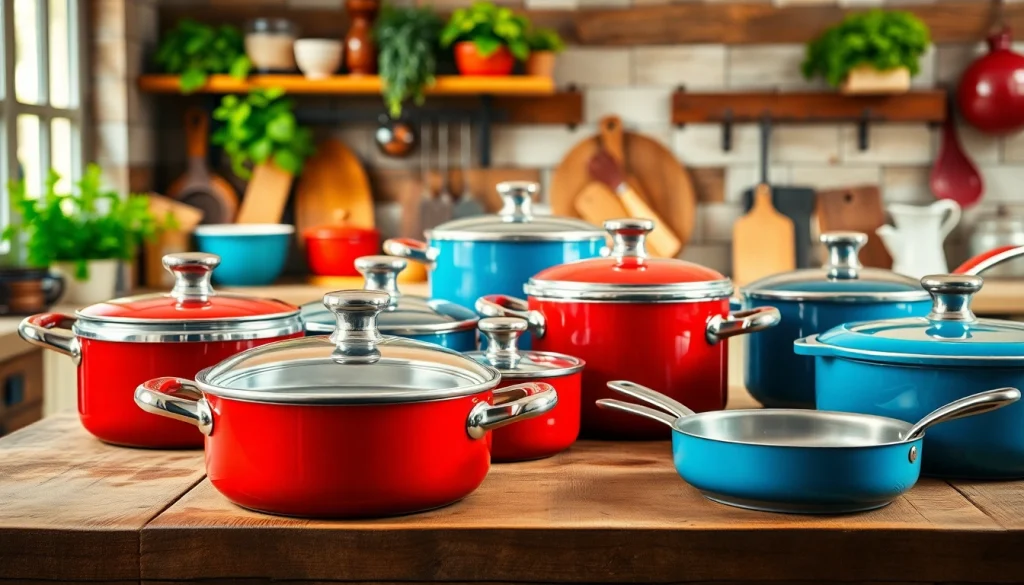
Understanding Different Types of Cookware
1. Materials Used in Cookware
Cookware comes in various materials, each offering unique advantages and disadvantages. Understanding these materials is crucial for choosing the right cookware for your kitchen needs. Here’s a breakdown of some popular materials:
- Stainless Steel: Renowned for its durability and resistance to rust and staining, stainless steel cookware is a favorite among professional chefs. It provides even heat distribution when used with an aluminum or copper core. However, it is not non-stick, so proper cooking techniques with added fats are essential.
- Non-Stick: Frying pans made with non-stick coatings simplify cooking and cleaning. These pans require less oil and are perfect for delicate items like eggs and pancakes. However, non-stick cookware should not be heated too high, as it can damage the coating.
- Cast Iron: A timeless choice for its heat retention and even cooking, cast iron cookware is excellent for searing, braising, and baking. It needs special care, including seasoning and proper cleaning, to maintain its non-stick properties and avoid rusting.
- Copper: Renowned for its exceptional thermal conductivity, copper cookware heats up quickly and uniformly. It is often lined with stainless steel to prevent reactions with food. Although expensive, its performance can justify the price for serious cooks.
- Glass: Glass cookware is perfect for baking and storing food. It’s non-reactive and allows you to monitor cooking without lifting the lid. However, it can be more fragile than other materials.
2. Choosing Cookware Based on Your Cooking Style
Your cooking style directly influences the type of cookware you should invest in. Here are some considerations to help guide your decision:
- If You’re a Baker: Look for quality baking trays, cake pans, and muffin tins made from materials like glass or durable metal, which can withstand oven temperatures.
- If You Fry Often: Non-stick frying pans or skillets are essential, as they make cooking eggs and pancakes a breeze while minimizing clean-up.
- If You Love Stews and Soups: A good stockpot or dutch oven made of heavy-duty materials like cast iron or stainless steel is highly recommended for slow-cooking.
- If You’re a Health-Conscious Cook: Opt for non-toxic non-stick or stainless steel options, which require less oil and fat for cooking, making healthier meals.
3. Lifespan and Care of Cookware
The longevity of cookware is influenced by its material and how well you care for it. Here are tips to extend the life of various types of cookware:
- Stainless Steel: Clean with gentle dish soap and avoid scratching the surface. For tough stains, baking soda paste can help.
- Non-Stick: Use silicone or wooden utensils to prevent scratching. Avoid high heat and always hand wash.
- Cast Iron: Season it regularly and avoid soaking in water. Dry it immediately to prevent rust.
- Copper: Polish it periodically and avoid using abrasive cleaners that can scratch the surface.
Why Shopping Locally in Auckland Matters
1. Supporting Local Businesses
When you choose to shop at a cookware shop Auckland, you are supporting local businesses that contribute to the economy. These businesses often offer unique products that reflect the culture and needs of the community, ensuring that your purchase supports local artisans and retailers.
2. Benefits of In-Person Shopping
Shopping in person allows you to experience products before buying. You can feel the weight of a pan, check the ergonomics of handle designs, and gauge the quality of materials. Moreover, in-person shopping often provides access to knowledgeable staff who can offer insights and recommendations based on your specific cooking needs.
3. Local Promotions and Discounts
Local cookware shops frequently hold promotions that are exclusive to in-store customers. Whether it’s a seasonal sale or clearance items, shoppers can often find great deals that are not available online. Additionally, buying locally means you can benefit from loyalty programs or insider discounts that enhance your shopping experience.
Essential Cookware Items for Every Kitchen
1. Must-Have Pots and Pans
No kitchen is complete without a set of essential pots and pans. Here are key items to consider:
- Skillet: A versatile non-stick or stainless steel skillet is integral for a variety of cooking methods, from frying to sautéing.
- Stockpot: Perfect for making soups, stews, or boiling pasta, a large stockpot is a necessity for larger meals.
- Saucepan: A medium-sized saucepan is great for heating sauces, cooking grains, or preparing smaller batches of food.
- Dutch Oven: Ideal for slow cooking, braising, and baking, dutch ovens excel at retaining heat.
2. Specialty Cookware for Diverse Cuisines
Depending on your culinary interests, you may want to expand your collection of cookware to accommodate various cuisines:
- Wok: Essential for stir-frying, a wok’s round bottom allows for high-heat cooking and even distribution.
- Tagine: For Moroccan cuisine, a tagine pot provides an optimal cooking environment for slow-roasting meats and vegetables.
- Casserole Dish: Perfect for baking layered dishes, a durable casserole dish can go from oven to table.
3. Eco-Friendly Cookware Options
As sustainability becomes a priority for more consumers, eco-friendly cookware options are gaining popularity. Consider these alternatives:
- Cast Iron: Naturally non-stick when seasoned properly, cast iron lasts a lifetime and can be passed down through generations.
- Organic Ceramic: Free from harmful chemicals, ceramic cookware is safe for health-conscious cooks and often requires less oil.
- Bamboo Cookware: A renewable resource, bamboo utensils and serving dishes are biodegradable and environmentally friendly.
How to Identify Quality Cookware
1. Key Features to Look For
Identifying quality cookware can be daunting with the myriad options available. Here are essential features to consider:
- Construction: Look for cookware with heavy, even bases. Quality cookware typically offers layered construction for better heat distribution.
- Handles: Ergonomically designed handles that are heat resistant offer safety and comfort during use.
- Compatibility: Ensure pots and pans are compatible with your cooking surface, whether it’s electric, gas, or induction.
2. Brand Reputation and Reviews
Before purchasing, check brand reputation through expert reviews and user feedback. Brands with a solid history of manufacturing high-quality items can often be trusted. Look for cookware that has garnered positive reviews and ratings from actual users.
3. Warranties and Guarantees
Investing in cookware comes with a range of price points, so select products that offer warranties as a safeguard against defects. Limited lifetime guarantees indicate a manufacturer’s confidence in their product quality.
Shopping Tips for the Best Deals in Cookware Shops
1. Timing Your Purchases
Shopping during seasonal sales can lead to significant savings. Keep an eye on holiday promotions or end-of-year sales to snag high-quality cookware at discounted rates.
2. Online vs In-Store Deals
While online shopping offers convenience, in-store shopping can provide opportunities for additional savings through immediate offers or discounts on bundled sets. Compare prices to ensure you’re getting the best deal.
3. Comparing Products Before Buying
Evaluate different brands and products by inspecting features, prices, and warranties. Don’t hesitate to ask for recommendations from knowledgeable staff at local shops; they can provide valuable insights that can guide your purchasing decision.