
Understanding Oil Drain Pan Types
Plastic vs. Metal Oil Drain Pan
When selecting an Oil Drain Pan, one of the primary decisions to make is whether to choose a plastic or metal variant. Both materials have their own advantages and disadvantages that cater to different user needs. Plastic oil drain pans tend to be lighter, making them easier to handle and transport, especially when they are full. They are also resistant to corrosion and can handle the harsh chemicals present in used oil. However, they may be more susceptible to damage from heat or heavy impacts compared to metal pans.
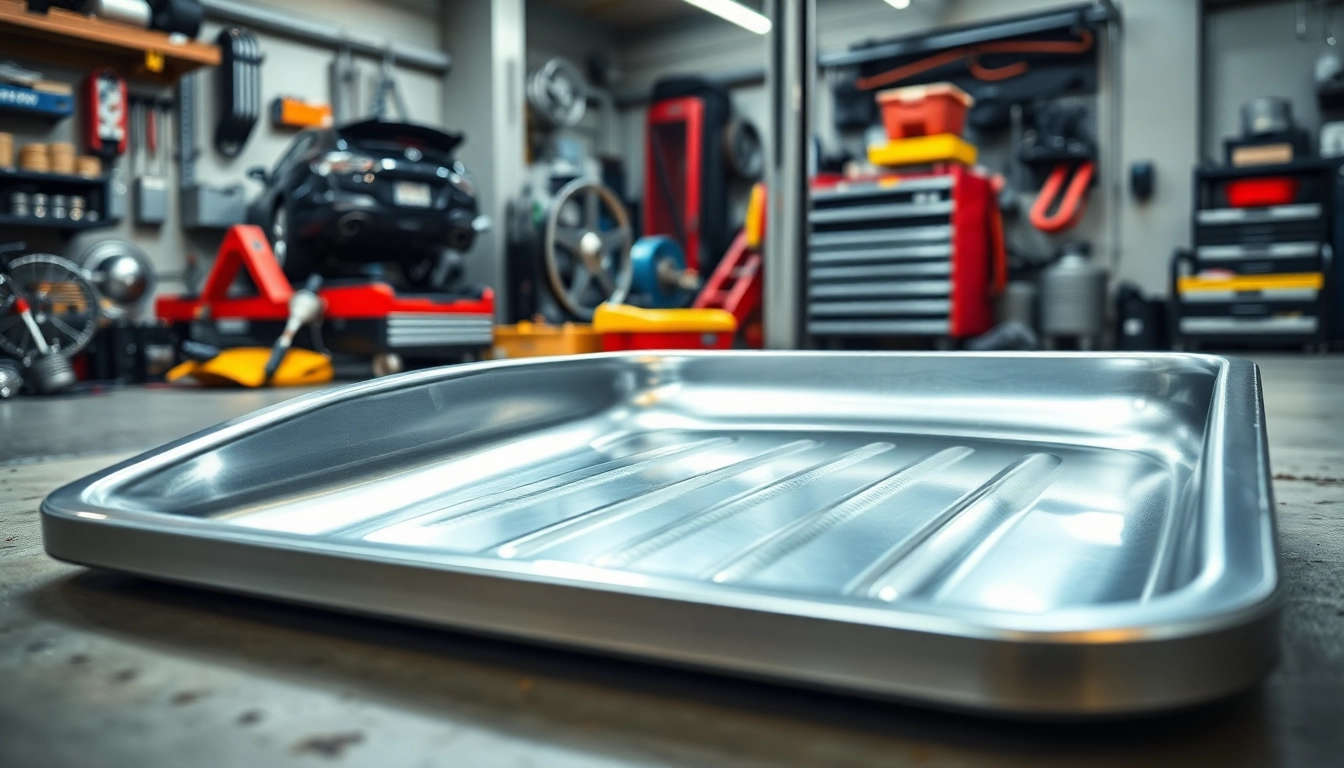
Metal oil drain pans, on the other hand, often offer superior durability. They can withstand higher temperatures without warping, making them a go-to choice for professionals who perform oil changes on vehicles more frequently. Metal pans may also have a longer lifespan, which can be a significant factor for users who value long-term investment. Yet, they are typically heavier and might be more cumbersome to lift when full. Understanding these distinctions makes it easier for users to choose the right type of oil drain pan for their specific needs.
Size Variations: Choosing the Right Fit
Choosing the right size for an oil drain pan is crucial for efficiency and minimizing spills. Oil drain pans come in various capacities, typically ranging from 2 to 10 quarts, or even more for industrial-sized options. A smaller pan may suffice for lawnmower maintenance or small vehicles, while larger capacities are beneficial for full-sized cars and trucks. When selecting a size, consider the volume of oil you expect to drain.
Additionally, consider the design of the pan. Some larger models are designed to accommodate multiple oil changes before needing to be emptied, which can save time during routine maintenance tasks. Conversely, smaller pans may be more convenient for occasional use or smaller vehicles without compromising on usability. Ultimately, having the right size ensures effective oil collection without unnecessary mess or hassle.
Special Features: Valves and Pour Spouts
Modern oil drain pans often come equipped with various special features that enhance usability. Valves are one of those features, allowing for easy and controlled oil transfer into containers without spilling. This feature can be particularly advantageous for those who are less experienced with oil changes, as it minimizes the risk of hazardous spills.
Pour spouts serve a similar purpose, providing a convenient way to empty the pan once it’s full. Some pans offer a combination of both features, which can significantly streamline the oil changing process. When selecting an oil drain pan, consider these features as critical elements that can improve the user experience and reduce risks associated with oil spills and environmental contamination.
Essential Benefits of Using an Oil Drain Pan
Preventing Spills and Mess
One of the main benefits of utilizing an oil drain pan is the prevention of spills and consequent mess. When performing an oil change, the risk of spilling used oil can lead to considerable cleanup efforts, not to mention potential environmental violations. An oil drain pan effectively collects oil as it drains from the engine or other machinery, significantly mitigating the risk of a messy situation. Furthermore, using a designated container helps keep your workspace organized and free of hazardous substances, ultimately enhancing safety during maintenance tasks.
Environmental Considerations
Environmental protection is a critical concern for anyone involved in vehicle maintenance. An effective oil drain pan allows for the safe collection and storage of used motor oil, which can be hazardous to the environment if not disposed of correctly. By facilitating proper storage for used oil, users are more likely to take the necessary steps to recycle or dispose of it responsibly, thereby reducing pollution and conserving resources. This environmental consciousness can further improve a person’s reputation as a responsible vehicle owner.
Cost-Effectiveness of Proper Maintenance
Investing in an oil drain pan can also prove to be a cost-effective decision in the long term. Regular oil changes are essential for maintaining the health of your vehicle, which can help prevent more costly repairs down the line. By facilitating efficient oil changes, an oil drain pan can enable users to perform maintenance tasks on their own, thus saving on labor costs. Furthermore, it can empower users to keep an eye on the condition of their oil, leading to timely changes and improved vehicle performance.
Best Practices for Handling Oil Drain Pan
Safe Oil Disposal Guidelines
Proper disposal of used oil is crucial to environmental health. When your oil drain pan fills up, it’s essential to transfer the used oil into a secure container for transport. Many auto parts stores and recycling centers accept used oil. Additionally, municipalities often provide guidelines for oil disposal. Always consult your local regulations to ensure that you’re compliant with environmental standards. Never dispose of oil down drains, in landfills, or in general trash, as this can lead to severe environmental consequences.
Regular Cleaning and Maintenance Tips
Maintaining your oil drain pan is undeniably essential for its longevity and performance. After each use, it’s advisable to clean the pan thoroughly. Rinse it with warm, soapy water and allow it to dry completely before storing. If any residue remains, it can lead to contamination in future oil changes. Regular inspections can help pinpoint any cracks or deformities, especially in plastic models. By ensuring the pan is in optimal condition, you maintain its effectiveness and reliability.
How to Avoid Common Mistakes
Common mistakes when using an oil drain pan can lead to inefficiencies or spills. For instance, failing to properly seat the pan under the oil drain plug can lead to messy accidents. Additionally, not allowing enough time for the oil to completely drain can cause premature sealing and leaks. Avoid rushing the process; take your time to ensure that everything is in place. Lastly, ensure that you use the right size pan for the task at hand, as this can make a significant difference in ease and effectiveness.
Oil Drain Pan Selection Criteria
Assessing Material Durability
The durability of an oil drain pan is a key factor to consider during selection. For instance, metal pans are generally more resistant to damage from heat and impact compared to their plastic counterparts. However, the latter can often resist corrosion better. Assess your usage patterns—if you work in a professional setting where wear and tear are at their peak, a heavier-duty metal option may be more suitable. Conversely, for home use, a lightweight plastic pan can suffice, provided it meets your oil capacity needs.
Evaluating Capacity Needs
The capacity of the oil drain pan must align with your regular maintenance needs. For standard cars, a capacity of around 5 quarts is typically sufficient, while larger vehicles may necessitate a pan that can hold upwards of 8 quarts. If you frequently work on multiple vehicles or do extensive servicing, consider a larger pan with higher capacity to facilitate multiple oil changes without interruption.
Understanding User Reviews and Ratings
Before making a purchase, it’s advisable to look at user reviews and ratings. Insights from other users can shed light on a product’s reliability, functionality, and potential issues. Websites and forums dedicated to automotive maintenance can provide real-time feedback on different oil drain pans. Pay attention to reviews that highlight both pros and cons to arrive at an informed decision.
FAQs about Oil Drain Pan
What is an oil drain pan used for?
An oil drain pan is designed for catching and storing used motor oil during oil changes and maintenance procedures.
How do I clean an oil drain pan?
To clean an oil drain pan, empty it and rinse it with warm, soapy water, followed by thorough drying.
Can I use a plastic oil drain pan?
Yes, plastic oil drain pans are lightweight and resistant to corrosion, making them suitable for oil changes.
How do I dispose of oil properly?
Used oil should be taken to a recycling center or an auto parts store that accepts oil for safe disposal.
What features make an oil drain pan effective?
Effective oil drain pans typically include a sturdy construction, spill-proof design, and convenient pouring spouts.