
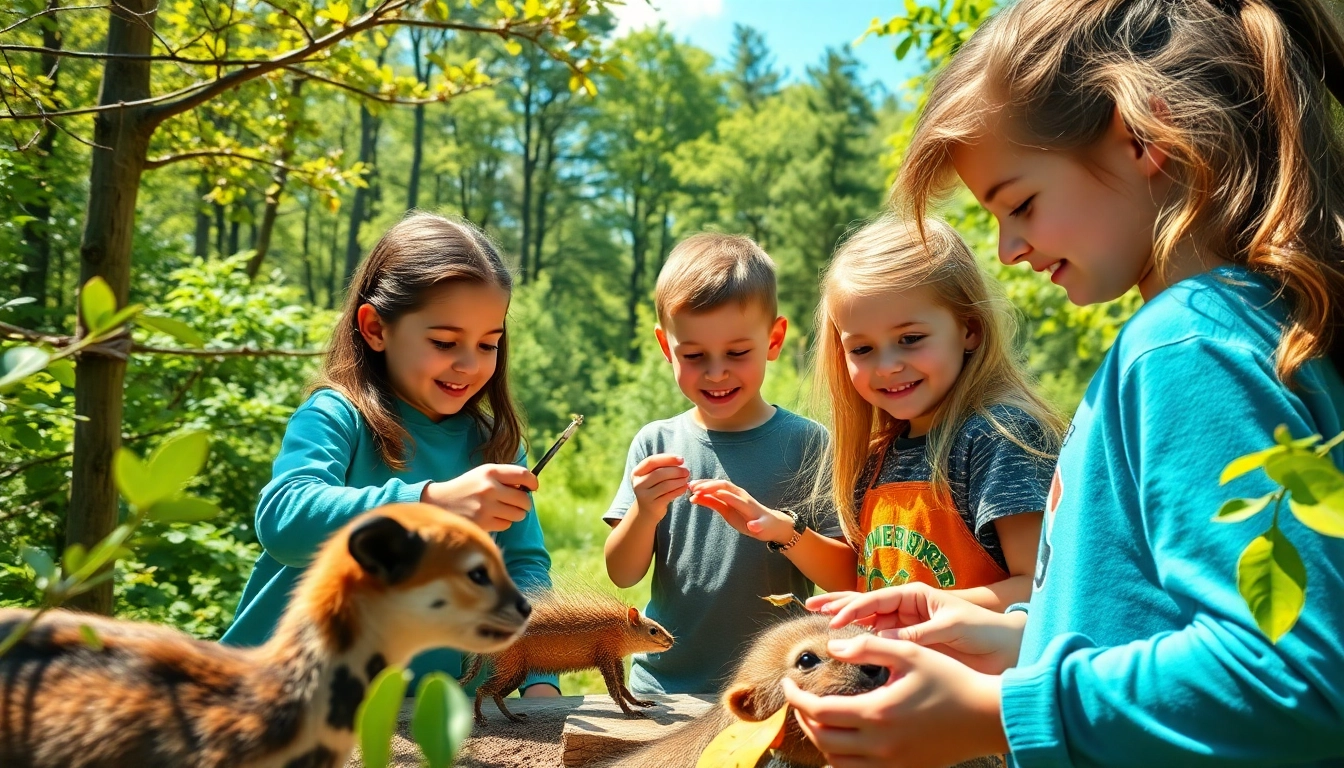
Introduction to Science and Nature Camp
The science and nature camp is an enriching experience for children eager to explore the wonders of the natural world while engaging in scientific discoveries. These camps offer a unique environment for learning, where traditional education meets outdoor adventure. They combine hands-on activities with the beauty of the outdoors, fostering a strong connection between kids and nature. The demand for such camps is growing, as parents recognize the importance of experiential learning in cultivating curious minds and informed citizens.
What to Expect from the Science and Nature Camp
Children attending a science and nature camp will have the opportunity to immerse themselves in a variety of activities. They can expect a well-structured program that includes scientific experiments, nature exploration, and creative projects. Each day might begin with a nature walk, where campers can observe wildlife and learn about local ecosystems. Following this, hands-on experiments using everyday materials can help them understand core scientific concepts. The goal is to inspire kids to think critically and creatively while nurturing their inherent curiosity about the world around them.
The Importance of Nature in Education
Education is not merely confined to classrooms or textbooks. Incorporating nature into learning encourages children to apply theoretical knowledge in practical scenarios. Research indicates that time spent outdoors not only boosts cognitive function but also enhances creativity. Studies show that students engaged in nature-based learning demonstrate improved focus, reduced stress levels, and greater levels of engagement in their studies. By fostering a love for the environment and understanding ecological principles, these camps help build a generation that values sustainability.
Unique Features of Science and Nature Camps
Every science and nature camp incorporates distinct elements that set them apart from traditional camps. One unique feature is the blend of hands-on science education with environmental stewardship. Campers might participate in citizen science projects, such as tracking local flora and fauna, which contributes to real-world research while making learning fun. Additionally, many camps emphasize creativity, allowing children to express their newfound knowledge through arts and crafts, inspired by their experiences outdoors. The combination of learning and exploration fosters a holistic educational experience.
Activities Offered at Science and Nature Camp
Hands-On Science Experiments
One of the cornerstones of a robust science and nature camp is the hands-on scientific experiments. Children will engage in various activities such as building simple machines, conducting chemical reactions with safe household ingredients, or exploring physics through water-based projects, like building boats or rafts. These activities are designed to instill fundamental scientific concepts while encouraging critical thinking and problem-solving skills. When children interact with science practically, they retain information more effectively, making learning both enjoyable and impactful.
Outdoor Exploration and Wildlife Observation
Outdoor exploration is another critical aspect of the camp experience. Campers journey into local parks, nature reserves, or beaches to observe wildlife in its natural habitat. Equipped with magnifying glasses and binoculars, children learn to identify various species of plants, animals, and insects. Local experts may lead these excursions, providing insights and answering questions, enriching the learning experience. These outdoor adventures are not only fun but teach important skills like navigation, field observation, and an appreciation for biodiversity.
Creative Arts Projects Inspired by Nature
Creativity flows naturally when children are inspired by their surroundings. Camps often incorporate arts and crafts projects that connect directly with the nature they explore. This could include creating nature journals where they document their findings, or making art using natural materials such as leaves, twigs, and stones. Such projects encourage self-expression and enable campers to reflect on their experiences and discoveries. By using materials from the environment, children also develop a strong sense of environmental stewardship and learn about the importance of sustainability.
Benefits of Attending a Science and Nature Camp
Promoting Environmental Awareness
Attending a science and nature camp encourages profound environmental awareness among youth. As campers learn about ecosystems, conservation efforts, and the impacts of human activity on the environment, they become advocates for sustainable practices. Awareness initiatives might support local conservation projects, instilling a sense of responsibility regarding environmental stewardship. By fostering this understanding, we are nurturing future leaders who prioritize the wellbeing of our planet.
Fostering Curiosity and Critical Thinking
At the heart of science education is the spirit of inquiry. Science and nature camps provide a platform for children to ask questions, explore hypotheses, and test theories. They learn to approach problems with curiosity and engage in discussions that promote critical thinking. For example, a simple question about why leaves change color can lead to explorations in biology and chemistry, giving campers a genuine sense of discovery and engagement that lasts far beyond their time at camp.
Building Social Skills and Teamwork
Science and nature camps provide ample opportunities for children to develop social skills and learn the value of teamwork. Group activities, such as collaborative experiments, nature hikes, or art projects foster communication and cooperation among campers. These interactions help children cultivate friendships and learn how to work well with others, skills that are essential for personal and academic success. Learning to collaborate in a fun and engaging environment might encourage future leadership qualities and a sense of community responsibility.
How to Choose the Right Science and Nature Camp
Key Factors to Consider
When selecting the ideal science and nature camp for your child, several factors come into play. Consider the age appropriateness of the camp’s curriculum, as well as the camp duration and schedule. Flexibility is crucial, especially for families balancing work and other commitments. Furthermore, assess the camp’s safety measures, such as counselor-to-camper ratios, first-aid training, and general emergency protocols. Look for camps that are accredited or have positive reviews from previous attendees about their experiences.
Understanding Camp Philosophies
Different camps adopt unique philosophies about education and nature. Some may emphasize structured academic lessons, while others focus more on free exploration and unstructured play. Determine which philosophy aligns with your child’s learning style and preferences. It is essential to find a camp that resonates with your child’s interests and personality, whether it leans towards rigorous science education or hands-on, exploratory learning.
Finding Camps Near You
To find a reputable science and nature camp nearby, use local resources such as community boards, school newsletters, or online directories. Websites dedicated to educational and recreational programs may provide listings of available camps along with reviews and descriptions. Additionally, local nature centers or educational institutions often host or partner with camps, giving parents access to quality programs. Reach out to friends and neighbors for recommendations and consider visiting the camps’ open houses or information sessions to gauge the environment and program suitability.
FAQs About Science and Nature Camp
What age group is suitable for science and nature camp?
Science and nature camps typically cater to children aged 5 to 17. Programs are often tailored to specific age groups to enhance engagement and learning.
Are there any age restrictions for participation?
While most camps welcome a wide range of ages, specific programs may have set age limits to ensure safety and age-appropriate activities.
What safety measures are in place at science and nature camps?
Camp safety often includes trained staff, emergency protocols, and health guidelines. Camps ensure proper supervision, access to first aid, and adherence to safety regulations.
How do I prepare my child for science and nature camp?
Prepare your child by discussing what to expect, visiting the camp beforehand if possible, and ensuring they have all necessary supplies. Encourage them to ask questions and express any concerns.
What should campers bring to the science and nature camp?
Pack essential items like sunscreen, water bottles, snacks, a hat, and appropriate clothing for outdoor activities. Check with the camp for a complete list of required supplies.