Understanding the Cape Cod Home Style
Historical Background of Cape Cod Homes
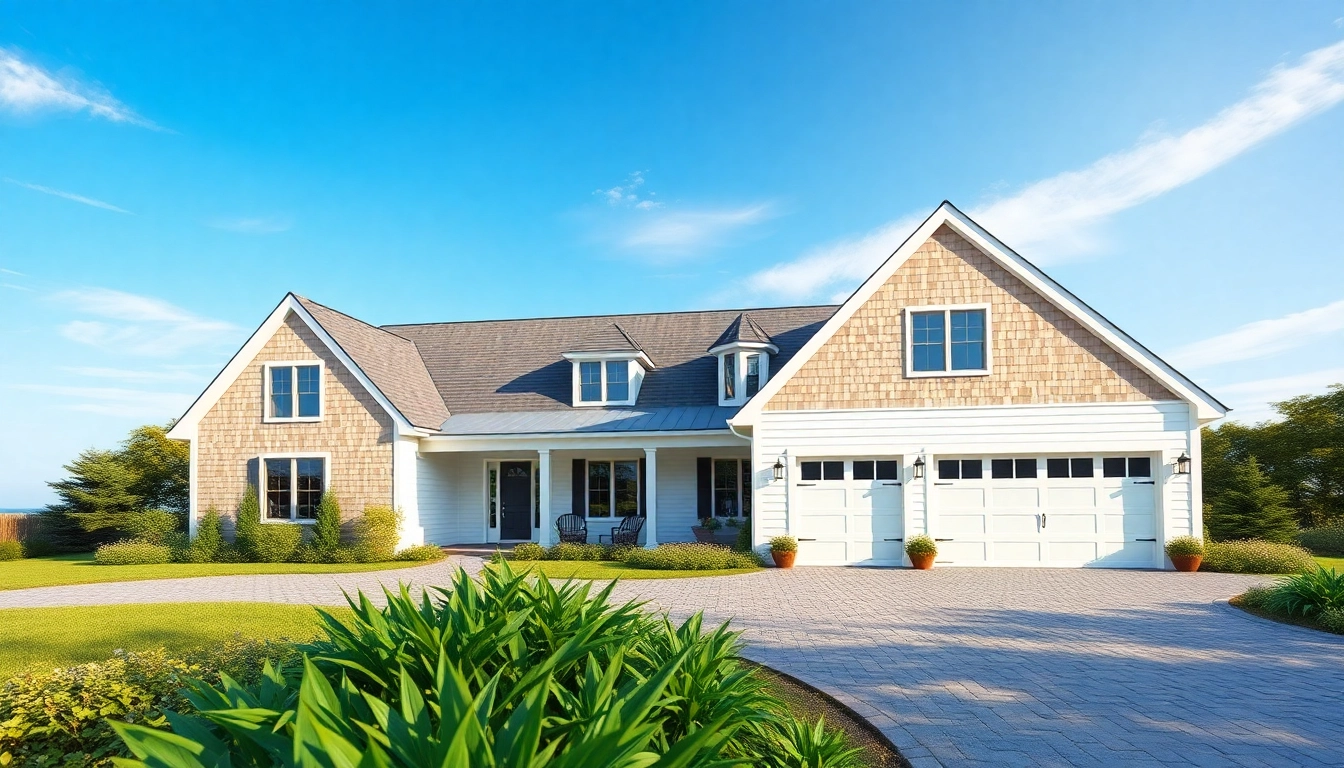
The origins of the cape cod home style trace back to the 17th century, embodying the simplicity and practicality that was essential for early settlers in New England. Crafted to withstand harsh weather while providing comfort, these homes originally featured steep roofs, dormer windows, and clapboard siding. Their design was a melding of influence from early colonial settlers and adaptations to the coastal environment, designed to efficiently funnel snow and withstand storms.
Main Architectural Features
Characteristic elements of Cape Cod homes include:
- Steep Roofs: A defining feature that aids in snow shedding.
- Symmetrical Facades: Often with a central front door and equally spaced windows.
- Dormer Windows: These add character while providing additional light and space in the attic.
- Clapboard Sidings: Typically painted in soft, coastal colors to blend with the scenery.
- Fireplaces: Large central hearths served as the home’s primary source of heat.
Modern Adaptations of the Style
In recent decades, architects have embraced the Cape Cod aesthetic, integrating these traditional elements with contemporary features. Innovations include open floor plans, larger windows for natural light, and enhanced energy efficiency. It’s common to see extensions of living spaces that embrace outdoor views, merging indoor and outdoor living while maintaining the essence of the cape cod home.
Designing Your Cape Cod Home Expansion
Considerations for Space and Aesthetics
When planning your home expansion, balancing functionality with aesthetic appeal is paramount. Considerations include:
- Flow: Ensure that the new space harmonizes with the existing layout.
- Style Cohesion: Additions should reflect the architectural features of the original home to maintain aesthetic integrity.
- Natural Light: Incorporating large windows or sliding doors to create bright and inviting spaces.
Permits and Regulations
Before breaking ground, check local zoning laws and building codes. Obtaining the necessary permits ensures your expansion adheres to regulations for safety and property value. Consult with local authorities and potentially hire a professional to navigate the complexities of the permit process.
Choosing Quality Materials
Selecting materials to complement your Cape Cod home expansion is crucial. Opt for high-quality options that reflect the traditional style, such as cedar shingles or clapboard siding. Ensure that the materials are durable against coastal weather to prolong the life of your addition while maintaining its charm.
Integrating an Attached Garage
Benefits of an Attached Garage
Integrating an attached garage into your Cape Cod home can yield many benefits, including:
- Convenience: No need to brave the elements when loading groceries or heading out.
- Enhanced Security: Vehicles are protected from theft and harsh weather.
- Increased Home Value: A well-designed garage addition can improve your property’s marketability.
Design Options for Garage Integration
When designing an attached garage, aim for a seamless look that complements your home’s architecture. Options may include:
- Matching Rooflines: Ensure the garage roof integrates visually with your home’s roof to avoid jarring contrasts.
- Window Placement: Mimicking the style of existing windows enhances the visual flow.
- Color Scheme Consistency: Use the same or complementary colors to unify the garage with the overall home palette.
Maximizing Functionality and Storage
To maximize the functionality of your attached garage, consider integrating storage solutions. Built-in shelving, workspaces, and organized storage systems can turn your garage into a multifunctional area for hobbies, tools, and seasonal items. Implementing smart organizational techniques ensures the space remains clutter-free and efficient.
Landscaping to Complement Your Cape Cod Home
Creating a Coastal Garden
Landscaping plays a vital role in enhancing the beauty of your Cape Cod home. Aim for a coastal-themed garden that features native plants and hardy varieties that thrive in sandy soils. Popular choices include:
- Beach Grass
- Sea Oats
- Lavender and Butterfly Bush for fragrant blooms
Walkways and Driveways
Incorporating natural stone or brick for walkways and driveways will harmonize with the coastal aesthetic of your home. Curvilinear paths mimic organic forms and lead to various garden spaces while maintaining functionality and visual interest.
Outdoor Living Spaces
Extending your living space outdoors is a perfect way to embrace the coastal lifestyle. Patios, decks, and outdoor kitchens create inviting areas for entertaining or relaxing. Incorporate comfortable seating, fire pits, and robust outdoor lighting to enhance usability and enjoyment throughout the seasons.
FAQs About Cape Cod Home Expansions
What should I consider before expanding my home?
Assess your needs, evaluate zoning regulations, and ensure the new design complements the existing home style while maximizing functionality and aesthetics.
How can I maintain the original style during renovations?
Use materials, colors, and architectural features consistent with the original design. Collaborating with professionals experienced in Cape Cod architecture can be beneficial.
What are the most popular design trends for Cape Cod homes?
Current trends include open floor plans, large windows for natural light, and enhanced energy-efficient features, all while maintaining classic elements.
How do I choose the right materials for my garage?
Select materials that match your home’s existing features, focusing on durability and weather resistance to ensure longevity and seamless integration.
Can landscaping improve the value of my home?
Yes, well-executed landscaping adds curb appeal and can significantly increase property value by enhancing aesthetics and creating inviting outdoor spaces.