
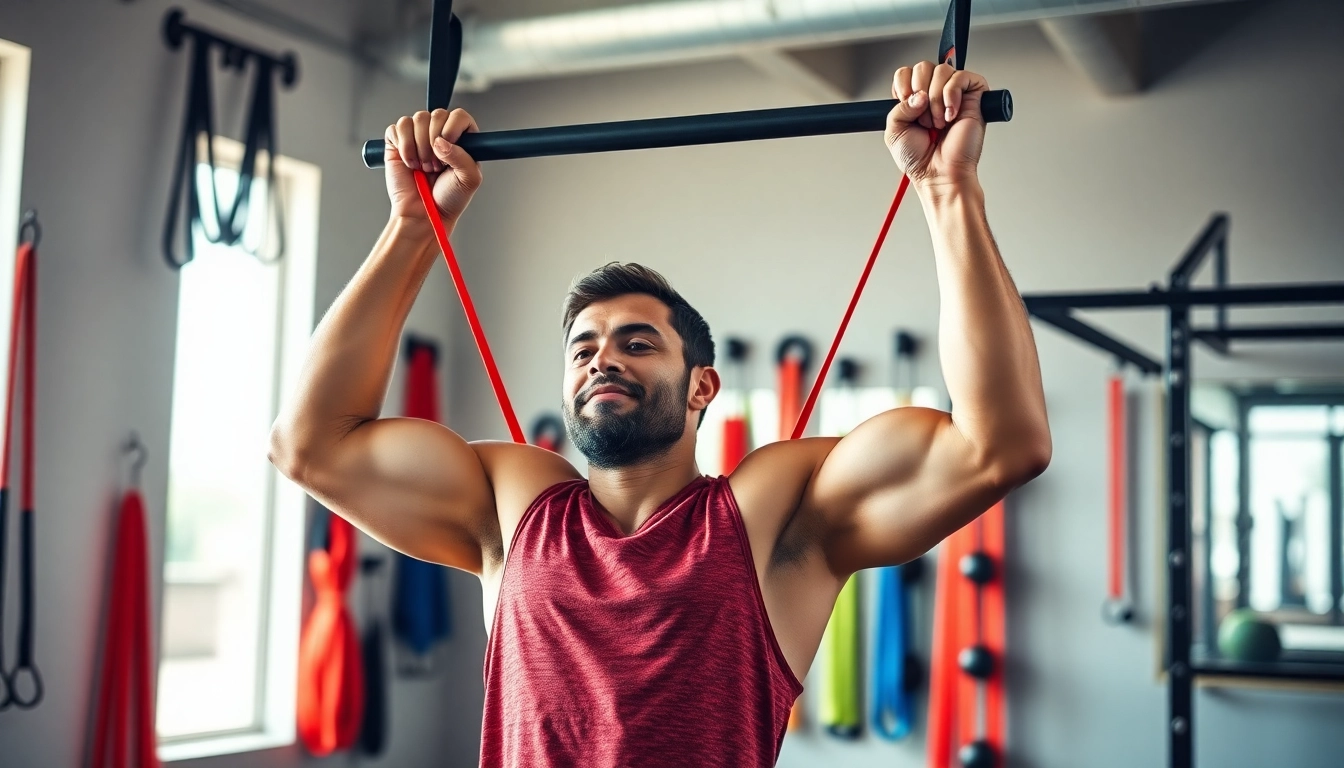
Understanding Pull-Up Assist Bands
In the pursuit of strength training and fitness, few exercises are as revered as the pull-up. However, for many, achieving that first rep can feel like an insurmountable challenge. This is where pull-up assist bands come into play, offering support and enabling individuals to gradually build strength. Let’s delve deeper into what pull-up assist bands are, how they function, the benefits they provide, and the best practices for using them effectively.
What are Pull-Up Assist Bands?
Pull-up assist bands are specially designed elastic bands that provide a helping hand to those who struggle with performing traditional pull-ups. These bands are available in various resistance levels, allowing users to select the amount of support according to their current strength and fitness goals. Typically made from durable rubber, they are versatile tools used not just for pull-ups but also for a wide array of bodyweight exercises.
How Do Pull-Up Assist Bands Work?
The mechanism behind pull-up assist bands is quite simple yet effective. When anchored to a pull-up bar, these bands create upward force, countering the gravitational pull on the user's body. As a result, individuals can perform pull-ups with a reduced amount of body weight, making the exercise more accessible. The assistance provided by these bands decreases as the band stretches, allowing for progressive resistance during the lift.
Benefits of Using Pull-Up Assist Bands
Pull-up assist bands offer a variety of advantages, which contribute to their growing popularity among fitness enthusiasts:
- Builds Strength Gradually: Bands allow beginners to perform assisted pull-ups, facilitating gradual strength gains over time.
- Enhances Technique: Users can focus on proper form while receiving support, which is crucial for mastering pull-up techniques.
- Versatile Usage: In addition to pull-ups, these bands can assist in exercises such as dips, chin-ups, and even rehabilitation workouts.
- Portability: Most pull-up assist bands are lightweight and compact, making them easy to carry for home workouts or gym sessions.
Choosing the Right Pull-Up Assist Band
When it comes to selecting the right pull-up assist band, various factors must be considered to ensure you find a band that meets your fitness needs and goals.
Types of Pull-Up Assist Bands and Their Resistance
Pull-up assist bands come in different types that vary in thickness and resistance levels. Here’s a breakdown of common types:
- Light Resistance Bands: Generally suitable for beginners, these bands assist with 8 to 15 pounds of body weight.
- Medium Resistance Bands: Ideal for those who can do a few pull-ups but require support, typically offering assistance for weights between 25 and 65 pounds.
- Heavy Resistance Bands: These bands cater to more advanced individuals looking to improve their pull-up performance with assistance for weights exceeding 65 pounds.
Factors to Consider When Buying Pull-Up Assist Bands
Selecting the ideal pull-up assist band involves assessing the following criteria:
- Resistance Level: Choose a band that matches your current strength level. It’s important to opt for a band that provides enough assistance without making the exercise too easy.
- Material Quality: Look for bands made from high-quality, durable materials that can withstand repeated use without degrading.
- Width and Length: Ensure the band’s width and length are sufficient for your grip and body size, providing comfortable use during workouts.
- Brand Reputation: Opt for well-reviewed brands to guarantee product reliability and effectiveness.
Top Brands for Quality and Performance
Several brands dominate the market for pull-up assist bands, each offering unique features. Notable mentions include:
- Rogue Fitness: Known for high-quality fitness products, Rogue's bands provide excellent durability and performance.
- WOD Nation: This brand specializes in resistance bands that cater to various fitness levels, making it a favorite among fitness enthusiasts.
- ProForm: Offers a range of affordable pull-up assist bands that still deliver reliable performance.
Best Practices for Using Pull-Up Assist Bands
To maximize the effectiveness of pull-up assist bands, employing the right techniques and avoiding common pitfalls is essential.
Proper Techniques for Assisted Pull-Ups
When performing assisted pull-ups with bands, focus on the following techniques:
- Correct Grip: Use an overhand grip with your hands shoulder-width apart to ensure optimal pulling motion.
- Engaged Core: Keep your core engaged throughout the movement to maintain body control and stability.
- Controlled Movement: Perform the pull-up in a slow, controlled manner, avoiding momentum to ensure muscle engagement.
Common Mistakes to Avoid When Using Bands
To prevent injuries and ineffective workouts, steer clear of these common mistakes:
- Relying Too Much on the Band: Gradually decrease assistance as you build strength rather than depending solely on the band.
- Poor Form: Neglecting proper form can lead to injuries; always prioritize technique over the number of repetitions.
- Incorrect Band Selection: Using a band that is too strong may hinder progress; choose a band that complements your current capabilities.
Integrating Pull-Up Assist Bands into Your Routine
To effectively utilize pull-up assist bands in your workout regimen:
- Warm-Up Properly: Always perform a dynamic warm-up to prepare your muscles for the workout.
- Incorporate Variety: Use bands for various exercises, including ring rows, dips, and assisted chin-ups, to diversify your training.
- Track Progress: Regularly assess your performance and gradually reduce band assistance as you build strength.
Advanced Exercises with Pull-Up Assist Bands
Beyond assisting pull-ups, these bands can be incorporated into a diverse range of exercises to enhance strength training.
Exploring Other Exercises Beyond Pull-Ups
Some effective exercises that can be performed with pull-up assist bands include:
- Dips: Use bands to assist in performing dips, targeting the chest and triceps.
- Squats: Squat variations using bands can help to improve technique and strength.
- Deadlifts: Incorporating bands in deadlifts can enhance resistance and strength building.
Combining Pull-Up Bands with Other Equipment
For a comprehensive workout, combine pull-up assist bands with other equipment:
- Kettlebells: Add kettlebell swings or goblet squats to your routine for increased intensity.
- Weight Plates: Use bands with weight plates for added resistance during bodyweight exercises.
- Crossover Bands: Incorporate crossover bands to target different muscle groups and enhance overall strength.
Progressing Your Strength Training with Pull-Up Bands
To ensure continued progress with pull-up bands:
- Vary Resistance: Regularly switch between bands to continually challenge your muscles.
- Implement Circuits: Create workout circuits incorporating bands and bodyweight exercises for increased intensity.
- Focus on Negatives: Practice the negative (lowering) phase of pull-ups to build strength effectively.
Future Trends in Fitness Equipment: Pull-Up Assist Bands
The landscape of fitness equipment is ever-evolving, and pull-up assist bands are expected to see notable innovations and trends in the coming years.
Innovations in Resistance Bands Technology
Advancements in material technology could lead to more durable, longer-lasting bands with improved elasticity, allowing for a broader range of resistance levels and applications.
Predictions for Pull-Up Training Strategies in 2026
By 2026, we may see a shift towards integrating smart technology with resistance bands, such as apps that measure strength progress and provide real-time feedback during workouts.
Emerging Brands and New Products to Watch
As the market for fitness products continues to grow, keep an eye on emerging brands that prioritize innovative designs and sustainable materials for pull-up assist bands, contributing to the eco-friendly fitness movement.