
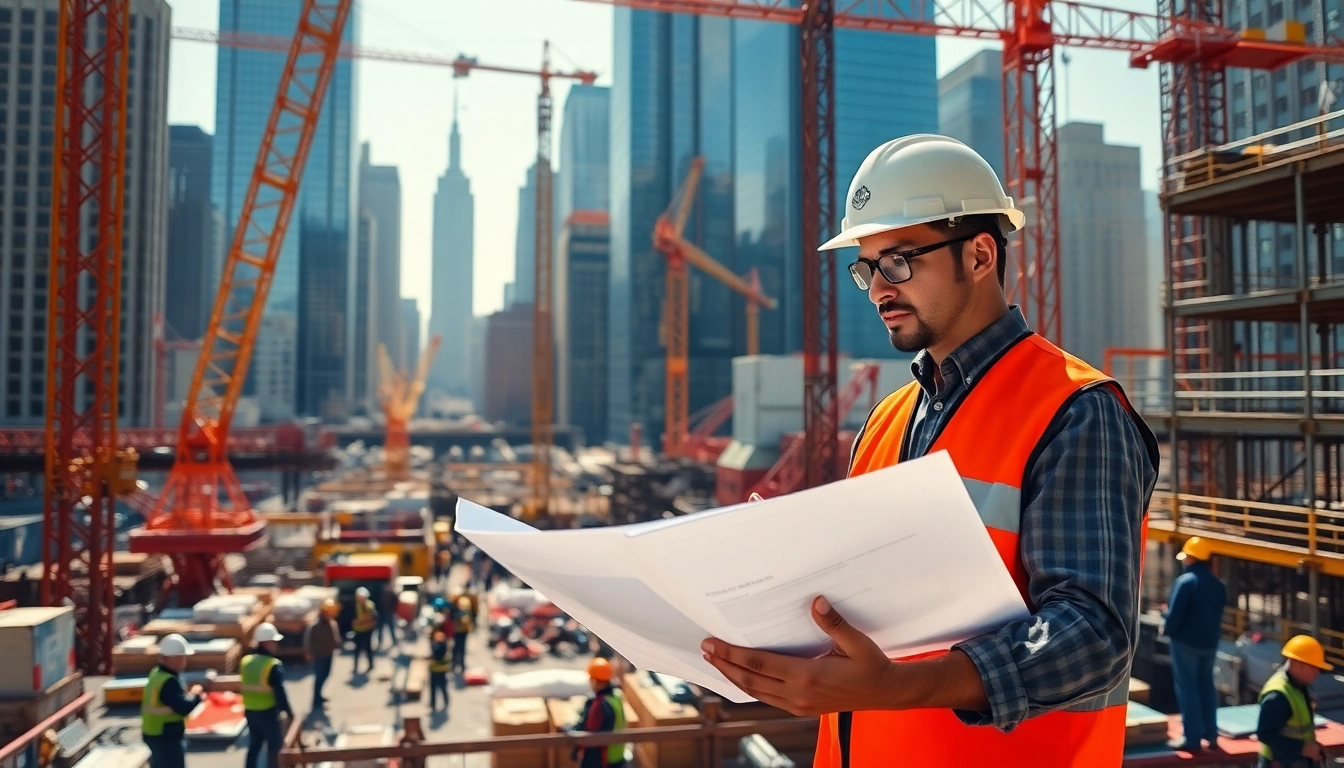
Understanding the Role of a New York City Construction Manager
The New York City Construction Manager plays a pivotal role in the intricate world of construction, particularly in a bustling urban environment like New York City. Their expertise not only ensures project efficiency but also upholds quality and safety standards during the building process. This article will delve into the various dimensions of the role, focusing on key responsibilities, essential skills, and the importance of construction managers in successful project execution.
Key Responsibilities
A New York City Construction Manager is entrusted with a myriad of responsibilities that collectively contribute to the successful completion of construction projects. These key responsibilities include:
- Project Planning and Coordination: Developing and overseeing project timelines, scheduling, and logistics, ensuring all aspects of the project align seamlessly.
- Budget Management: Establishing and managing project budgets, including estimating costs and tracking expenses to prevent overruns.
- Regulatory Compliance: Ensuring all construction activities adhere to local building codes, zoning laws, and safety regulations.
- Quality Assurance: Implementing and maintaining quality control measures throughout the project lifecycle, ensuring high construction standards.
- Team Leadership: Directing project teams, including subcontractors, laborers, and other stakeholders, to foster collaboration and resolve conflicts.
- Stakeholder Communication: Serving as the primary point of contact among clients, contractors, and regulatory bodies, facilitating clear and effective communication.
Skills Required
To fulfill these responsibilities effectively, a New York City Construction Manager must possess a unique set of skills, including:
- Technical Proficiency: Knowledge of construction methods, materials, and tools, as well as proficiency in architectural and engineering principles.
- Leadership and Management Skills: The ability to inspire and manage diverse teams, ensuring cooperative teamwork and productive environments.
- Problem Solving: Proficiency in identifying issues swiftly and developing practical solutions to overcome challenges during the construction process.
- Communication Skills: Excellent verbal and written communication abilities to convey plans, updates, and requirements clearly.
- Negotiation Skills: The capacity to negotiate contracts and agreements with various stakeholders, including suppliers and subcontractors.
Importance in Construction Projects
The role of a New York City Construction Manager is essential for several reasons. They are vital to maintaining project schedules and budgets, minimizing delays and unexpected costs. Their expertise contributes to elevated project quality, ensuring that the final product meets or exceeds client expectations. Additionally, they play a crucial role in fostering safety on the job site, significantly reducing the risk of workplace accidents. In an arena as complex and demanding as New York City, their contributions render them indispensable to the construction process.
Challenges Faced by New York City Construction Managers
Despite their critical importance, New York City Construction Managers face numerous challenges that can complicate project execution. Understanding these challenges is vital for developing effective strategies to overcome them.
Regulatory Compliance Issues
Navigating the myriad of regulations that govern construction in New York City can be daunting. Construction Managers must ensure compliance with local building codes, safety regulations, and environmental laws. Failure to do so can result in costly delays, fines, or even project shutdowns. Staying updated on changes in legislation and zoning requirements is essential for maintaining compliance.
Budgeting and Cost Control
With the high cost of construction in New York City, managing a budget effectively is one of the most significant challenges faced by Construction Managers. Cost escalations can occur due to delays, changes in project scope, or unexpected market fluctuations. Implementing rigorous financial oversight and contingency planning can mitigate these risks and help keep expenses in check.
Managing Labor and Resources
Labor shortages, skill mismatches, and resource allocation are ongoing challenges in the construction sector. A New York City Construction Manager must navigate workforce dynamics while ensuring that the project is adequately staffed and that resources are available and properly utilized. Building strong relationships with subcontractors and suppliers can alleviate some of these issues.
Best Practices for Effective Construction Management
To navigate the complexities of construction management successfully, it is essential to implement best practices that optimize performance and outcomes. Here are key strategies that can be adopted:
Planning and Scheduling Techniques
Effective planning sets the groundwork for project success. Utilizing project management software can streamline the scheduling process, allowing for better tracking of milestones and deadlines. Techniques such as Critical Path Method (CPM) can be employed to identify the essential tasks determining the project timeline, ensuring that all critical activities receive the attention they require.
Effective Communication Strategies
Clear communication is paramount in construction management. Establishing a communication protocol that includes regular meetings, updates, and feedback loops can facilitate collaboration among team members. Utilizing technology like project management apps can help keep everyone informed and accountable.
Quality Control Measures
Implementing stringent quality control measures is vital to ensuring that the construction meets the expected standards. Regular inspections, adherence to project specifications, and incorporating feedback from quality assurance inspectors can help maintain high standards throughout the building process.
Case Studies of Successful New York City Construction Projects
Learning from successful projects can provide valuable insights into effective construction management practices. Below are examples of iconic constructions in New York City that highlight innovative techniques and valuable lessons.
Iconic Structures Built in NYC
Projects like the One World Trade Center not only represent architectural excellence but also demonstrate the effective collaboration of skilled New York City Construction Managers. Integrating advanced technology with traditional architecture showcased efficiency in managing complex construction dynamics.
Innovative Construction Techniques
The Hudson Yards project has been heralded for its innovative construction techniques, including modular construction methods that expedite building processes and enhance quality control. These approaches allow for significant time savings and reduced waste on site.
Lessons Learned from Past Projects
Previous challenges faced during the construction of Grand Central Terminal, such as timing and urban logistics, have informed current practices. Construction Managers today are better equipped for similar challenges, emphasizing the importance of flexibility and adaptability in ever-evolving urban environments.
FAQs about New York City Construction Managers
What qualifications do I need to become a New York City Construction Manager?
Typically, a degree in construction management, civil engineering, or a related field is required. Additional certifications, such as OSHA training, enhance your qualifications.
How does a New York City Construction Manager handle project delays?
They assess the causes, implement corrective actions, and communicate transparently with stakeholders, often re-evaluating schedules and resources to mitigate impacts.
What software tools do New York City Construction Managers commonly use?
Commonly used tools include project management software like Primavera, Microsoft Project, and Building Information Modeling (BIM) software for planning and collaboration.
How important is safety in a New York City construction project?
Safety is paramount, as construction sites can be hazardous. Compliance with OSHA regulations and regular safety training for workers are essential for risk management.
What are the future trends in construction management in NYC?
Future trends include increased automation, sustainable construction practices, and the integration of smart technologies to enhance efficiency and reduce costs.