
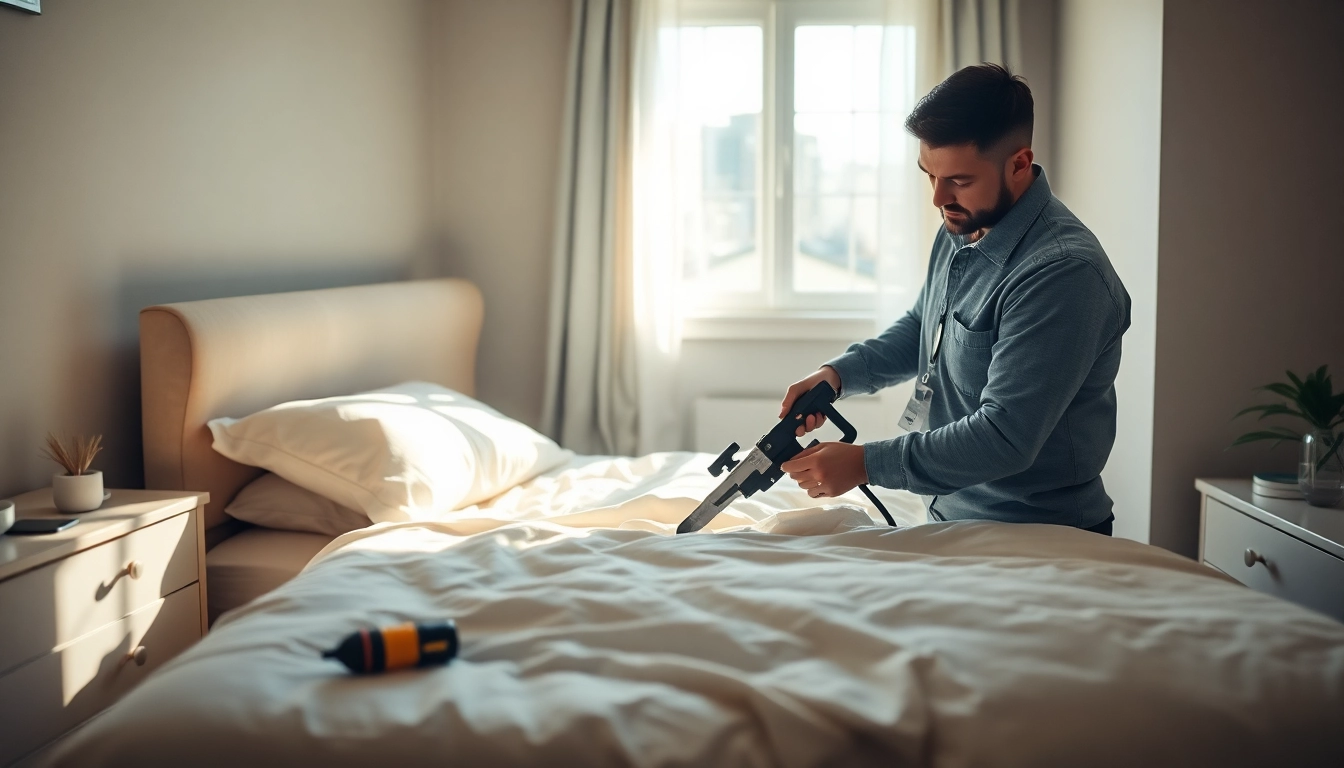
Understanding Bed Bug Control
Bed bugs are tiny, elusive pests that have become a significant concern for homeowners and renters alike. Their resurgence in various environments highlights the necessity for effective bed bug control methods. A comprehensive understanding of these pests can help individuals develop strategies for detection, treatment, and prevention.
What Are Bed Bugs?
Bed bugs, scientifically known as Cimex lectularius, are wingless insects that feed primarily on the blood of humans and other warm-blooded hosts. They are roughly the size of an apple seed, oval-shaped, and can be brown or reddish-brown. Infestations can occur in residential areas, hotels, and even public transportation—indicating how widespread these pests can be.
The Importance of Bed Bug Control
Controlling bed bugs is vital not just for comfort but also for health reasons. Bed bug bites can cause allergic reactions and secondary infections due to scratching. Moreover, the presence of bed bugs can lead to significant anxiety and discomfort. For this reason, effective bed bug control strategies are essential to maintain a healthy living environment.
Common Signs of Infestation
Noticing signs of a bed bug infestation can prevent a small problem from becoming a larger issue. Common indicators include:
- Visible bugs: Adult bed bugs are often seen in seams of mattresses, furniture cracks, and crevices.
- Bed bug bites: Itchy welts or red spots appear on the skin, typically in a line or cluster.
- Blood stains: Small, dark spots or streaks on sheets or after scratching may indicate feeding.
- Dark spots: Fecal matter from bed bugs leaves behind tiny, dark specks.
- Eggs and skins: Presence of small eggs or discarded skins in the area can signal an infestation.
Preventive Measures for Bed Bug Control
Tips for Homeowners
Homeowners can adopt a proactive approach to bed bug control. Here are effective tips:
- Inspect regularly: Check common hiding spots like mattresses, box springs, and under furniture.
- Use protective covers: Mattress and box spring encasements can help keep bed bugs from infesting.
- Eliminate clutter: Reducing clutter offers fewer hiding places for bed bugs in the home.
- Seal cracks: Caulking and sealing gaps can lessen potential entry points for these pests.
Travel Precautions
Travelers must be vigilant against bed bugs while away from home. Here are some precautionary measures:
- Inspect hotels: Before settling into accommodations, check for bed bugs in the mattress seams and furniture.
- Keep luggage elevated: Place bags on luggage racks away from the bed to avoid contact with potential pests.
- Wash clothes immediately: After returning home, putting clothes in the dryer on high heat can kill any pests.
Keeping Your Space Clutter-Free
A clutter-free environment not only promotes cleanliness but also assists in effective bed bug control. By minimizing overcrowded spaces in bedrooms and other common areas, bed bugs have fewer places to hide and breed.
DIY Bed Bug Control Methods
Safe Home Remedies
For those looking to address bed bug issues themselves, several home remedies can be effective:
- Vinegar: Applying vinegar to infested areas can repel bed bugs, although it doesn’t kill them.
- Essential oils: Oils such as tea tree or lavender oil are known for their insecticidal properties.
- Dish soap: A mixture of soap and water can trap and kill bed bugs on contact.
Using Heat for Effective Extermination
Heat treatment is a potent method for killing bed bugs at all life stages. Washing infested items in hot water, followed by drying them in a hot dryer for at least 30 minutes, can eliminate these pests. Professional services often utilize specialized equipment to raise temperatures in an entire room, ensuring thorough extermination.
Vacuuming Strategies for Bed Bug Control
Regular and thorough vacuuming can significantly reduce bed bug populations. Here are some strategies:
- Use a vacuum with a HEPA filter that can trap bed bugs and their eggs.
- Focus on seams, edges, and under furniture. Pay particular attention to hidden areas where bugs are likely to hide.
- Seal vacuum bags tightly and dispose of them outdoors after cleaning.
Professional Bed Bug Control Services
When to Call a Professional
While DIY methods can be effective, stubborn infestations often require expert intervention. It’s advisable to seek professional help when:
- Infestation spreads over substantial areas.
- Home remedies fail to show positive results.
- Health concerns arise due to bites or allergic reactions.
What to Expect from an Exterminator
Hiring a professional bed bug exterminator typically involves a thorough inspection, identification of infested areas, and the implementation of a comprehensive treatment plan. Professionals employ multiple methods—chemical and non-chemical—to ensure efficient bed bug control.
Cost Factors for Bed Bug Control Services
Understanding the cost of professional services is crucial. Factors influencing pricing include:
- Infestation size: Larger areas or multiple rooms increase treatment costs.
- Type of treatment: Heat treatments tend to be more expensive than traditional pesticides.
- Geographical location: Prices can vary widely based on local market rates.
Long-term Bed Bug Control Maintenance
Establishing Regular Inspections
Consistent inspections are necessary for detecting early signs of bed bug presence. Scheduling regular check-ups ensures that any returning pests are dealt with promptly before a larger infestation can develop.
Continuous Monitoring Strategies
Installing bed bug monitors can assist in ongoing surveillance. These monitors can catch bed bugs early, making it easier to intervene before the situation escalates further.
Effective Communication with Professionals
Maintaining open lines of communication with pest control professionals is vital. Discussing experiences, monitoring results, and adjusting strategies can lead to a sustainable approach to bed bug management.
FAQs About Bed Bug Control
How do I know if I have a bed bug infestation?
Check for bites, blood stains on sheets, and see if you can spot live bugs or their droppings in common hiding areas.
Can I kill bed bugs with heat?
Yes, exposing bed bugs to high temperatures (above 120°F) can kill them at all life stages, making heat treatment effective.
What do I do if my neighbor has bed bugs?
Inform your neighbors and consider preventive measures, such as sealing cracks and inspecting your home regularly.
Are there eco-friendly solutions for bed bug control?
Yes, options like essential oils and diatomaceous earth can provide effective, environmentally friendly bed bug control.
How fast can professional extermination get rid of bed bugs?
Treatment results can vary, but most infestations can be managed within a few weeks, depending on the severity of the problem.