
Introduction to THCA
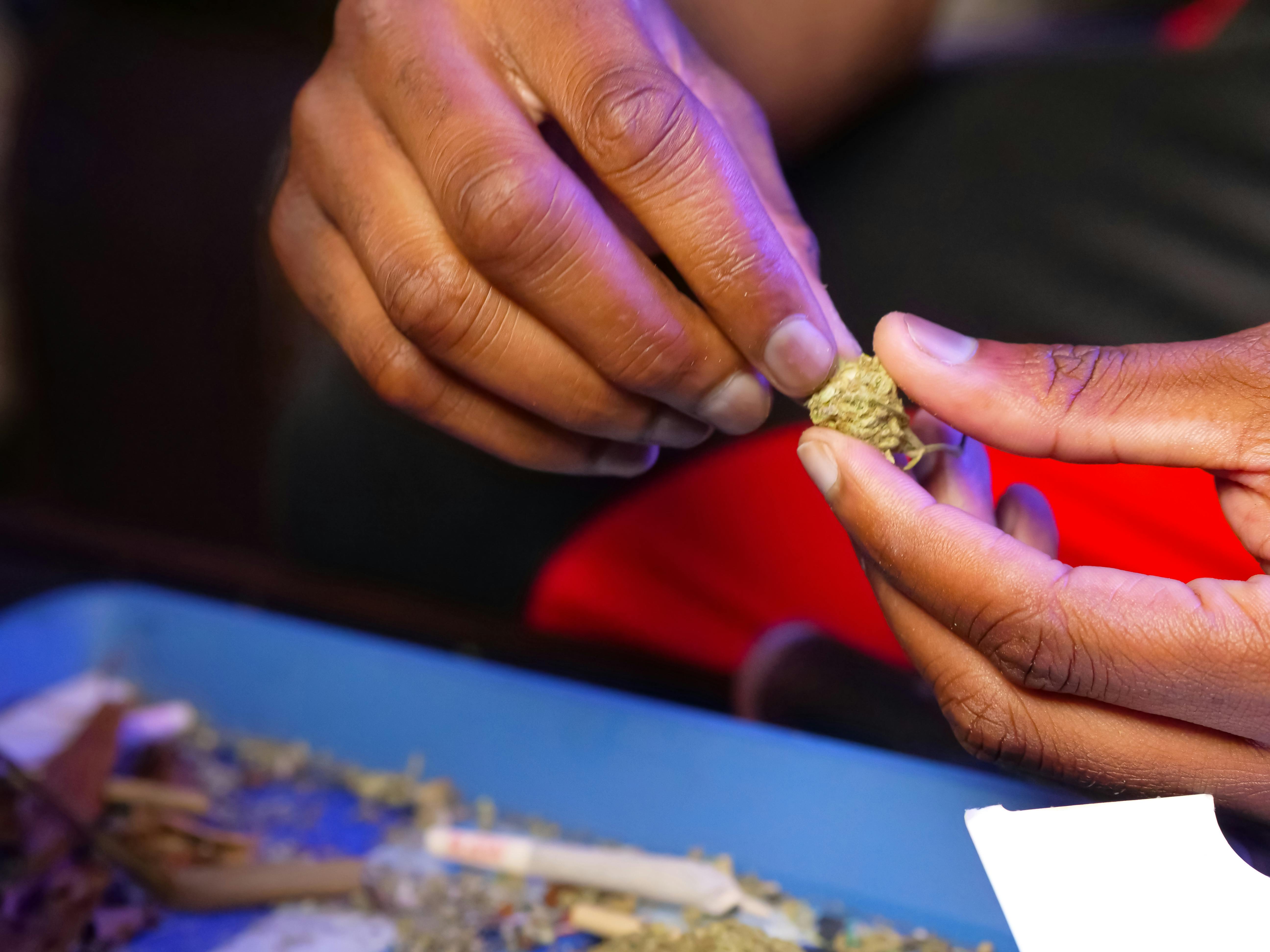
THCA is a naturally occurring cannabinoid found in raw cannabis plants. Unlike THC, THCA is non-intoxicating and does not produce a “high” when consumed in its raw form. This makes THCA an appealing option for individuals seeking the benefits of cannabis without psychoactive effects. Understanding THCA is essential for both consumers and researchers as the interest in cannabis science grows and the market for cannabinoid products expands.
Chemical Differences Between THCA and THC
The primary difference between THCA and THC lies in their chemical structure. THCA contains an extra carboxyl group that prevents it from binding effectively to the brain’s CB1 receptors. When exposed to heat through smoking, vaping, or cooking, THCA undergoes decarboxylation, converting it into THC, the compound responsible for the psychoactive effects of cannabis. Recognizing this distinction helps consumers choose the right product based on their desired experience.
Potential Health Benefits of THCA
THCA has attracted attention for its potential therapeutic properties. Preliminary studies suggest that THCA may have anti-inflammatory, neuroprotective, and antioxidant effects. While research is still in its early stages, many users report experiencing wellness benefits from raw or unheated cannabis products containing THCA. Because it is non-intoxicating, THCA allows individuals to explore cannabis-based health options without impairing cognitive function or daily activities.
Common Uses of THCA
Consumers use THCA in a variety of ways. Raw cannabis leaves and flowers high in THCA can be incorporated into smoothies, juices, or salads. THCA concentrates and tinctures are also available, offering measured doses for precise use. Many wellness-focused individuals prefer THCA products because they provide potential health benefits without the psychoactive effects of THC. As the cannabis industry evolves, THCA has become a recognizable and versatile option in modern wellness routines.
THCA and Legal Considerations
The legal status of THCA varies depending on jurisdiction. In many regions, laws focus on delta-9 THC content, which affects how THCA products are regulated. Since THCA can convert to THC when heated, authorities may consider total potential THC levels when evaluating legality. Consumers must stay informed about local regulations to ensure compliance, especially when purchasing raw or unprocessed cannabis products containing THCA. Understanding these nuances is crucial for responsible use and legal safety.
Consumer Awareness and Safety
Before using THCA products, it is important for consumers to check lab reports and product labeling. Testing ensures accurate cannabinoid content and confirms that products meet regulatory standards. Additionally, users should understand how heat can transform THCA into THC, altering effects unexpectedly. Starting with small amounts and gradually adjusting can help individuals gauge personal tolerance and response safely.
Conclusion
THCA represents a unique and valuable component of the cannabis plant, offering non-intoxicating potential and a growing role in wellness and research. By understanding its differences from THC, its possible health benefits, and legal considerations, consumers can make informed decisions. As interest in cannabinoids continues to rise, THCA remains a key focus for those seeking both safety and versatility in cannabis-based products.